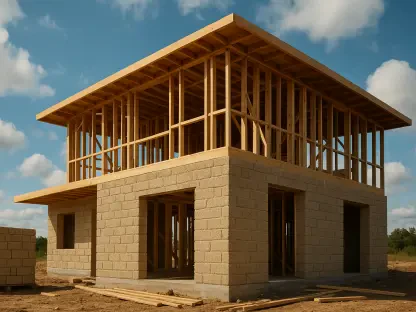

Standing at the threshold of a second century, O&G Industries represents the enduring strength of the American construction sector through its evolution from a modest 1923 startup into a premier national contractor with nearly a billion dollars in annual revenue. Based in Torrington, Connecticut, the company has managed a rare feat in the modern corporate world by successfully navigating shifting economic landscapes, global crises, and technological revolutions while maintaining its status as a dominant force in transportation, healthcare, and education infrastructure. This longevity is not merely a product of survival but a result of deliberate, strategic expansion that transformed a local masonry supply business into a diversified heavy civil and building powerhouse. The firm’s current position as a top-tier contractor underscores its ability to integrate traditional values with the high-stakes demands of modern engineering. As the construction industry faces unprecedented challenges, including supply chain volatility and labor scarcity, the history of this organization serves as a blueprint for resilience and adaptability. By anchoring its growth in regional commitment while pursuing national-scale projects, the company demonstrates how deep-rooted local expertise can be scaled into a formidable competitive advantage. This century-long narrative is defined by a consistent push toward excellence, ensuring that the infrastructure supporting modern society remains both functional and sustainable for generations to come.
Multi-Generational Leadership and Strategic Agility
The firm is currently managed by its fourth generation of family leadership, a transition that effectively blends a century of tradition with aggressive modern business tactics. This unique organizational structure ensures that the company remains stable and predictable in its core values while staying remarkably open to disruptive ideas and new operational methodologies. In an era where corporate turnover and rapid-fire acquisitions often dilute company culture, maintaining family members in key management roles preserves a sense of continuity that resonates with both long-term employees and new talent entering the field. This leadership model allows for a long-term perspective on investment and growth, favoring sustainable health over short-term quarterly gains. The presence of the fourth generation in the executive suite acts as a bridge, connecting the firm’s historic reputation for reliability with a forward-looking vision that anticipates the needs of a changing construction landscape. By prioritizing a culture of internal promotion and family-style accountability, the leadership has fostered an environment where institutional knowledge is passed down organically rather than lost during management shifts.
A distinctive feature of the company’s sustained success is its hands-on executive approach, where senior leadership remains deeply involved in daily operations such as bidding and labor staffing. This level of granular oversight allows the firm to pivot quickly toward emerging markets, such as renewable energy and power infrastructure, without the bureaucratic delays common in larger, more disconnected corporations. By leveraging internal expertise to meet the specific needs of building clients, the management team ensures the company stays ahead of broader industry trends rather than merely reacting to them. This agility is particularly evident in how the firm reallocates resources between heavy civil projects and vertical building construction based on market demand. Such flexibility is a hallmark of their strategic planning, allowing them to maintain a massive workforce even when certain sectors of the economy experience downturns. This operational model not only protects the bottom line but also reinforces the firm’s reputation as a reliable partner capable of delivering complex, multi-faceted projects on tight schedules.
Prioritizing Workforce Wellbeing and Retention
Beyond physical safety, the firm has taken a proactive stance on mental health, breaking long-standing industry stigmas to provide meaningful support for its workforce. By partnering with unions and bringing mental health discussions directly to jobsites, the company fosters an environment where workers feel valued as individuals rather than just units of production. This holistic approach to safety is treated as a critical performance driver, ensuring high morale and better execution across all projects under the firm’s management. Executives recognized early on that a healthy mind is just as important as a hard hat, leading to the implementation of comprehensive support programs that address stress, burnout, and substance abuse. This initiative has not only improved the quality of life for thousands of employees but has also resulted in a more focused and efficient workforce. By normalizing these conversations in a traditionally rugged industry, the firm has set a new standard for corporate responsibility that goes far beyond basic regulatory compliance. This culture of care serves as a powerful recruiting tool, signaling to prospective employees that their personal wellbeing is a top priority for the organization.
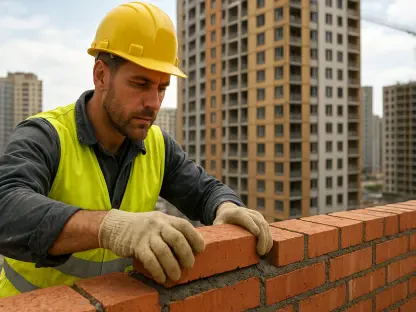
To combat the ongoing skilled labor shortage, the firm relies on a family-oriented culture and competitive benefits to maintain impressively low turnover rates across all departments. While much of the construction industry currently struggles with an aging workforce and a lack of incoming talent, this organization focuses on the intrinsic value of skilled trades and the significant return on investment of specialized careers. By positioning itself as a stable and rewarding employer, the firm successfully attracts a new generation of professionals who are looking for long-term career paths rather than temporary jobs. The company invests heavily in apprenticeship programs and continuous training, ensuring that its employees are equipped with the latest skills and technological competencies. This commitment to professional development creates a sense of loyalty and ownership among the staff, which in turn leads to higher quality craftsmanship on the jobsite. Furthermore, the organization’s focus on the trades highlights the dignity of manual labor, effectively re-branding construction as a high-tech, high-reward industry for the modern era. This strategic focus on human capital is perhaps the firm’s most significant defense against the volatility of the global labor market.
Innovation in Preconstruction and Sustainability
In an increasingly volatile market, the firm utilizes a disciplined preconstruction process to protect project schedules and manage the rising costs of raw materials. Through aggressive value engineering and the early procurement of long-lead items, the teams mitigate financial risks before they ever have the chance to impact the project’s bottom line. This strategic foresight allows for superior market intelligence and ensures that clients receive the best possible performance without the burden of unnecessary financial strain during the construction phase. By involving project managers and estimators at the earliest stages of design, the company can identify potential bottlenecks and propose more efficient alternatives that save time and money. This meticulous planning phase is crucial for large-scale municipal and private developments where budgets are tight and public scrutiny is high. The firm’s ability to provide accurate cost forecasting and risk assessments has made them a preferred partner for complex projects that require a high degree of transparency and accountability. This emphasis on preconstruction excellence transforms the traditional builder-client relationship into a collaborative partnership focused on long-term project viability.
Environmental responsibility is integrated into the core business model, specifically through the use of low-carbon materials and the execution of high-impact renewable energy projects. The company leads the way in sustainable concrete production and has completed several landmark net-zero buildings, demonstrating that green initiatives are both ecologically necessary and financially profitable. From solar-powered quarries that offset energy consumption to large-scale recycling operations that repurpose construction waste, the firm sets a high standard for ecological stewardship in heavy industry. This commitment to sustainability is not a marketing gimmick but a fundamental shift in how the company approaches resource management and site development. By investing in cleaner technology and more efficient manufacturing processes, the firm reduces its carbon footprint while providing clients with infrastructure that meets the highest environmental standards. These efforts align with global trends toward decarbonization and position the company as a leader in the transition to a more sustainable built environment. This focus on green innovation ensures that the company remains competitive as environmental regulations become more stringent and client demand for sustainable building solutions continues to rise.
Driving Regional Progress Through Landmark Projects
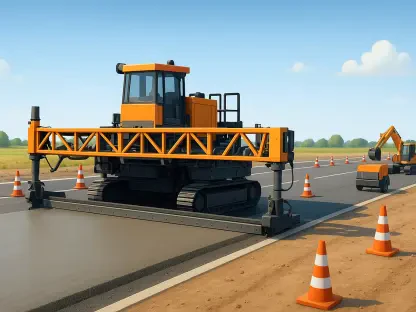
The firm’s technical expertise is currently on display through several massive infrastructure projects, including a major bridge replacement valued at over one billion dollars and significant highway interchange upgrades. These high-profile civil works are vital for regional mobility and long-term economic resilience, reinforcing the company’s reputation for handling the most complex engineering challenges in the country. Such projects serve as the backbone of the firm’s diverse portfolio, ensuring a steady stream of high-impact work that benefits the public at large. The sheer scale of these operations requires a sophisticated level of logistics, project management, and interdisciplinary coordination that few other contractors can match. By successfully delivering these critical assets, the company proves its ability to manage the intersection of heavy machinery, public policy, and environmental constraints. These projects often involve working in densely populated areas or sensitive ecological zones, requiring a level of precision and community engagement that has become a hallmark of the firm’s operational philosophy. The successful completion of these landmarks not only improves the daily lives of millions of commuters but also cements the firm’s legacy as a builder of the American landscape.
Looking toward the future, the company intends to expand its reach into the defense and healthcare sectors while maintaining its strong roots in municipal and commercial construction. Corporate philanthropy remains a key pillar of its operations, with employee-driven initiatives giving back millions to local communities through charitable donations and volunteerism. This combination of market expansion and social responsibility ensures that the firm will remain a leader in the global landscape as it embarks on its second century of operation. The move into defense and healthcare represents a strategic diversification that hedges against economic cycles while allowing the firm to apply its technical rigor to high-stakes environments. By supporting local schools, hospitals, and non-profits, the company builds a reservoir of goodwill that strengthens its ties to the regions where it operates. This holistic approach to business—where profit is balanced with purpose—ensures that the firm’s influence extends far beyond the physical structures it builds. As the organization evolves, it continues to prove that a large-scale contractor can operate with the heart of a local business, provided it never loses sight of the people and communities it serves.
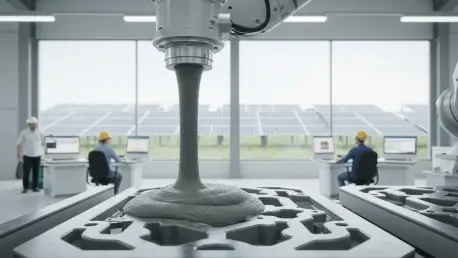
Industry leaders concluded that the path forward for the construction sector required a fundamental shift toward the integration of predictive analytics and site-specific automation to maintain project momentum. They recognized that the most effective way to secure a second century of prosperity involved the aggressive adoption of digital twins and real-time data monitoring to eliminate inefficiencies before they manifested on the jobsite. Decision-makers determined that the traditional silos between design and execution had to be dismantled in favor of a unified project delivery model that prioritized transparency and shared risk. This strategic pivot emphasized the importance of fostering a culture of continuous learning, where the workforce was empowered to experiment with new technologies such as autonomous heavy equipment and advanced modular assembly. By investing in these forward-looking solutions, the firm ensured it was prepared to meet the increasingly complex demands of global infrastructure while maintaining the high standards of quality that defined its first hundred years. The successful implementation of these next steps provided a clear roadmap for other organizations seeking to balance historical legacy with the technical requirements of a modern, data-driven world. Stakeholders shifted their focus to creating resilient systems that could withstand both economic fluctuations and the physical impacts of a changing climate, thereby safeguarding the company’s future for the next generation of leadership.