
The federal government of Nigeria has officially unveiled a comprehensive Climate-Smart Building Code, marking a transformative shift in the nation’s architectural landscape toward long-term sustainability and climate resilience. This legislative move represents a departure from traditional construction oversight, which historically focused almost exclusively on structural stability without considering the broader ecological footprint of urban development. By establishing these rigorous new standards, the government intends to align domestic housing and commercial infrastructure with international environmental benchmarks while preparing for the escalating challenges of extreme weather events. The regulatory framework is designed to govern how residential homes, corporate offices, and sprawling public buildings are designed, constructed, and managed. This transition makes environmental performance a mandatory requirement for all new projects, aiming to drastically lower the national carbon footprint while providing a clear roadmap for urban growth.
Strengthening Urban Resilience: The Path to Sustainable Design
A central objective of this new regulatory initiative is the cultivation of resilience against severe environmental shocks, including flash floods, coastal erosion, and persistent heatwaves that have become more frequent. By emphasizing sustainable design, the code ensures that modern structures can withstand these localized threats while simultaneously contributing to the reduction of overall greenhouse gas emissions. This strategic focus also facilitates improved resource management, making individual buildings and entire neighborhoods significantly less dependent on an overburdened national power grid during periods of peak demand. Urban planners and climate experts have reached a consensus that the nation’s former construction habits are no longer viable in the face of rapid population growth and shifting weather patterns. The implementation of this code serves as a defensive wall against the rising costs associated with disaster recovery and the inherent inefficiencies of outdated methods.
Historically, the rapid expansion of cities has led to disorganized urban sprawl in areas that remain highly vulnerable to seasonal flooding and soil degradation, creating a cycle of economic loss. The intentional shift toward green urbanization is designed to protect the national economy from the financial burden of rebuilding fragile infrastructure after every major storm or environmental event. By mandating the use of materials with better thermal performance, the code addresses the high energy requirements of cooling buildings in tropical climates, which has traditionally relied on carbon-heavy technologies. This approach also encourages developers to consider the long-term ecological impact of their site choices, discouraging construction in sensitive wetlands or high-risk zones. The integration of environmental data into the planning phase allows for a more scientific approach to city building, ensuring that the expansion of the built environment does not come at the expense of safety.
Engineering Efficiency: Standards for a Greener Future
The technical architecture of the code rests upon several pillars, with a primary focus on maximizing energy efficiency and ensuring robust water conservation across all sectors. It incentivizes the adoption of passive cooling techniques, such as natural ventilation and strategic shading, alongside the installation of high-performance insulation and low-energy lighting systems. These measures are expected to significantly reduce monthly utility expenses for occupants, providing direct financial relief to households and businesses while lowering the total demand on the energy sector. To combat the growing challenge of water scarcity, the framework requires the installation of water-saving fixtures and encourages the integration of sophisticated systems for harvesting rainwater. In addition to these measures, the recycling of greywater for non-potable uses is presented as a standard practice for large-scale developments, ensuring that every drop of water is utilized to its maximum potential.
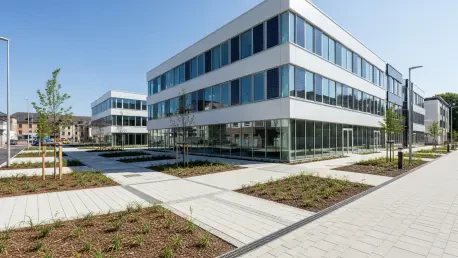
Material selection and site planning represent other critical components of these newly established construction standards, with a preference for materials that offer durability and low environmental impact. The code promotes the use of locally sourced, sustainable materials that require less energy to produce and transport, thereby supporting the domestic manufacturing sector while cutting down on logistical emissions. Stricter regulations regarding drainage systems and site preparation will ensure that new developments do not exacerbate local flooding issues by creating impermeable surfaces that increase water runoff. Developers must now demonstrate that their projects incorporate permeable paving and integrated landscape designs that allow for natural water absorption and groundwater recharge. By focusing on the entire lifecycle of a building, from the initial excavation to eventual decommissioning, the code provides a holistic view of how infrastructure should interact with the surrounding natural environment.
Socioeconomic Impact: Market Transformation and Global Alignment
While architects, engineers, and contractors will need to undergo a period of adaptation to comply with these regulations, the long-term economic outlook for the Nigerian real estate sector remains very positive. Climate-smart buildings generally command higher market values and benefit from lower operational and maintenance costs over time, which safeguards the financial interests of homeowners and institutional investors. This regulatory clarity is also expected to act as a significant magnet for international capital, as global investors increasingly seek out environmentally and socially responsible projects to diversify their portfolios. By providing a stable and predictable legal framework for sustainable development, the government is boosting confidence in the domestic real estate market. The transition toward a greener built environment is not merely an environmental necessity but a strategic economic move that positions the nation as a competitive destination for green finance.
Beyond the immediate financial benefits, the new building code promises a tangible improvement in the quality of life and safety for the average citizen living in rapidly growing urban centers. By aligning national construction standards with global agreements like the Paris Accord, the nation is asserting its leadership in African sustainable development and securing better access to international climate funds. This global alignment ensures that local projects can benefit from the latest technological innovations and best practices developed in other regions facing similar climate risks. The success of this initiative will ultimately depend on a concerted effort to train the local workforce in the use of green technologies and the principles of sustainable engineering. Prioritizing ecological health over short-term physical expansion creates a foundation for a society that can thrive despite the challenges posed by a changing global climate, ensuring a safer future.
Strategic Implementation: Future Directions and Actionable Steps
The adoption of the Climate-Smart Building Code established a definitive path for the modernization of the national infrastructure through actionable policy shifts and industry-wide collaboration. Stakeholders within the construction value chain moved toward a model where ecological performance was treated as a fundamental engineering requirement rather than an optional feature. Educational institutions and professional bodies recalibrated their curricula and certification programs to ensure that the next generation of builders possessed the specialized skills required for green construction. This proactive stance allowed the nation to mitigate the risks associated with urban heat islands and urban flooding through smarter site planning and innovative drainage solutions. Furthermore, the government facilitated the creation of financial incentives that rewarded developers for exceeding the minimum standards of the new code, driving a competitive race toward sustainability. These collective efforts secured a more resilient built environment that balanced rapid development with the preservation of natural resources.