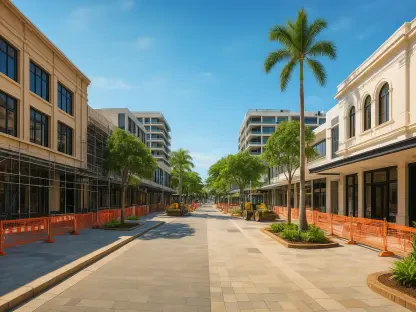

Landlords who join the new deposit trust system will receive monthly income from state-guaranteed investments, providing a steady return of four to five percent on managed funds. This initiative marks a seismic shift in the South Korean real estate landscape, which has historically relied on the idiosyncratic Jeonse system where tenants provide massive interest-free loans to homeowners. As the nation grapples with a persistent demographic crunch and high household debt in 2026, the government is introducing a comprehensive 20-year blueprint designed to professionalize the rental sector. By incentivizing institutional investors to enter a market previously dominated by individual landlords, the administration aims to stabilize housing costs and eliminate the recurring threat of deposit fraud. This strategic pivot represents a departure from short-term fixes, focusing instead on building a resilient infrastructure that prioritizes tenant security and long-term urban sustainability for millions of city dwellers.
Transforming the Corporate Rental Landscape
Rise of Institutional Management: Professionalizing Domestic Housing
Institutional involvement in the residential market is being catalyzed through significant tax exemptions and relaxed zoning laws specifically designed for long-term rental developments. Large financial institutions, including major insurance companies and pension funds, are now encouraged to diversify their portfolios by investing in the construction and management of massive apartment complexes. Unlike the fragmented nature of individual ownership, corporate landlords offer a standardized level of service, including professional property management and transparent fee structures that mitigate disputes. This institutionalization is expected to stabilize the supply of rental units across major urban corridors, ensuring that market volatility does not lead to sudden spikes in housing costs for vulnerable populations. By creating a commercialized rental industry, the government seeks to replicate the success seen in North American multi-family housing models, adapting those frameworks to the unique sociocultural demands of the South Korean urban environment.
Regulatory Overhaul: Protecting the Rights of Modern Tenants
To support the longevity of these rental agreements, the legislative framework has been overhauled to provide tenants with unprecedented protections against arbitrary eviction and unfair rent hikes. The new regulations stipulate that for the duration of the 20-year contract, rent increases are strictly capped at a rate tied to the national inflation index, preventing the pricing-out of long-term residents. This provides a level of financial predictability that allows households to plan for their futures, including education and retirement, without the looming threat of moving every two years. Additionally, the government has established a specialized arbitration board to resolve conflicts between corporate landlords and tenants, ensuring that legal recourse is both accessible and efficient. These protections are essential for shifting the public perception of renting from a temporary stage of life to a viable, long-term housing solution. By codifying these rights into law, the state is effectively de-risking the rental experience for millions.
Financial Stability and Urban Integration
Mitigation of Financial Risks: Securing the Jeonse Replacement
One of the most significant innovations in the strategy is the creation of a national deposit insurance fund that serves as a secondary layer of protection for all institutional rental agreements. This fund is capitalized through a combination of corporate contributions and state grants, ensuring that even in the unlikely event of a corporate insolvency, tenant deposits remain fully recoverable. This mechanism effectively neuters the greatest fear associated with the old Jeonse system, where a drop in property values could leave tenants without their life savings. The introduction of this fund has already boosted consumer confidence, leading to a steady increase in the number of households opting for professional rental arrangements over traditional private leases. Moreover, the fund’s assets are invested in low-risk infrastructure projects, creating a virtuous cycle where housing deposits help finance the very transportation and utility upgrades that increase property values.
Strategic Urban Planning: Developing High-Density Living Hubs
The physical manifestation of this 20-year strategy is visible in the rapid development of high-density housing hubs integrated with the Great Train eXpress network. These hubs are designed to be compact cities where residents can access work, education, and healthcare within a short walk or transit ride from their front doors. The current urban planning guidelines prioritize mixed-use developments that blend residential towers with commercial spaces and green zones, reducing the reliance on long commutes and enhancing urban livability. By concentrating population growth around these high-capacity transit nodes, the government is also addressing the environmental impact of urban sprawl. These developments are not just about providing shelter; they are about creating vibrant ecosystems that can adapt to the changing needs of a modern workforce. The focus on density and connectivity ensures that the housing supply is situated where demand is highest, preventing the mismatch between location and utility.
The implementation of this 20-year strategy represented a pivotal moment in the nation’s history, as the state successfully moved to decouple housing from high-risk speculative cycles. By establishing a robust framework for corporate participation and institutional accountability, the government provided a clear path toward a more stable and predictable residential market. The transition away from the traditional Jeonse system was supported by a sophisticated array of financial protections and tax incentives that reconciled the interests of landlords and tenants alike. As urban centers became more integrated with advanced transportation networks, the quality of life for millions of residents improved significantly under the new professional management standards. These changes demonstrated that with comprehensive planning and technological integration, it was possible to transform a volatile real estate market into a secure foundation for national growth. Moving forward, the focus shifted toward expanding these models to secondary cities to ensure regional balance and oversight.