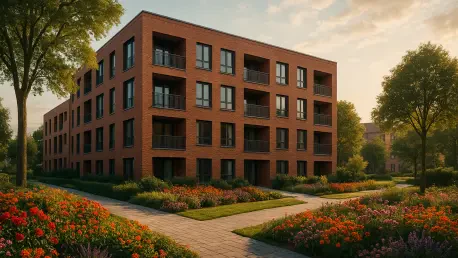

The newly formed partnership with Robertson Group, Caddick Construction, and Esh Group aims to address the critical shortage of affordable care-based accommodations in the North East. This initiative centers on a massive £208 million strategic framework designed to fast-track the development of extra care facilities and supported housing solutions across both Yorkshire and the North East. By establishing this multi-supplier agreement, Karbon Homes is effectively streamlining the procurement process for large-scale residential projects that typically provide between 80 and 150 specialized apartments. This approach ensures that the organization can respond quickly to the evolving needs of residents while maintaining high standards of construction and design. The framework represents a departure from traditional bidding methods, favoring long-term stability and collaboration with industry leaders who understand the complexities of specialized housing. Such a substantial financial commitment underscores a dedication to social infrastructure.
Strategic Synergy: Regional Economic Growth
The selection of Robertson Group, Caddick Construction, and Esh Group reflects a deliberate preference for partners who have demonstrated expertise in managing high-value and complex residential developments. Robertson Group has already made significant strides by managing major schemes in South Tyneside, where they prioritize a model known as community wealth building. This strategy is essential because it ensures that the economic benefits generated by these massive construction projects remain within the local community through the creation of new jobs and vocational training opportunities. Similarly, Esh Group brings a wealth of experience in collaborative delivery, focusing heavily on generating social value. By integrating employment opportunities directly into the construction phase, these firms help foster a sense of local ownership and long-term economic stability. This partnership model ensures that every pound spent on building homes also serves as an investment in the people living near these sites.
Moving beyond the immediate physical construction, this strategic framework operates as a vital engine for economic stewardship throughout Northern England. By moving away from one-off bidding cycles, the agreement allows for a more cohesive planning phase that significantly reduces the legal and financial hurdles typically associated with large-scale developments. This increased efficiency means that projects can break ground much faster, providing a steady pipeline of work for regional supply chains and specialized contractors. The stability offered by a five-year contract, which includes the possibility of a two-year extension, encourages these construction firms to invest more deeply in their workforce and local infrastructure. This long-term outlook is crucial for building a resilient construction sector that can weather economic fluctuations while continuing to deliver essential social housing. Ultimately, the framework acts as a bridge between high-level financial planning and the practical reality of improving community standards.
Specialized Living: Sustainable Implementation
The primary motivation for this extensive investment is the rapidly shifting demographic landscape of the United Kingdom, which has seen an escalating demand for the extra care housing model. This specific type of accommodation is unique because it blends the benefits of independent living with the security of on-site, tailored support services. Residents are able to maintain their personal autonomy within private, self-contained apartments while having immediate access to professional care if their needs change over time. This approach is increasingly favored by aging populations who wish to avoid the institutional feel of traditional nursing homes while still prioritizing their safety and well-being. By focusing on this model, Karbon Homes is providing a proactive solution that empowers individuals to stay in their own homes longer. This strategy not only improves the quality of life for the elderly and those with specific support needs but also creates more balanced and diverse residential communities.
The operational timeline for these projects moved forward with significant progress, especially for facilities in Hebburn and South Shields targeted for completion in late 2027. These developments, consisting of 95 and 124 apartments respectively, represent a significant portion of the total housing target and provide immediate relief to the local care system. Additionally, a specialized project in Morpeth, Northumberland, has successfully delivered new units in coordination with local government authorities. These milestones demonstrate the framework’s ability to deliver results across different geographic areas, from coastal towns to rural market centers. The ongoing success of these sites serves as a proof of concept for the wider framework, illustrating how coordinated planning and professional execution lead to the timely delivery of complex social infrastructure. This geographic diversity ensures that the benefits of the investment are felt throughout the region, addressing specific local needs while contributing to a broader regional strategy.
The establishment of this strategic framework provided a definitive roadmap for addressing the housing challenges faced by the North East and Yorkshire. By securing multi-year agreements with experienced contractors, the initiative stabilized the development pipeline and ensured that social responsibility remained a core component of every construction phase. Moving forward, the focus should transition toward integrating these specialized housing hubs into the wider healthcare ecosystem to maximize their impact on resident wellness. Future strategies would benefit from exploring how digital health technologies can be further embedded to support remote monitoring and preventative care. Stakeholders should also consider expanding this collaborative model to include small and medium-sized enterprises to further diversify the regional supply chain. The proactive measures taken during this phase established a new benchmark for creating lasting social value and sustainable urban environments for the community.