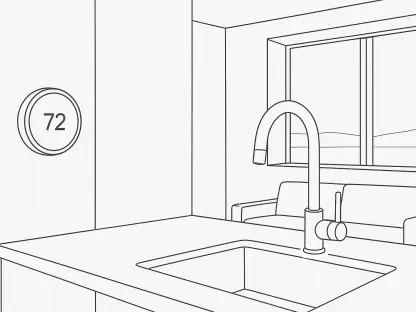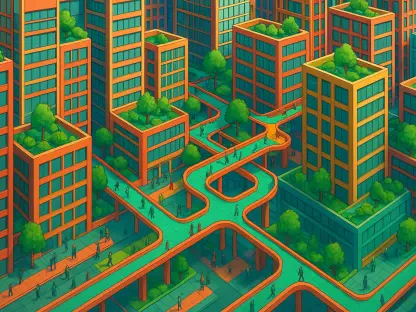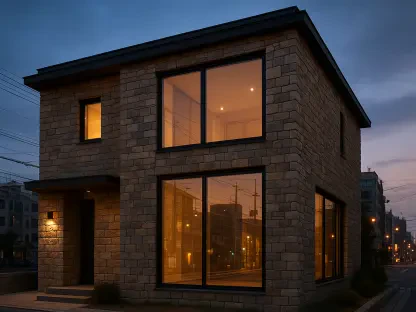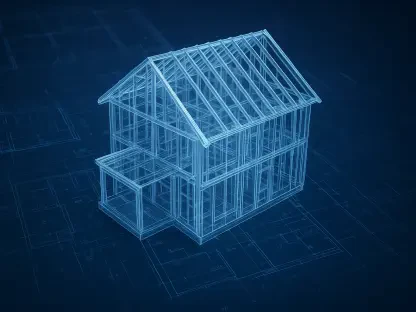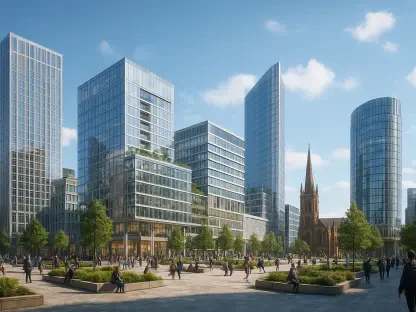

The traditional perception of a commercial workspace has transitioned from a static collection of cubicles into a highly responsive, digitally-integrated ecosystem that prioritizes the user over the physical infrastructure. For a significant period, the industry remained satisfied with “smart buildings” that relied on basic automation, such as motion sensors for lighting or pre-programmed thermostat adjustments based on the time of day. While these features offered foundational efficiency and minor cost savings, they largely operated in the background, invisible to the people occupying the space. Today, the focus has shifted toward a more sophisticated concept of “intelligent buildings” where technology serves as a seamless, intuitive layer designed to enhance the human experience rather than just managing hardware. This evolution represents a critical move from facilities-led logic to user-centric design, emphasizing how a physical environment can actively respond to the unique needs of every individual.
Redefining the Daily Commute Through Connectivity
The Seamless Journey: From Street to Seat
A fundamental pillar of the modern intelligent office is the “street to seat” philosophy, which treats an individual’s commute and entry into the building as a single, uninterrupted motion rather than a series of fragmented checkpoints. In traditional office setups, employees often encounter multiple delays, from swiping badges at parking gates to waiting for lobby turnstiles and manually selecting floors in elevators. Each of these interactions represents a point of friction that adds to the daily cognitive load. In an intelligent environment, these disparate systems are synchronized through a unified digital thread that recognizes a user as they approach the property. By the time a tenant reaches the perimeter, their identity has already been verified, which in turn triggers a sequence of automated responses. The security system signals the elevators to arrive at the ground floor, pre-programmed to deliver the occupant to their specific destination without them ever needing to touch a single button or stop.
This high level of synchronization is achieved by breaking down the silos that once separated parking management, elevator control, and physical security platforms. By integrating these systems, developers can create a workspace that acts as a proactive partner in the employee’s day. For instance, when a person enters the parking garage, the building can simultaneously update their status in the visitor management system and adjust the climate control in their reserved workspace. This continuity is not merely about the novelty of automation; it is about respecting the time and energy of the workforce. When technology handles the mundane logistics of moving through a high-rise building, occupants can remain focused on their primary objectives. The result is a work environment where the architecture feels alive and attentive, ensuring that the transition from the external world to the professional desk is as fluid as possible, thereby setting a productive tone for the entire workday.
Mobile Technology: A Central Identity Hub
The primary catalyst for this shift toward fluid movement is the absolute ubiquity of mobile technology and its integration into the security landscape. While plastic access cards served as the industry standard for decades due to their reliability, they are increasingly viewed as an outdated inconvenience by a workforce that expects digital simplicity. Modern intelligent buildings have moved toward mobile credentials, allowing smartphones and smartwatches to serve as universal identity tokens stored securely in digital wallets. This transition is not just about replacing a physical card with a digital one; it is about the radical consolidation of disparate services into a single, pocket-sized interface. A tenant can now use one device to bypass security, reserve a specific desk, book a collaborative meeting room, or even access secured lockers and gym facilities. This centralized approach reduces administrative overhead and simplifies the user journey.
Furthermore, the integration of mobile technology allows the building to become a dynamic platform for service delivery that goes beyond basic access control. In a truly intelligent ecosystem, the mobile application acts as a digital concierge, facilitating cashless payments at on-site cafes or providing real-time updates on building amenities. This level of connectivity enables a more personalized experience, where the building recognizes individual preferences and provides tailored notifications or localized discounts. By leveraging the sensors already present in modern smartphones, facilities managers can also gain deeper insights into how spaces are being utilized without compromising privacy. This data-driven approach ensures that the building remains responsive to the actual habits of its occupants. As we look at the current landscape from 2026 to 2030, the reliance on mobile-first environments will only deepen, turning the office into a service-oriented destination rather than a static piece of real estate.
Creating Value in a Hybrid Work Environment
The Office: A Premium Destination
In the current climate where hybrid and remote work models are firmly established, the physical office must offer a value proposition that significantly outweighs the convenience of a home workspace. Property owners and developers are now utilizing intelligent features as a primary differentiator to attract high-value tenants who demand more from their leases. An intelligent building fosters a sense of community and professional identity, which are often the missing components in a distributed work environment. Through highly integrated workplace applications, property managers can now curate a “destination” atmosphere. These apps allow for the promotion of networking events, the facilitation of peer-to-peer communication, and the delivery of exclusive on-site perks. This digital layer effectively complements the physical architecture, transforming the office from a mandatory place of work into a voluntary hub for collaboration, creativity, and professional growth.
Creating this “sticky” environment requires a shift in mindset, where the building is treated as a hospitality product rather than just a structure. When an office space is equipped with intelligent lighting that mimics natural circadian rhythms and air filtration systems that adjust based on real-time CO2 levels, it provides a wellness-oriented experience that home offices rarely match. Moreover, the ease of collaboration in an intelligent space—where meeting rooms are automatically prepared with the necessary digital tools and climate settings—removes the technical hurdles that often plague remote meetings. This focus on the human-centric experience ensures that when employees do choose to come into the office, they are met with an environment that actively supports their well-being and productivity. By positioning the office as a premium, high-tech destination, landlords can maintain high occupancy rates and justify premium rents even in a highly competitive and fluid commercial real estate market.
Adaptability: Through Open Architecture
To sustain a high level of intelligence over the long term, modern commercial developments must be constructed on a foundation of “smart-readiness” and open architectural standards. This necessitates a move away from the closed-loop, proprietary systems that characterized the previous generation of building management. A truly intelligent building is never a finished product; instead, it is a flexible platform that must evolve as new technologies emerge. By prioritizing open Application Programming Interfaces (APIs), developers ensure that different software and hardware solutions can communicate seamlessly regardless of the manufacturer. This technical agility allows for the easy integration of new features, such as advanced visitor management tools, biometric scanners, or sophisticated energy-saving algorithms, without the need for a total infrastructure overhaul. The ability to swap or upgrade individual components ensures the property remains at the cutting edge.
The economic benefits of open architecture are just as compelling as the technical ones, as it prevents “vendor lock-in” and allows property managers to select the best-in-class solutions for every specific need. As the demand for data-driven insights grows, having an open system becomes crucial for aggregating information from a variety of sensors—ranging from occupancy detectors to environmental monitors. This centralized data pool allows for more accurate reporting on energy usage, space optimization, and operational efficiency. Furthermore, an adaptable infrastructure ensures that the building can respond to future shifts in workplace trends, such as the need for more flexible, modular layouts or increased demand for specialized high-bandwidth connectivity. By building with the current standards established from 2026 and projecting through the end of the decade, developers are creating resilient assets that are capable of maintaining their “intelligence” and market value for many years.
Maintaining Integrity and Looking Ahead
Security: The Invisible Bedrock
While the focus of intelligent design often leans toward user amenities and aesthetic convenience, physical and cyber security remains the fundamental bedrock that supports the entire system. As buildings become more interconnected and rely heavily on digital credentials and cloud-based management, the “attack surface” for potential vulnerabilities naturally increases. This reality has made the collaboration between physical security teams and IT departments more critical than ever before. The seamless experience promised by an intelligent office is incredibly fragile; if a mobile credential fails to authenticate or a synchronized elevator system glitches, the intended convenience immediately transforms into a source of significant tenant frustration. Therefore, the most successful and resilient intelligent buildings are those that prioritize a rock-solid, highly available security foundation as the starting point for all other innovations.
Maintaining this integrity requires a proactive approach to system health and cybersecurity. Regular audits, encrypted communication protocols, and redundant hardware are essential to ensure that the building remains functional and safe at all times. In an era where data privacy is paramount, intelligent buildings must also be designed with “privacy by design” principles, ensuring that occupant movement data is anonymized and protected against unauthorized access. When security is handled correctly, it remains invisible to the user, providing a sense of safety and reliability without intruding on the daily experience. The goal is to create a secure environment that empowers people rather than restricting them. By investing in robust access control platforms that are built for high-scale digital integration, property managers can offer the high-tech features tenants crave while ensuring the physical and digital safety of everyone within the property remains uncompromised.
Predictive Intelligence: Data and Analytics
The current frontier of office evolution is the transition from reactive systems to predictive intelligence driven by advanced data analytics. While modern buildings are already excellent at responding to real-time inputs, the next generation of intelligent infrastructure will use historical data and machine learning to anticipate needs before they even arise. This includes predictive maintenance, where the building’s internal management system identifies a failing motor or a clogged filter before a breakdown occurs, allowing repairs to be scheduled during off-hours. This proactive approach minimizes downtime and extends the lifespan of expensive mechanical assets. Similarly, environmental systems can begin to adjust air quality and lighting based on real-time occupancy density forecasts and external weather patterns, ensuring that energy is never wasted on empty floors while maintaining optimal conditions for those present.
This level of foresight transforms the building into a proactive partner that actively optimizes itself for productivity and comfort. By analyzing how different spaces are used throughout the week, management can make informed decisions about reconfiguring floor plans or adjusting service levels. For example, if data shows that certain collaboration zones are consistently over-capacity on Tuesdays and Wednesdays, the building can suggest alternative layouts or redirect resources to those areas. This intelligent use of data ensures that the workspace is always aligned with the actual behavior of the workforce, rather than relying on static assumptions. As property managers implemented these strategies from 2026 onward, the focus shifted toward maximizing the “return on experience” for every square foot of the property. The ultimate goal was to create a space that not only functioned perfectly but also evolved alongside the people it was designed to serve.
Human-Centric Perspective: Actionable Next Steps
The transition from smart to intelligent buildings reflected a profound cultural shift that prioritized human needs over technical automation. Industry leaders recognized that the ultimate benchmark of an intelligent space was its ability to understand its purpose and reflect the expectations of the modern workforce. By leveraging mobile technology and open architecture, developers successfully removed the friction from the daily routine, fostering a sense of community and growth. Moving forward, stakeholders should prioritize the integration of siloed systems to ensure a “street to seat” experience that feels natural and effortless. Investing in flexible, API-driven foundations became a necessity for those wishing to remain competitive in a landscape where technology changes rapidly. Decisions were increasingly guided by the desire to create environments where people could thrive, proving that the most advanced technology is often the most unobtrusive.
Property managers and developers took deliberate steps to bridge the gap between physical security and digital convenience, ensuring that every innovation was supported by a reliable infrastructure. They focused on collecting and analyzing occupancy data to drive predictive adjustments, which in turn improved both operational efficiency and user satisfaction. By adopting a hospitality-focused mindset, the commercial real estate sector successfully redefined the office as a high-value destination. The lessons learned during this period demonstrated that intelligence is not merely a collection of high-tech gadgets, but a holistic approach to design that centers on the occupant. Future developments will undoubtedly continue to build upon these principles, ensuring that the workspace remains a dynamic, responsive, and essential part of professional life. The successful integration of these technologies eventually redefined the standard for what a productive and welcoming office environment should be.