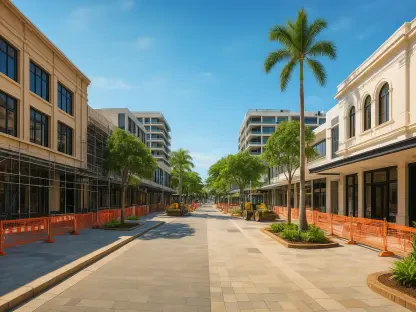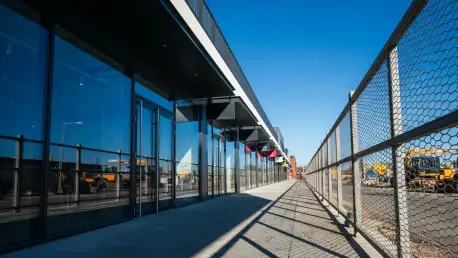

The sudden appearance of heavy construction fencing along the scenic Leschi waterfront has transformed a once-tranquil shopping district into a complex logistical nightmare for local residents and business owners alike. A $7.9 million infrastructure project spearheaded by Seattle Parks and Recreation aims to revitalize the shoreline, yet its current execution has triggered a wave of economic anxiety among the neighborhood’s long-standing establishments. Without prior formal notification, work crews began sealing off nearly 90% of the available waterfront parking just as the peak summer season reached its height. This timing is particularly precarious for retailers like Leschi Market, which rely heavily on these warmer months to build a financial buffer for the remainder of the year. While the municipal goal is to improve public assets starting in 2026, the immediate effect is a jarring disruption of commerce. Shoppers now face significant barriers to access, leading to a palpable sense of betrayal within the community.
Financial Impact: The Communication Gap
Owners of small, family-run enterprises express deep concern that a projected 15% to 20% decline in revenue will threaten the long-term viability of their operations. The removal of parking spaces is not merely an inconvenience; it represents a fundamental barrier to entry for a customer base that often travels from outside the immediate walking radius. Despite the availability of King County Metro services, the reality of transporting several bags of groceries or heavy household items makes public transit a secondary and often impractical option for many patrons. The lack of transparency regarding the construction schedule has left stakeholders unable to pivot their business models or adjust staffing levels in response to the reduced foot traffic. Currently, the absence of a proactive communication strategy from city officials has forced business leaders to consider difficult measures, including potential layoffs, to mitigate the sudden and sharp decrease in daily transactional volume.
Balancing Goals: Infrastructure and Local Stability
The tension between urban beautification and neighborhood preservation highlighted a critical need for more integrated planning frameworks that prioritized the survival of existing commercial ecosystems. Moving forward, the city administration considered implementing a tiered construction approach that could have preserved partial parking access during peak commercial hours. City planners also evaluated the potential for temporary signage and designated loading zones to alleviate the pressure on retail logistics throughout the remainder of 2026. Strategic collaborations between the Parks Department and local commerce associations provided a roadmap for mitigating similar conflicts in future shoreline enhancements. By establishing a dedicated liaison for small businesses during the pre-construction phase, the municipal government ensured that infrastructure milestones did not come at the expense of local economic stability. Ultimately, these measures fostered a more resilient relationship between the city’s long-term development goals and the immediate needs of the families who anchored the neighborhood.