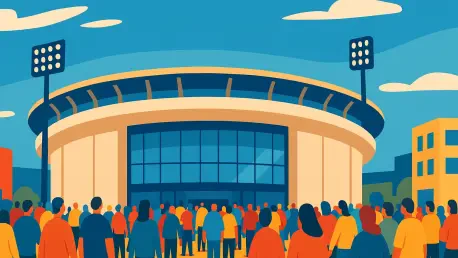

Project developers emphasize that the new arena will solidify Philadelphia’s position as one of the premier sports and live entertainment destinations globally. This massive private investment, spearheaded by 76ers Managing Partner Josh Harris and Comcast CEO Brian Roberts, represents the focal point of a $2.5 billion overhaul for the South Philadelphia Sports Complex. Strategically located on the former site of the Spectrum along Pattison Avenue, the design aims to strike a delicate balance between honoring the city’s storied sports history and embracing a futuristic aesthetic. As of 2026, the collaboration between global architectural firm Populous and Moody Nolan has transitioned into a critical implementation phase to meet the planned 2030 opening. This facility is intended to serve as a long-term home for the 76ers and the Flyers, while also providing a state-of-the-art venue for a future Philadelphia WNBA franchise to thrive in a competitive market. By creating a unified vision for the district, project leaders intend to amplify the energy of live entertainment through modern infrastructure and community-centric programming that appeals to fans of all generations throughout the region.
Urban Transformation: Balancing Civic Design and Economic Impact
The proposed architectural plans include a massive entrance staircase inspired by the Philadelphia Museum of Art, intended to evoke a sense of civic grandeur for every visitor. Beyond the main structure, the project features over a half-acre of dedicated outdoor community space, including fan plazas and diverse dining options that reflect the local culture. Economically, the venture is projected to be a massive driver for the region, potentially creating 15,000 jobs and generating approximately $6 billion in economic activity between 2026 and 2036. Furthermore, the city and the School District of Philadelphia are expected to benefit from hundreds of millions of dollars in new tax revenue. Until the new facility is completed, the existing Xfinity Mobile Arena will remain fully operational to ensure no disruption in the city’s current schedule. This transition period allowed developers to refine logistics while maintaining the district’s status as a top-tier event hub by integrating high-capacity digital displays and interactive installations to enhance the fan experience.
Community sentiment remained a mix of optimism and apprehension as residents voiced quality-of-life concerns regarding the impact of game-day crowds, noise, and public disturbances. To address these issues, the city council and developers established a framework for neighborhood revitalization that prioritized sustainable urban growth and local hiring initiatives. Officials recognized that the project’s success depended on more than just structural completion; it required a long-term commitment to mitigating negative environmental impacts. Stakeholders were encouraged to implement advanced traffic management systems and expand public transit access to the Sports Complex to reduce congestion in residential sectors. Moving forward, the city should continue to monitor the socioeconomic outcomes of the arena to ensure that the promised economic benefits are distributed equitably across the community. By fostering transparent dialogue between sports leadership and the neighbors, the administration ensured that this $2.5 billion investment effectively served as a catalyst for inclusive urban progress and modern infrastructure.