
The Smithfield Planning Commission expressed a clear preference for real-world architectural examples over stylized illustrations during recent deliberations for a new service facility. This strategic pivot highlights a broader commitment within the region to ensure that the rapid pace of commercial development does not erode the unique aesthetic fabric of the town. As Smithfield serves as a gateway to Isle of Wight County, the pressure to maintain high visual standards has never been more significant. Town officials are increasingly moving away from accepting generic corporate templates, demanding instead that new construction projects integrate seamlessly with the community’s architectural heritage. This approach is intended to protect local property values and preserve the small-town charm that attracts residents and tourists alike. By prioritizing tangible design precedents, the commission is setting a new benchmark for how national brands must adapt to local expectations, ensuring that growth is both sustainable and visually harmonious.
Commercial Development: Maintaining Visual Integrity and Public Trust
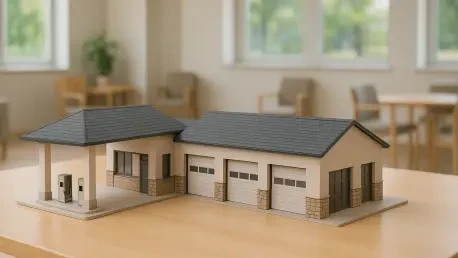
The scrutiny applied to the proposed Take 5 Oil Change facility on Benns Church Boulevard illustrates the granular level of detail town officials are now demanding. While the commission eventually reached a consensus regarding the functional layout of the service bays—permitting them to face the highway for operational efficiency—the debate over the exterior finishes was far more rigorous. Commissioners rejected initial stylized renderings provided by Cor3 Design LLC, requesting instead that the project mirror the high-quality materials and finishes seen in recently completed facilities elsewhere. This move away from abstract illustrations toward proven architectural outcomes suggests that Smithfield is prioritizing tangible results over marketing promises. The goal is to ensure that service stations contribute positively to the visual experience of travelers. This standard forces developers to invest in superior masonry, transforming simple service sites into integrated community assets.
Beyond individual projects, the regional expansion includes massive undertakings like the 17.5-acre Bridger’s Quarter and the revival of the Timber Preserve subdivision, which began its revitalization in 2026 after decades of dormancy. However, this surge in development has met with significant public pushback regarding transparency and the pace of change. Residents have voiced concerns over the handling of public hearings for projects like Gwaltney Farms and the fiscal responsibility of major land acquisitions like the Grange purchase. This environment of active civic engagement forces leaders to justify every major land use decision with concrete data and public outreach. The friction between rapid growth and resident concerns highlights a need for more robust communication channels. Moving forward, the success of these developments will depend on the ability of officials to demonstrate that expansion serves the public interest, fostering trust through open dialogue and fiscal accountability.
Sustainable Growth: Investing in Education and Public Safety
As the population increases, the demand for modern educational facilities has become a critical fiscal priority for the county. The school system is currently moving forward with the development of a new Westside Elementary School, a project supported by a $14 million state grant intended to address aging infrastructure. However, the rising costs of competitive staffing and maintenance led to a significant budget increase for the 2026-27 fiscal year. To address these financial needs, local leaders are exploring legislative options like a dedicated 1% local sales tax. If implemented, this tax could generate approximately $3.4 million annually, specifically earmarked for school construction and debt service. This move toward a dedicated revenue stream represents a strategic shift in fiscal policy, aiming to link regional commercial activity directly to the support of the educational system. Such a solution would allow the county to fund critical infrastructure without relying solely on tax increases.
Ultimately, the recent actions taken by Smithfield and Isle of Wight County leaders established a clear roadmap for balancing progress with local heritage. By demanding higher architectural standards and pursuing diversified funding for schools, officials sought to mitigate the negative externalities of rapid expansion. The community also moved toward a more transparent governance model as residents demanded accountability in land acquisitions. To sustain this momentum, the county should have prioritized the implementation of long-term infrastructure master plans that synchronized road improvements with residential growth. It was essential for planners to continue leveraging state grants while exploring the potential of the proposed sales tax to maintain fiscal health. The successful resolution of the historic Ragged Island cold cases and the deployment of new safety technology further reinforced the community’s resilience. These efforts collectively ensured that Smithfield matured in its capacity to manage the complexities of modern civic life.