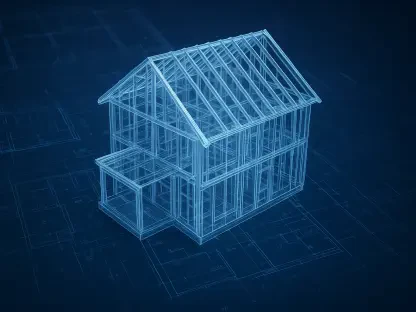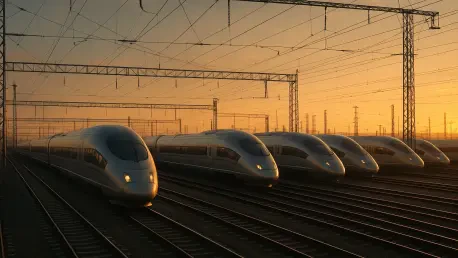

The new Poznań South-Western hub is being designed as a 24/7 operational center capable of performing both daily routine checks and intensive periodic inspections. This ambitious project serves as a cornerstone for PKP Intercity’s broader technical evolution, marking a decisive departure from fragmented, legacy maintenance practices toward a unified industrial ecosystem. As the national carrier expands its fleet with increasingly sophisticated electric multiple units and high-speed locomotives, the necessity for a corresponding leap in infrastructure has become undeniable. The program’s financial framework has recently been adjusted upward, with the total investment envelope climbing from PLN 25.4 billion to PLN 27.8 billion. This capital injection is not merely for maintenance but for a complete reimagining of the railway lifecycle. By prioritizing the synchronization of rolling stock procurement with depot modernization, the operator ensures that every new train arriving on the tracks is supported by a facility capable of handling its complex electronic and mechanical requirements. This systemic overhaul, targeting 2030 for full implementation, represents one of the most significant logistical transitions in the history of Polish rail, focusing on the creation of a seamless operational chain that maximizes fleet availability and passenger safety across the entire domestic and international network.
Strategic Expansion of Northern and Western Service Hubs
The strategic repositioning of maintenance capacity starts with the development of high-capacity service centers in geographically vital regions, such as the northeastern corridor. In Białystok, the focus is on a sophisticated repair hall that integrates advanced engineering features like a thirty-meter inspection pit and nearly one and a half kilometers of newly laid tracks. This facility is specifically engineered to address the ergonomic and technical challenges posed by modern rail cars, which feature dense undercarriage configurations that traditional depots cannot easily access. By providing technicians with full, unobstructed access to these complex systems, the hub reduces the time required for safety-critical inspections. The construction adheres to a strict fourteen-month timeline, emphasizing a sense of urgency in closing the gap between fleet growth and technical support. Specialized welding stations and high-performance extraction systems are being installed to maintain a high state of readiness, ensuring that trains serving the northern routes spend more time in revenue service and less time idling in outdated workshops. This facility represents a shift toward specialized, data-driven maintenance environments where precision is prioritized over manual labor.
Simultaneously, the expansion toward the west is anchored by the Poznań South-Western hub, which aims to redefine the standard for holistic train care through automated and sustainable systems. Beyond the core mechanical repairs, this site introduces advanced external washing stations and dedicated zones for underframe cleaning and graffiti removal, recognizing that aesthetic maintenance is closely tied to the preservation of the vehicle’s structural integrity. To address the environmental footprint of such a massive operation, the facility incorporates large-scale photovoltaic installations and smart climate control systems. These systems are designed to pre-condition the interiors of the trains before they depart for passenger service, ensuring a comfortable environment from the moment travelers board while significantly curbing the energy waste typically associated with idling trains. By integrating renewable energy and automated cleaning technologies, the Poznań hub serves as a model for the future of green rail operations. This approach ensures that the maintenance network is not only technically capable but also ecologically responsible, aligning with broader European trends toward decarbonizing the transportation sector through innovative infrastructure.
Revitalizing Core Network Nodes Through Electrification
While building new facilities provides a blank slate for innovation, the modernization of established technical bases in cities like Wrocław is equally critical to the network’s overall balance. The Wrocław technical base is currently undergoing a phased transformation that includes the total electrification of the site and the meticulous renovation of its historic locomotive depot. A standout element of this upgrade is the creation of a specialized hall dedicated exclusively to the servicing of climate-control systems. As passenger expectations for on-board comfort continue to rise and extreme weather events become more frequent, the reliability of heating, ventilation, and air conditioning (HVAC) units has moved from a secondary concern to a mission-critical priority. By centralizing the maintenance of these complex systems in a controlled, specialized environment, technicians can perform more thorough diagnostic tests and preventive repairs. This targeted investment ensures that the older parts of the national rail network are brought up to the same performance standards as new builds, preventing technical bottlenecks that could otherwise disrupt service across the southern and western corridors.
In Katowice, maintenance upgrades are being closely coordinated with major regional track improvements on the E65 corridor. This project, which moves forward from 2026 through the end of the decade, utilizes a design-and-build model to create new storage facilities, carriage repair halls, and specialized areas for battery maintenance. This integration of depot upgrades with mainline railway modernization is a deliberate strategy to ensure that the capacity to repair trains grows at the same rate as the capacity to run them. One of the primary operational goals of this coordination is the drastic reduction of dead mileage—the costly and inefficient practice of moving empty trains over long distances to reach the nearest available service point. By situating advanced maintenance capabilities directly adjacent to major transit arteries, the operator can maximize the productive hours of its rolling stock. This localized approach not only improves the bottom line by saving fuel and labor costs but also enhances the resilience of the regional transport network, allowing for faster responses to technical issues and more frequent schedule updates for the traveling public.
Industrializing Operations Through Standardized Technical Logistics
The shift toward a modern maintenance network requires more than just new buildings; it necessitates a comprehensive standardization of the invisible infrastructure that keeps a railway running. PKP Intercity is currently implementing strict technical protocols across its entire footprint, which involves the installation of over two hundred sets of new track points and the electrification of remote stabling tracks in popular destinations such as Zakopane and Świnoujście. By upgrading these foundational elements, alongside compressed air systems and utility lines, the operator can significantly accelerate turnaround times for trains arriving at the end of their routes. This modernization allows for a more fluid movement of rolling stock within the depots, reducing the time spent on shunting and preparatory work. These improvements are vital for maintaining high service frequencies during peak travel seasons, as they enable the technical teams to process a larger volume of vehicles without sacrificing safety or quality. The industrialization of these daily tasks ensures that the entire maintenance chain functions with the precision of a production line, turning every minute of downtime into a productive window for inspection and upkeep.
To support this industrialized model, a new five-thousand-square-meter central warehouse is being constructed to revolutionize the distribution of spare parts and components. In the past, maintenance delays were often caused by the lack of immediate access to specialized hardware, but this centralized logistical hub is designed to eliminate such inefficiencies. By housing a comprehensive inventory of components—from small electronic sensors to large mechanical assemblies—the warehouse ensures that repair teams across Poland always have the necessary tools on hand. This shift from a traditional, decentralized depot model to a service factory model is essential for supporting a fleet that is becoming both larger and more technologically complex. The data-driven management of this supply chain allows the operator to predict part failures and pre-position inventory based on real-time fleet usage statistics. By treating maintenance as a high-efficiency industrial process rather than a reactive repair job, the company is securing the long-term viability of its multibillion-zloty investments in new rolling stock. This proactive logistical framework ensures that the technological advancements in the trains themselves are matched by the efficiency of the systems that keep them moving.
Sustainable Foundations for a Resilient Transportation Future
The strategic decision to overhaul the technical infrastructure proved to be a pivotal moment for the rail industry, moving beyond simple repairs to a model of total lifecycle management. Throughout the early stages leading up to 2026, the transition toward integrated service hubs began to yield measurable improvements in fleet reliability and operational cost-efficiency. The implementation of over one hundred individual projects across the country created a robust network that effectively supported the faster, modern fleet required by a growing passenger base. These investments successfully bridged the gap between old-world railway traditions and the demands of a high-tech, high-frequency transport system. The focus on specialized environments for HVAC systems and electronic diagnostics addressed the most common causes of delays, while the electrification of remote stabling areas minimized the operational footprint of the service network. This comprehensive transformation ensured that every zloty spent on new rolling stock was supported by a world-class maintenance environment, reinforcing the overall stability of the national transit system.
Future strategies prioritized the continuous integration of predictive maintenance technologies and the expansion of green energy systems to all remaining minor depots. This evolution laid the groundwork for a more resilient transportation network that was capable of adapting to both technological shifts and changing climate demands. The proactive measures taken to build a centralized logistics chain and specialized repair halls provided a blueprint for other European operators looking to modernize their own legacy networks. By treating maintenance as an integral part of the passenger experience, the industry secured a future where rail travel remained the most reliable and sustainable choice for long-distance mobility. These actionable insights encouraged further investment in digital twin modeling for locomotives, allowing technicians to simulate repairs before the physical train even entered the hall. The resulting synergy between physical infrastructure and digital oversight proved that modernizing the workshop was just as important as modernizing the tracks themselves, ensuring long-term operational success for decades.