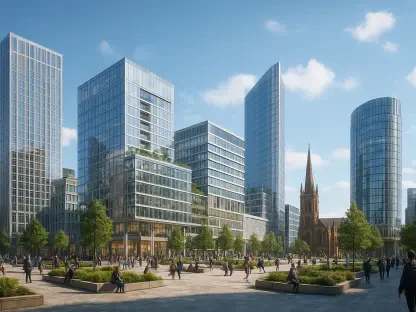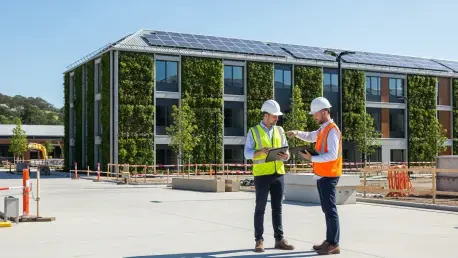

The University of Bath has officially commissioned the construction firm GRAHAM to spearhead a landmark development project: a 960-bed purpose-built student accommodation (PBSA) facility at its Claverton Down campus. This ambitious project, procured through the Southern Construction Framework (SCF), marks a significant milestone in the university’s physical expansion. By integrating modern design with high-performance environmental standards, the development aims to set a new benchmark for academic living. This analysis explores the strategic importance of the project, the innovative construction methodologies employed, and how this investment aligns with the university’s long-term vision for student success and sustainability.
Addressing the Growing Demand for Quality Student Living
As the University of Bath celebrates its 60th anniversary, the institution is facing a pivotal moment in its growth. Historically, the demand for high-quality, on-campus housing has consistently outpaced supply, particularly for incoming first-year students who prioritize proximity to academic facilities and a supportive community environment. This shift in the higher education landscape—where the quality of residential life is directly linked to student recruitment and retention—has necessitated a robust response from university leadership.
Past developments have focused on functional capacity, but the current industry shift emphasizes a holistic “living-learning” model. Understanding these background factors is essential for grasping why this 960-bed expansion is not just a building project, but a strategic asset designed to bolster the university’s competitive edge for decades to come. The focus on high-density residential solutions reflects a broader trend within the sector to optimize land use while enhancing the quality of the student experience.
Delivering Excellence in Modern Academic Infrastructure
Achieving Net-Zero Goals: The Passivhaus Standard
A defining feature of the GRAHAM development is its commitment to the Passivhaus standard, a rigorous international certification for energy efficiency. This approach moves beyond traditional building regulations by focusing on a “fabric-first” methodology, which utilizes high levels of insulation and airtightness to maintain thermal comfort with minimal energy consumption. By incorporating air source heat pumps and sustainable materials, the project directly supports the University of Bath’s net-zero carbon ambitions. While achieving Passivhaus certification presents technical challenges in large-scale residential builds, the long-term benefits include significantly lower operational costs and a vastly reduced carbon footprint.
Enhancing Student Wellbeing: Purpose-Built Amenities
Modern student housing must serve as more than just a place to sleep; it must function as a social and academic hub. The project’s design includes a diverse mix of housing types, ranging from en-suite cluster apartments to townhouse-style units located on the eastern edge of the campus. These living spaces are supplemented by comprehensive amenities, including communal kitchens, dedicated study zones, laundry facilities, and flexible social spaces. By prioritizing these shared environments, the development addresses the growing importance of student mental health and wellbeing, providing inclusive spaces that foster a sense of belonging among a diverse student body.
The Collaborative Advantage: Pre-Construction Agreements
The project is initiated through a two-stage Pre-Construction Services Agreement (PCSA), a collaborative framework that allows GRAHAM to work alongside the university to refine designs before the heavy machinery arrives. This methodology reduces the risks often associated with large-scale infrastructure by ensuring that technical specifications, budgets, and timelines are meticulously vetted. From an operational standpoint, this transparency allows for the integration of expert opinions early in the process, addressing potential misconceptions about site constraints and ensuring that the final delivery meets the high expectations of university stakeholders.
Future-Proofing Higher Education Real Estate
The construction sector is currently witnessing a rapid evolution driven by technological innovation and shifting regulatory requirements. In the realm of student housing, the future is increasingly defined by “smart” buildings that use data to optimize energy use and improve the resident experience. As economic pressures and environmental mandates become more stringent, the University of Bath’s investment in Passivhaus-standard facilities positions it as a leader in future-proofed real estate. We can expect a broader industry shift toward these high-performance buildings, where sustainability is no longer an optional “extra” but a fundamental requirement for institutional resilience.
Strategic Recommendations for Sustainable Campus Growth
For educational institutions and developers looking to replicate this success, the primary takeaway is the value of early-stage collaboration and a commitment to high-performance standards. Prioritizing a fabric-first approach over “bolt-on” green technologies often yielded better long-term financial and environmental returns. Additionally, institutions focused on the “inclusive environment” aspect of construction, ensuring that facilities catered to a wide range of student needs. Implementing a multi-stage procurement process, similar to the SCF utilized here, helped mitigate risks and ensured that contractors were fully aligned with the institution’s core values.
A New Chapter for the University of Bath’s Residential Strategy
The partnership between GRAHAM and the University of Bath represented a forward-thinking response to the evolving needs of the modern student. By delivering 960 new beds that prioritized energy efficiency and community wellbeing, the project significantly enhanced the Claverton Down campus. This development served as a testament to the power of strategic investment in infrastructure to support academic excellence. As the university moved into its next decade, this project remained a cornerstone of its commitment to providing a world-class environment, proving that high-density housing was both sustainable and deeply conducive to the student experience.