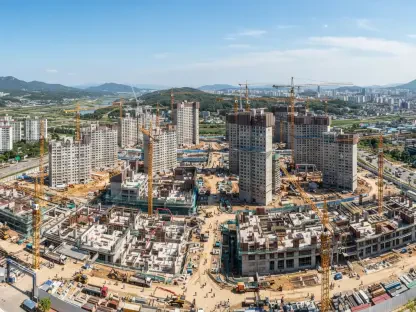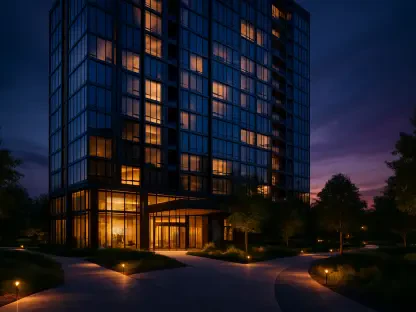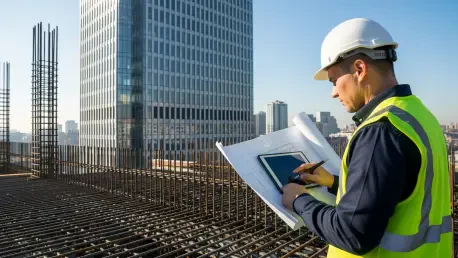

When hundreds of families move into a newly constructed high-rise or commercial complex, they rarely stop to consider the thousands of invisible code requirements that keep the structure from failing during a natural disaster or emergency. In the rapidly expanding landscape of Wake County, where the skyline seems to change with every passing month, the role of dedicated building safety professionals like Frank Karcher has become more critical than ever before. These experts act as the final line of defense between architectural ambition and structural reality, ensuring that every bolt, beam, and circuit meets the highest possible standards for human occupancy. As the regional population continues to surge throughout the period from 2026 to 2030, the demand for high-density housing has necessitated a more sophisticated approach to inspection and enforcement. It is not merely about checking boxes on a list; it is about understanding the physics of materials and the long-term environmental impacts on modern construction. By focusing on the nuances of current building codes, Karcher ensures that the infrastructure of today does not become a liability tomorrow, maintaining a legacy of safety that protects the entire community.
Navigating the Complexity of Modern Construction Codes
Technical Precision: Enhancing Structural Integrity
The complexity of structural engineering has increased significantly as developers push the boundaries of glass-and-steel architecture in urban centers. Frank Karcher emphasizes a meticulous review of foundation stability and load-bearing capacities, particularly in areas where soil composition might fluctuate. This level of technical precision involves the use of advanced ultrasonic testing to detect microscopic fissures in steel reinforcements that would be invisible to the naked eye. Beyond just the skeleton of the building, the focus extends to how these materials interact under extreme thermal stress or seismic activity. In Wake County, where weather patterns can be unpredictable, ensuring that large-scale commercial projects can withstand high wind loads is a non-negotiable requirement. This approach prevents the catastrophic failures that have plagued other regions, setting a benchmark for regional safety. Moreover, the integration of new sustainable materials requires a re-evaluation of traditional stress tests to ensure that eco-friendly alternatives provide the same level of durability as legacy products.
Digital Integration: Monitoring Electrical and Mechanical Systems
Modern buildings are essentially living organisms with complex circulatory systems comprised of electrical grids, HVAC units, and plumbing networks. Frank Karcher directs significant attention to the installation of integrated building management systems that monitor energy consumption and identify potential failures before they occur. For instance, the transition to high-voltage electric vehicle charging stations within residential garages has introduced new challenges for load distribution and heat dissipation. Proper inspection ensures that these systems are isolated and protected against the risk of thermal runaway, which could jeopardize the entire residential block. Furthermore, the mechanical ventilation standards must account for indoor air quality, a priority that has gained immense traction in the current construction cycle. By verifying the placement of sensors and the efficiency of filtration units, inspectors ensure that buildings remain healthy environments for decades. This holistic view of building systems ensures that the convenience of modern technology does not compromise the fundamental safety of the residents or the long-term viability of the utility infrastructure.
Ensuring Resilience: Strategic Implementation of Safety Protocols
Fire Prevention: Life Safety Engineering for High-Density Housing
Fire safety remains the most critical aspect of any building inspection, necessitating a deep understanding of active and passive protection systems. Frank Karcher focuses on the rigorous testing of automated sprinkler arrays and the integrity of fire-rated barriers that prevent the spread of flames between floors. These barriers are essential in high-density developments where evacuation times are naturally longer due to the height of the structures. In addition to hardware, the configuration of egress routes and the visibility of emergency lighting are scrutinized to ensure they remain functional even during a total power loss. The use of intumescent coatings on exposed structural members has become a standard requirement in 2026, providing vital minutes for emergency responders to arrive and control a situation. By conducting surprise inspections and demanding live-action tests of smoke extraction systems, Karcher reinforces the idea that safety protocols must be practical rather than just theoretical. This commitment to life safety engineering reduces insurance premiums for developers and, more importantly, provides peace of mind for every tenant who enters the building.
Collaborative Compliance: Advancing Regional Standards
Looking ahead at the trajectory of regional development, it was essential that building safety professionals fostered a culture of transparency and proactive compliance among local contractors. Frank Karcher facilitated workshops that educated site managers on the latest regulatory shifts, transforming the inspection process from a hurdle into a collaborative partnership. Stakeholders were encouraged to adopt digital twin technology, which allowed inspectors to view real-time data from the construction site, identifying discrepancies early in the building phase. This shift toward preventive oversight reduced the need for costly retrofits and ensured that all projects remained on schedule without sacrificing quality. For those looking to mirror this success, the primary takeaway was the integration of communication platforms that linked developers directly with the safety office. Moving forward, developers were advised to invest in continuous training for their site supervisors to keep pace with evolving technological requirements. By prioritizing these relationships, the county successfully maintained a high standard of living while supporting the robust economic growth that defined the current landscape.