
The staggering surge in electrical demand driven by the proliferation of artificial intelligence has prompted the United States Environmental Protection Agency to rethink the fundamental regulatory frameworks that have governed industrial development for decades. Under the leadership of Administrator Lee Zeldin, the agency has officially unveiled a regulatory proposal that seeks to drastically reduce the time required to build massive data centers and the specialized power plants that sustain them. For nearly half a century, the Clean Air Act has functioned as a strict gatekeeper, requiring industrial developers to secure federal air-emission permits before any physical work could begin on a project site. This traditional approach ensured that environmental impact and pollution controls were fully vetted before a landscape was permanently altered. However, the new administrative stance argues that these bureaucratic requirements have become significant bottlenecks that threaten to stall the expansion of the domestic technology sector at a critical juncture in the global economy.
Competitive Pressures: The Global AI Race
The strategic motivation behind this regulatory shift is deeply rooted in the administration’s desire to maintain a dominant position in the international competition for artificial intelligence supremacy. Policymakers have increasingly framed the rapid deployment of domestic infrastructure as a matter of national security, particularly as rival nations like China invest heavily in their own high-capacity computing clusters. Leading technology firms, including industry titans such as Amazon, Meta, Microsoft, and Google, are currently engaged in a massive, coordinated expansion of data center networks across the United States. These facilities are the physical backbone of the AI revolution, but their operation requires an unprecedented amount of electricity that many local power grids are currently unable to provide. Consequently, the ability to build these sites quickly has become a primary metric for success in a race where technological lag can translate into a permanent loss of economic and strategic influence.
To circumvent the years-long delays associated with utility upgrades and grid connections, many technology companies have pivoted toward “behind-the-meter” energy solutions. This strategy involves the construction of dedicated natural gas-fueled power plants located directly on the same site as the data centers they serve. While this provides a reliable and immediate source of power for energy-intensive server hardware, these gas plants are significant sources of emissions, traditionally triggering a rigorous and lengthy federal permitting process. The EPA’s current proposal is specifically designed to address this conflict by allowing companies to begin the construction of the facility’s shell and essential support infrastructure while the final air-emissions permits are still undergoing review. By decoupling the physical build from the environmental vetting process, the administration believes it can shave several years off the project lifecycle, ensuring that the necessary computing power is available.
Structural Definitions: Redefining the Scope of Construction
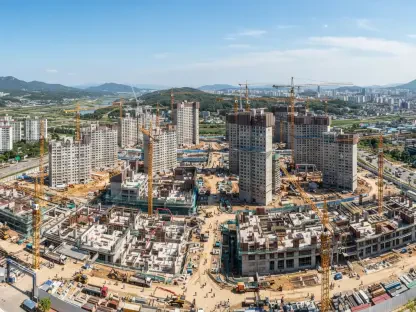
A key component of the EPA’s new strategy is a technical redefinition of what constitutes the beginning of actual construction under federal law. The proposal introduces a distinction between “polluting” and “non-polluting” activities, effectively narrowing the scope of the Clean Air Act’s pre-construction prohibitions. According to the specific language provided by the agency, developers would be granted immediate permission to engage in extensive site preparation tasks without waiting for an air permit. These tasks include clearing vegetation, grading large tracts of land, surveying, and performing complex land excavations. By allowing these activities to proceed in advance, the agency aims to enable developers to stabilize the soil and prepare the foundations of a site long before the environmental impact of the future facility’s emissions is fully evaluated by federal or state regulators in a final review.
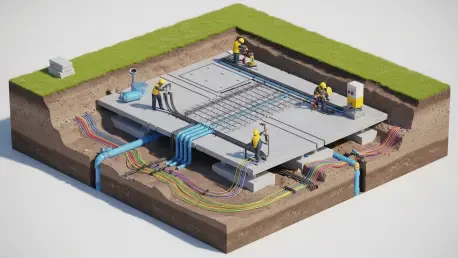
Beyond simple land preparation, the proposed rules would also permit the installation of critical structural and utility components that were previously off-limits during the permitting phase. Developers would be allowed to lay massive cement pads, install foundational wiring, and build out complex wastewater and piping systems. Furthermore, the installation of essential utility services, such as high-capacity electrical connections and telecommunications infrastructure, would be exempt from the traditional waiting periods. This allows for the physical layout of a power plant or data center to be nearly completed while the specific details of the pollution control technology are still being negotiated. The EPA asserts that because these components do not directly emit pollutants, their early installation does not inherently violate the environmental protections intended by the Clean Air Act, though they do finalize the project’s footprint.
Legal Implications: The Sunk Cost Dilemma
Environmental advocacy groups and legal experts have voiced significant concerns regarding the long-term integrity of environmental oversight if these changes are finalized. Organizations such as Earthjustice and the Southern Environmental Law Center argue that the proposal creates a dangerous “sunk cost” scenario that could undermine the objectivity of regulators. When a company is permitted to invest hundreds of millions of dollars into the physical infrastructure of a site—including foundations, piping, and buildings—it creates immense political and economic pressure on the government to approve the final air-emission permits. Critics contend that once a facility is nearly physically complete, it becomes functionally impossible for a regulator to deny a permit or demand substantial changes to the project’s design, as doing so would result in a massive waste of capital and the loss of promised local tax revenue.
The concern extends to the ability of local communities to protect their air quality and influence the placement of high-pollution facilities in their neighborhoods. Legal experts suggest that the primary function of the Clean Air Act is to determine if a specific site is appropriate for a certain type of industrial activity before any irreversible changes occur. By the time an air permit is reviewed under the proposed framework, the physical commitment to the site will have already been made, making it much harder for regulators to suggest alternative locations that might have a lower impact on public health. This shift could effectively move the burden of proof from the developer to the regulator and the public, potentially locking in designs that utilize older or less efficient pollution controls because the physical space for more advanced systems was not integrated into the early, “non-polluting” construction.
Regional Precedents: The Virginia Power Surge
The federal proposal mirrors recent regulatory movements observed at the state level, most notably in Virginia, which currently serves as the global hub for data center operations. In early 2025, the Virginia Department of Environmental Quality issued administrative guidance that allowed for similar early-stage construction activities to accommodate the state’s exploding digital infrastructure. This state-level shift was a direct response to the staggering demand for data center capacity, particularly concerning the installation of thousands of backup diesel generators and the massive climate-controlled buildings required to house them. The Virginia model demonstrated a growing appetite among regional regulators to find flexible interpretations of environmental laws to avoid losing major technology investments to other jurisdictions with more lenient or faster permitting timelines.
The sheer scale of energy demand in the Virginia market highlights the urgency driving these regulatory changes across the country. Major utilities in the region have reported that power requests from data center developers have surged from 3.5 gigawatts in late 2024 to a projected 70 gigawatts by 2026. This increase represents nearly three times the record peak demand ever recorded by the state’s primary utility provider. Such an unprecedented spike in electrical needs has made the rapid construction of new gas-fired generation capacity a top priority for both the industry and the government. Proponents of the EPA’s move argue that without these faster timelines, the mismatch between the speed of technological innovation and the pace of bureaucratic approval will lead to energy shortages that could destabilize the national power grid and hinder the development of domestic AI.
Future Considerations: Strategic Implementation and Oversight
The proposed regulatory shift by the EPA established a clear framework for prioritizing industrial speed, but the transition required a careful balancing act for future project oversight. Stakeholders determined that the most effective path forward involved the implementation of rigorous “dual-track” monitoring systems, where environmental inspections occurred simultaneously with early-stage construction. This approach allowed developers to maintain momentum while ensuring that “non-polluting” work did not accidentally cross into activities that required specific emission controls. Federal and state agencies recognized that maintaining a transparent public record of these early investments was necessary to prevent the perceived “sunk cost” momentum from overriding the scientific data required for final air-permit approvals.
Technological advancements in monitoring also played a pivotal role in validating the efficacy of these expedited timelines. Real-time air quality sensors and digital twins of industrial sites were deployed to provide regulators with a more accurate picture of a facility’s potential impact long before the first turbine was ignited. These tools allowed for a more flexible permitting process that could adapt to design changes without requiring a total work stoppage. The focus then shifted toward creating a permanent set of best practices that standardized how “non-polluting” infrastructure was categorized across different industrial sectors. By establishing these clear boundaries, the agency sought to provide the tech industry with the predictability it needed for long-term planning while preserving the core health protections that have defined federal environmental policy for decades.