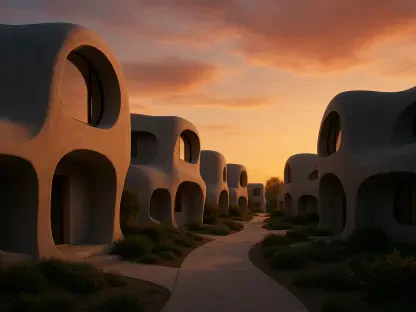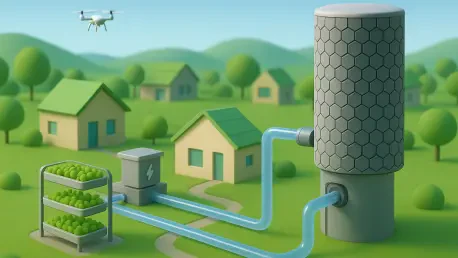

By prioritizing ancillary dwellings and flexible construction designs, intentional communities are creating housing solutions that can accommodate multi-generational families on sustainable lots. These modern developments represent a departure from the rigid zoning of the late 20th century, favoring instead a model of high-density, low-impact living that integrates seamlessly with the natural world. In 2026, the demand for these villages has surged as individuals seek to combine the benefits of cutting-edge technology with the stability of communal living. This shift is characterized by a move toward land-sharing agreements that lower economic barriers while mandating strict adherence to ecological standards. Every structure is designed as a modular unit that can evolve alongside its inhabitants, ensuring that the footprint of the community remains static even as its population grows. By clustering homes around shared utility hubs, these villages preserve vast tracts of local wilderness, effectively turning residential areas into guardians of the biosphere for the modern age.
Engineering Autonomy in Modern Settlements
Decentralized Microgrids: Energy Stewardship
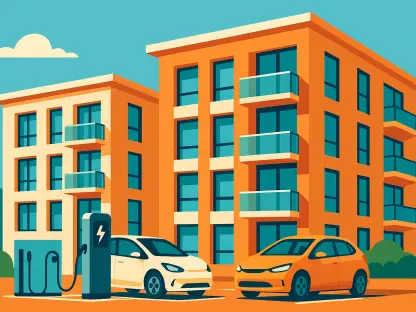
Energy systems within these communities have evolved into decentralized microgrids that operate independently from the national infrastructure, ensuring resilience during grid failures. These networks utilize a sophisticated blend of perovskite solar layers and small-scale wind turbines, all managed by artificial intelligence to optimize distribution based on real-time demand. In 2026, many of these settlements have achieved complete energy autonomy, even generating a surplus that is stored in high-density solid-state batteries or shared through peer-to-peer blockchain platforms.
This energy stewardship model allows residents to trade credits locally, fostering a circular economy where power is treated as a shared resource rather than a commodity. By eliminating the transmission losses associated with long-distance power lines, these villages operate at a level of efficiency that was previously unattainable. The integration of local storage also provides a vital backup for essential services, making these communities some of the most stable living environments currently available. Such technological integration turns every home into a contributing member of a larger, living organism that powers itself.
Architectural Synergy: Passive Design and Climate Control
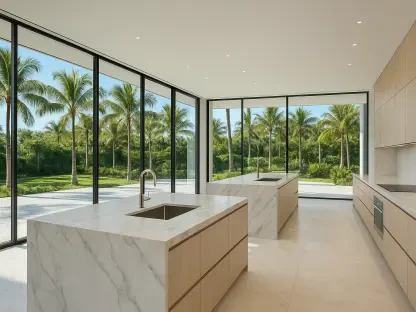
Beyond simple power generation, the technological backbone of these neighborhoods includes advanced climate control systems that leverage geothermal energy and passive design. Buildings are oriented to maximize solar gain during winter while promoting natural ventilation in the summer, reducing the reliance on energy-intensive HVAC units. Smart glass technology, which adjusts its opacity based on the sun’s position, further enhances thermal regulation without human intervention. These integrated systems are not just about comfort; they are a fundamental component of the environmental strategy.
By reducing the aggregate energy demand of the entire village, these technologies allow the microgrid to remain compact and affordable. This synergy between architectural design and energy management creates a living space that feels both modern and deeply connected to the rhythms of the local environment. As a result, residents experience a high standard of living while maintaining a carbon footprint that is significantly lower than the regional average. This approach naturally leads to a more harmonious relationship between the built environment and the surrounding natural world.
Cultivating Resilience through Resource Circularity
Regenerative Infrastructure: Water and Waste Management
Water management and waste processing have been reimagined through the lens of regenerative design, utilizing closed-loop systems that treat every output as a valuable input. Graphene-based filtration units and atmospheric water generators ensure a consistent supply of clean water, even in regions facing significant hydrological stress. Greywater is immediately repurposed for community-led agriculture, supporting vertical farms and permaculture gardens that provide a majority of the residents’ nutritional needs. This localization reduces the environmental costs associated with industrial processing.
In 2026, these villages are often cited as benchmarks for urban planning, demonstrating that human habitats can actually improve the quality of the soil and water they inhabit. By incorporating organic waste digesters, these communities also produce biogas for cooking and nutrient-rich compost for landscaping, ensuring that no material is ever truly discarded. This level of resource security is essential in an era where traditional water sources are increasingly under strain. The integration of engineered ecosystems further purifies waste, turning a potential liability into a nutrient-rich community resource.
Strategic Scaling: Policy and Economic Integration
The adoption of these eco-village models across various regions provided a definitive solution to the dual crises of housing affordability and ecological collapse. Stakeholders moved toward a future where development was synonymous with restoration, and the successes of these intentional communities informed a total overhaul of national building codes. Policy makers and urban planners implemented new frameworks that encouraged the growth of decentralized services, recognizing that localized resilience was the most effective defense against global volatility and the rising costs of centralized utility maintenance.
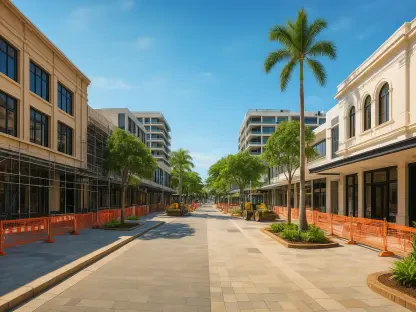
Moving forward, practitioners should focus on integrating these autonomous systems into existing urban brownfields to maximize land utility and revitalize neglected areas. Financial institutions must develop new lending products that account for the long-term savings of regenerative infrastructure. This historical shift proved that technological innovation, when guided by communal values and ecological principles, could create a sustainable foundation for society. By investing in these scalable models, the industry successfully bridged the gap between modern luxury and environmental responsibility for everyone.