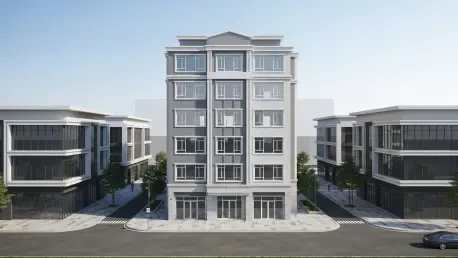

The recent approval of the Devonshire House refurbishment marks a pivotal moment in the ongoing effort to breathe new life into the architectural landscape of Grimsby’s historic urban core. For several years, this prominent five-story landmark has stood largely underutilized, serving primarily as a vertical host for telecommunications equipment while its potential as a commercial hub remained untapped. This change in status arrives as the surrounding district undergoes a massive structural evolution, positioning the building at the heart of a revitalized district. The property, currently held by the London-based firm Romano International Limited, is hitting the market with an asking price of approximately £1.8 million, signaling a high level of confidence in the regional real estate market. By addressing the aesthetic and functional shortcomings of the existing structure, the local council aims to ensure that the site no longer exists as a vacant relic but rather as a functioning participant in the local economy.
Structural Enhancements and Modern Design Standards
The technical specifications of the approved planning application prioritize a significant modernization of the building’s exterior and internal accessibility to meet current standards. A primary component of the project involves the installation of high-quality, white powder-coated aluminum window fixtures, which will replace the aging metal frames that have long defined the facade. This upgrade is expected to improve the energy efficiency of the structure while providing a cleaner, more contemporary appearance that aligns with the visual standards of the neighboring Conservation Area. Furthermore, the development includes the creation of a dedicated ground-floor entrance designed specifically to provide streamlined access to the four upper floors. This structural modification is essential for the future viability of the office spaces, as it separates professional traffic from the ground-floor retail operations. An internal bin storage area will also be integrated into the rear of the site to manage waste.
In addition to the vertical improvements, the project includes a strategic expansion of the primary ground-floor retail footprint to maximize the commercial value of the street-level space. While the current approval maintains the existing designation of retail on the bottom floor and professional office space above, the architectural changes lay the groundwork for high-density usage. Local planners have already provided informal guidance regarding the eventual transition of these upper levels into residential units, mirroring a previous proposal for forty-five apartments. By ensuring the structural integrity and modernizing the utility of the building now, the developer creates a versatile asset that can pivot between commercial and residential needs as the market dictates. The decision to expand the larger retail unit suggests a move toward attracting national tenants who require significant floor space within a modern, accessible environment. This proactive approach ensures that the building remains a competitive option.
Strategic Urban Integration and Economic Impact
The renovation of Devonshire House is not an isolated event but rather a critical piece of the broader Freshney Place leisure redevelopment strategy currently nearing its peak. As adjacent sites, including the former Bullring units and the old BHS building, have been cleared to facilitate a new five-screen cinema and a permanent food hall, the preservation of Devonshire House provides a necessary architectural anchor. The North East Lincolnshire Council determined that these specific renovations would enhance the visual character of the street scene without disrupting the historical continuity of the district. This project effectively bridges the gap between the ultra-modern cinema complex and the traditional aesthetic of the town center. By integrating modern materials like powder-coated aluminum with the existing masonry of the building, the design team has managed to respect the past while preparing for the future of Grimsby’s commercial and social activity.
Romano International Limited has demonstrated a consistent commitment to the region by maintaining the freehold for other significant assets, such as Viking House on Church Street. This level of institutional investment is vital for the long-term stability of the town center, as it provides the necessary capital to transform dormant buildings into active contributors to the tax base. The revitalization of this specific corridor is expected to be completed within the next year, creating a seamless transition between shopping, dining, and professional services. Stakeholders were encouraged to view this development as a template for private-sector cooperation with municipal revitalization goals. Moving forward, the focus shifted toward securing long-term tenants who could benefit from the increased foot traffic generated by the nearby leisure complex. The project successfully turned a neglected asset into a cornerstone of the municipal strategy for a more vibrant and economically diverse urban environment.