
Transforming a standard, institutional dormitory into a personalized sanctuary often presents a unique set of architectural and aesthetic challenges that can overwhelm even the most creative students during their first move-in experience. While the excitement of independence frequently leads to impulsive purchases at major retailers, the reality of living in a restricted footprint requires a more calculated approach to interior design than many realize. Professional designers note that the most common pitfalls stem from a lack of spatial awareness and a failure to consider the multi-functional nature of a single room that serves as a bedroom, office, and social hub. Instead of rushing to fill every corner with trendy accessories, successful residents focus on the fundamental utility of the environment. Balancing comfort with the rigid rules of campus housing necessitates a blend of strategic planning and restrained execution. This mindset helps avoid the cluttered aesthetic often seen today.
Strategic Layouts: Balancing Utility and Movement
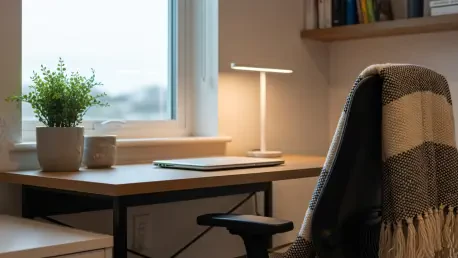
One frequent error encountered by professional designers involves the haphazard placement of large furniture items that disrupt the natural flow of the living area. When students attempt to maximize floor space by pushing every piece of furniture against the walls, they often inadvertently create a cramped and unwelcoming boxing effect that makes the room feel smaller than its actual dimensions. Experts suggest that pulling a desk or a chair slightly away from the wall can introduce a sense of depth and breathability that is otherwise absent in standard layouts. Furthermore, blocking windows with high bookshelves or stacked storage bins is a critical mistake that limits natural light and negatively impacts the mood of the inhabitants. Maximizing the available sunlight from 2026 onwards has become a priority in residential wellness, as it significantly enhances productivity during study sessions. A well-considered floor plan prioritizes clear pathways and easy access to essential items.
Building on this focus on layout, neglecting the potential of vertical space represents another significant missed opportunity for creating an organized and efficient living environment in a compact setting. Many residents focus solely on the floor area, leading to an accumulation of clutter that quickly becomes unmanageable as the academic year progresses. By utilizing wall-safe shelving, over-the-door organizers, and elevated bed frames, students can reclaim valuable square footage for relaxation and social interaction. However, a common mistake is the over-reliance on bulky plastic bins that lack aesthetic appeal and contribute to a visual sense of heaviness. Designers recommend opting for streamlined storage solutions that blend with the room’s color palette to maintain a sense of visual continuity. Integrating multi-functional pieces, such as an ottoman that serves as seating and storage, allows for a more versatile use of space while ensuring every item serves a specific purpose.
Aesthetic Cohesion: Lighting and Curated Decor
Transitioning from spatial organization to atmospheric quality, the reliance on harsh, fluorescent overhead lighting is perhaps the most significant mistake that can make a dorm room feel cold and unwelcoming. Professional designers emphasize that layering different light sources is essential for creating a warm and inviting environment that supports various activities throughout the day and evening. Instead of depending on the single fixture provided by the university, students should incorporate task lighting for studying, ambient lamps for relaxation, and subtle accent lights to highlight personal decor. A common error is choosing lamps with the wrong color temperature; bulbs that are too blue can interfere with sleep patterns, while those that are too yellow might make the space feel dim. Selecting adjustable LED fixtures allows for customized brightness levels that can be shifted depending on whether the resident is preparing for an exam or unwinding. Proper lighting not only improves functionality but also defines zones for needs.
The final phase of successful dorm decoration involved moving away from excessive ornamentation toward a more curated and intentional selection of personal items. Designers observed that students who prioritized quality over quantity managed to create spaces that felt more like homes and less like temporary storage units. They realized that overcrowding walls with posters and photographs often resulted in visual fatigue rather than a sense of belonging. The solution resided in selecting a few meaningful pieces that established a clear color story and reflected the individual’s personality without overwhelming the senses. Future residents benefited from establishing a one-in, one-out policy for new purchases, which ensured that the room remained tidy throughout the academic cycle. By focusing on textiles that added texture and warmth, such as high-quality rugs, residents effectively transformed the industrial feel of the space. These choices ultimately supported a balanced and healthy lifestyle.