
The recent decision by Chicago municipal leaders to authorize specialized residential developments marks a significant shift in how urban centers address the intersection of public safety and housing equity. Statistics show that nearly half of all women experiencing homelessness identify domestic violence as the primary cause of their displacement, a reality that necessitates more than just temporary shelters. This approved project, slated for a high-need corridor, integrates thirty-eight units of permanent supportive housing with on-site therapeutic resources to ensure that residents find more than just a roof over their heads. By prioritizing survivors, the city addresses a systemic gap where individuals often find themselves forced to choose between an unsafe home environment and the unpredictability of the street. This initiative reflects a broader commitment to the 2026 housing strategy, which emphasizes the decentralization of social services to provide localized support. Such a move acknowledges that stability is the fundamental building block for long-term recovery and financial independence for marginalized groups.
Operational Framework: Security and Supportive Services
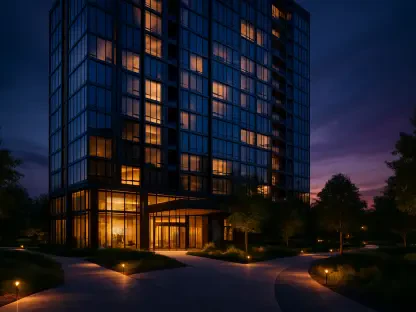
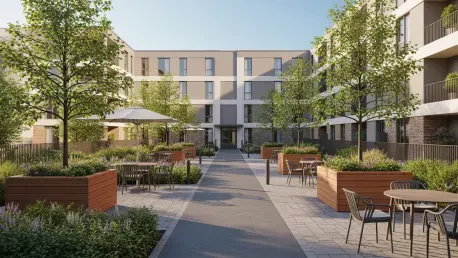
The infrastructure of these new residential complexes relies on a trauma-informed architectural philosophy that balances rigorous security with a welcoming, communal atmosphere. Controlled access points and advanced surveillance systems are standard, yet the design incorporates expansive windows and shared gardens to mitigate the feelings of isolation often felt by those recovering from trauma. Beyond the physical structure, the operational model includes a partnership with specialized service providers who offer twenty-four-hour crisis intervention and legal advocacy. Funding for this endeavor was secured through a combination of city-issued bonds and state-level tax credits, ensuring the project remains financially viable while keeping rents well below market rates for low-income tenants. This multi-layered approach ensures that survivors have immediate access to vocational training and childcare, which are essential components for breaking the cycle of dependency. By situating these developments near public transit hubs, the city also facilitates easier commutes for residents re-entering the workforce or attending academic programs to rebuild their professional lives.
Strategic Integration: Future Goals for Urban Recovery
Looking toward the horizon, the successful launch of this initiative established a blueprint for future public-private partnerships aimed at solving complex social crises. City officials investigated the feasibility of expanding similar modular housing units across the South and West Sides from 2026 to 2029 to meet the rising demand for protected living spaces. Legislators recognized that sustainable recovery required a move away from short-term emergency vouchers toward the permanence of deed-restricted affordable units. Community leaders recommended that future projects incorporate even more comprehensive healthcare facilities on-site to reduce the logistical hurdles faced by survivors with limited mobility or resources. This proactive stance suggested that urban planning must evolve to treat housing as a healthcare intervention rather than just a real estate transaction. By documenting the outcomes of this initial phase, the city prepared to refine its data-driven approach to social welfare. The integration of technology for resident safety and the focus on holistic wellness provided a clear path forward for other major cities grappling with similar challenges in the current decade.