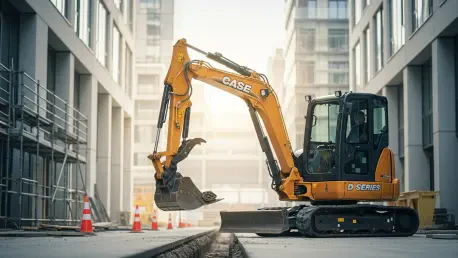

The rapid expansion of urban infrastructure projects across North America has necessitated a fundamental shift toward more agile and high-performing machinery that can navigate tight spaces without sacrificing the breakout force required for heavy excavation tasks. In response to these evolving market demands, the introduction of three new D Series mini excavators designed to bridge the gap between compact portability and full-sized power has transformed the operational landscape. These machines represent a significant leap in engineering, focusing on providing operators with the versatility needed for residential, commercial, and utility applications. By integrating sophisticated hydraulic systems with robust frames, the manufacturer addressed the challenge of performing intensive digging in confined environments. This rollout signals a broader industry trend where the refinement of existing platforms yields substantial gains in productivity and reliability for contractors.
Technological Evolution in Compact Construction
Performance Standards: Enhanced Operational Efficiency and Power
Central to the performance of these new units is the optimization of engine output and hydraulic flow, ensuring that every movement is both precise and powerful. The engineering team prioritized the synchronization of the primary pump with the engine’s torque curve, which allows the excavator to maintain consistent pressure even under significant loads during trenching. This balance improves cycle times for digging and dumping while contributing to a reduction in fuel consumption.
The inclusion of advanced electronic controls enables the system to adjust output based on real-time feedback from the work environment. By focusing on these core mechanical improvements, the design provides a foundation for high-performance work that remains sustainable over long operating shifts. The result is a machine that feels significantly more responsive to subtle operator inputs, allowing for the level of precision required when working around delicate underground utilities or foundations.
Operator Experience: Advanced Controls and Comfort
The interior environment reflects a dedicated effort to reduce operator fatigue and improve situational awareness during complex maneuvers. Large glass surfaces and a streamlined pillar design provide nearly unobstructed views of the workspace, which is essential for maintaining safety standards on busy job sites. Inside the cab, a high-definition color display serves as the primary interface, offering intuitive navigation through various machine settings and performance metrics. This screen allows the operator to monitor hydraulic temperatures and fuel levels at a glance.
Customization is a hallmark of the new control system, allowing users to fine-tune the responsiveness of the joysticks to suit their specific working style. Through the digital interface, operators can program auxiliary hydraulic flow rates for different attachments, ensuring that everything from hammers to augers operates at peak efficiency. These advancements represent functional improvements that directly impact the accuracy and safety of every movement on the field.
Future-Ready Features for Modern Job Sites
Operational Flexibility: Versatility Through Innovative Design
Versatility serves as a core pillar of the D Series philosophy, as evidenced by the wide range of compatible attachments and the ease with which they can be swapped. The inclusion of standard auxiliary hydraulics with quick-connect fittings ensures that contractors can transition from digging to specialized tasks without significant downtime. This flexibility is valuable for smaller firms that rely on a single machine to fulfill multiple roles throughout the lifecycle of a project.
Engineers also considered the transportability of these units, ensuring that weight and dimensions remain within the limits of standard trailers. This makes the machines ideal for rental fleets and contractors who frequently move between multiple sites, providing a mobile solution that does not sacrifice performance. The heavy-duty bushings and pins used in the pivot points are built to withstand the abrasive nature of dirt and gravel, extending the interval between repairs and ensuring the machine remains a reliable asset for long-term fleet management and project success.
Sustainable Management: Strategic Maintenance and Support Solutions
Maintenance accessibility played a pivotal role in the final design, as service points were relocated to ground level to facilitate faster daily inspections. The implementation of telematics systems allowed fleet managers to track machine health remotely, ensuring that preventative maintenance occurred exactly when needed to avoid costly breakdowns. This data-driven approach simplified the logistics of managing multiple units across different locations. Organizations that adopted these models benefited from a comprehensive support network that provided genuine parts and assistance.
The transition toward these digitized maintenance platforms marked a significant shift in how construction equipment was managed throughout its operational life. Fleet owners found that the ability to predict component failure before it occurred transformed their efficiency and reduced unplanned expenditures. Moving forward, the adoption of these D Series units offered a clear pathway to higher profitability. By prioritizing these advanced capabilities, the industry established a new benchmark for what compact machinery should provide in terms of reliability.