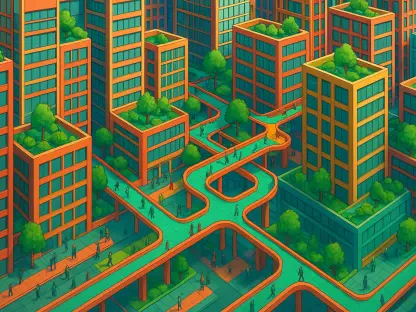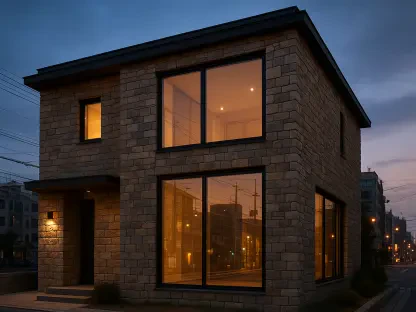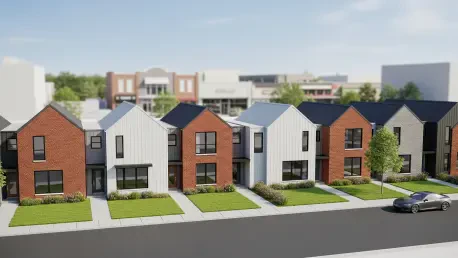

The skeletal remains of long-abandoned industrial giants once defined the skyline of Youngstown, but a new architectural narrative is finally beginning to emerge across the city’s historic East Side neighborhoods. For decades, this specific region struggled with a declining population and a surplus of dilapidated structures that discouraged private investment and depressed property values. However, the current initiative to introduce modern, energy-efficient housing units represents a calculated gamble to reverse these systemic trends by attracting young professionals and stabilizing the tax base. By prioritizing the development of vacant lots that already possess existing utility connections, the city is minimizing the overhead costs traditionally associated with sprawling suburban expansion. This localized approach to urban renewal focuses on high-quality infill projects that respect the existing streetscape while providing the modern amenities expected by today’s buyers.
Targeted Investment: A Catalyst for Neighborhood Growth
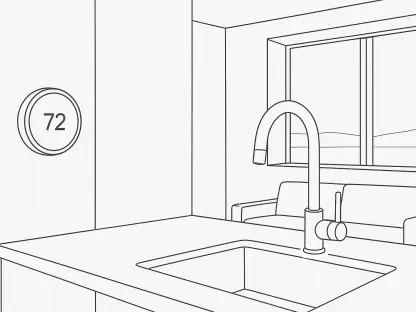
Local government agencies and private investment groups have established a robust framework of financial incentives designed to mitigate the risks inherent in redeveloping distressed urban areas. Through the implementation of fifteen-year property tax abatements and low-interest construction loans, the city has successfully courted developers who previously overlooked the East Side in favor of more predictable suburban markets. These incentives are specifically tailored to encourage the construction of single-family homes that bridge the gap between low-income subsidized housing and luxury developments. By targeting the ‘missing middle’ of the housing market, Youngstown aims to create a diverse socioeconomic landscape that can support a wider variety of local retail and service-based businesses. Furthermore, the integration of smart-home technologies serves as a draw for buyers looking for modern solutions. This strategic scaffolding ensures the first phase leads to development.
This influx of new residents is already beginning to yield tangible benefits for the surrounding commercial corridors that have historically lacked a consistent customer base. As more households move into newly completed units on streets like Himrod and Shehy, the increased foot traffic and local spending power are encouraging small business owners to reopen storefronts that had remained shuttered for years. This economic ripple effect is essential for creating a holistic neighborhood experience where residents can work, shop, and socialize without having to commute to distant shopping centers. Urban planners emphasize that housing alone is not a panacea for urban decay, but it serves as the foundational element upon which all other community improvements are built. When a neighborhood demonstrates a steady increase in occupancy, it sends a powerful signal to national retailers and healthcare providers that the area is a viable location for expansion. The current trend suggests that as residential density increases, essential services will eventually follow.
Structural Stability: Infrastructure and Sustainable Progress
Addressing the physical limitations of the East Side’s aging infrastructure has become a primary focus for municipal engineering departments tasked with supporting new residential growth. High-speed fiber optic internet, upgraded sewage systems, and repaved roadways are being synchronized with housing starts to ensure that the environment can accommodate a modern lifestyle. The city has allocated a significant portion of its capital improvement budget from 2026 to 2028 to modernize the utility grids in areas designated for high-density infill projects. These technical enhancements are critical because today’s homeowners view digital connectivity and reliable public services as non-negotiable requirements when choosing a place to live. Moreover, the removal of blighted structures adjacent to new construction sites has improved safety and aesthetic appeal, fostering a sense of pride among long-term residents and newcomers alike. Infrastructure is a proactive tool for creating a durable environment.
The initial results of the East Side housing initiative demonstrated that a coordinated effort between the public and private sectors could effectively stimulate demand in long-neglected markets. By the end of the first development cycle, stakeholders observed that property values in adjacent blocks began to stabilize, suggesting that the benefits of new construction were spreading throughout the wider community. Moving forward, the city prioritized a permanent housing trust fund to ensure that a portion of the tax revenue generated by new developments was reinvested into home repair programs for existing residents. This proactive policy addressed concerns about gentrification and ensured that the revitalization process benefited all members of the community regardless of their tenure. Leaders also recognized the importance of diversifying types of housing to include townhomes while establishing vocational training programs to involve the local workforce. These steps ensured growth.