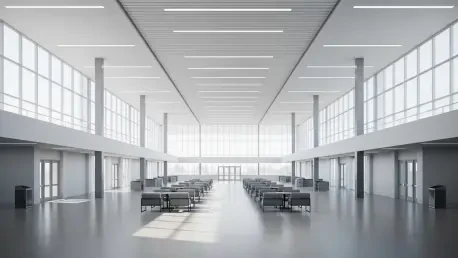

The physical and economic skyline of downtown Greenville is poised for a significant transformation as Turner Construction prepares to lead a massive $282 million modernization effort. Known affectionately as “The Well,” the Bon Secours Wellness Arena has served as a cornerstone of the regional entertainment scene for over a quarter-century. By securing this major contract, Turner Construction—recognized for delivering high-profile projects like the new Buffalo Bills stadium—aims to transition the facility from a functional local venue into a premiere regional destination. This analysis explores how the multi-phase modernization plans to stimulate economic growth, enhance the fan experience, and foster a more inclusive local economy without placing a new financial burden on the residents of the city.
Revitalizing a Landmark: The Ambitions Behind the $282M Investment
Securing a $282 million investment signals a bold commitment to the long-term viability of Greenville’s downtown core. The modernization effort is designed to elevate the venue’s status to compete with major arenas across the Southeast. Rather than focusing on simple cosmetic updates, the project emphasizes a total overhaul of the infrastructure to accommodate modern entertainment standards. The ambition here is clear: to create a facility that not only hosts hockey games but also serves as a primary driver for regional tourism. By upgrading the physical footprint, the city intends to capture a larger share of the national touring market, ensuring that the local economy thrives through increased visitor spending at nearby hotels and businesses.
The Evolution of “The Well”: Historical Context and the Need for Change
Originally opened in the late 1990s, the arena became the home of the Greenville Swamp Rabbits and a hub for community events. However, as the sports and entertainment landscape in the Southeast has become increasingly competitive, aging facilities often struggle to attract top-tier musical acts and major sporting events that require modern technical amenities. Understanding the historical significance of the arena is vital to grasping why this substantial investment is necessary now. In an era where cities like Nashville, Charlotte, and Atlanta are constantly upgrading their infrastructure, Greenville must adapt to remain a viable stop for national tours. This project represents a shift from basic maintenance to a visionary overhaul designed to anchor the growth of the city for the next several decades.
A Comprehensive Blueprint for Modernization and Community Impact
Architectural Enhancements and the Evolution of the Fan Experience
The physical transformation of the arena is centered on a 22,000-square-foot expansion of the concourse level. This structural change is designed to solve long-standing logistical bottlenecks by providing more accessible seating, expanded restrooms, and a wider variety of food and beverage options. Furthermore, the project addresses the needs of performers and athletes by adding 18,000 square feet of back-of-house space, including upgraded dressing rooms and additional loading docks. These behind-the-scenes improvements are critical for attracting high-production concerts that require efficient setup and strike capabilities, ensuring the venue can compete for the biggest names in the music industry.
Fostering Local Equity Through the Turner School of Construction Management
Beyond the steel and concrete, a defining feature of this modernization is the commitment to local economic inclusivity. Turner Construction is implementing its “Turner School of Construction Management” in the region, a free program aimed at empowering small and emerging businesses with the skills needed to compete for major contracts. This initiative aligns with a corporate mandate to direct 20% of subcontracted revenue to local and small businesses by 2028. By prioritizing local contractors and providing educational networking opportunities, the project ensures that the investment circulates within the community, creating jobs and strengthening the local professional ecosystem.
Strategic Financial Modeling and Taxpayer Protection
One of the most critical aspects of the modernization plan is its financial structure. Despite the high price tag, project leadership moved forward with a self-sustaining funding model that utilizes arena revenues, hospitality taxes, and accommodations taxes. This strategy is specifically designed to ensure that Greenville County residents do not face property tax increases to fund the expansion. By leveraging the visitors and tourists who utilize the arena and stay in local hotels, the project creates a “virtuous cycle” where the venue pays for its own evolution, effectively shielding the local taxpayer while still delivering a world-class public asset.
Trends in Urban Development: The Arena as a District Anchor
The modernization of the arena reflects a broader national trend in urban planning where sports facilities are reimagined as the anchors of larger entertainment districts. The addition of a new 6,500-seat outdoor amphitheater is a strategic move that expands the utility of the venue beyond traditional indoor events, allowing the city to capture the growing demand for outdoor summer concert series. As entertainment venues become more integrated into the fabric of downtown life, they drive foot traffic to nearby restaurants, shops, and hotels. Predictions suggest that this district-style development will continue to dominate the industry, as it maximizes the economic impact of a single facility by turning it into a year-round destination.
Actionable Strategies for Sustained Regional Growth
The modernization project offers several best practices for other mid-sized cities looking to revitalize aging infrastructure. First, the integration of educational programs demonstrates that large-scale construction can be a catalyst for workforce development. Second, the use of dedicated hospitality taxes provides a roadmap for funding major projects without alienating the local voter base. For local business owners, the expansion represents a significant opportunity to align their services with the increased foot traffic expected in the downtown area. Professionals in the construction and hospitality sectors should look toward these emerging entertainment districts as high-growth zones for investment and employment over the next five years.
Paving the Way for Greenville’s Next Chapter
The $282 million modernization of the Bon Secours Wellness Arena was more than a simple renovation; it functioned as a calculated investment in the future of the region. By balancing infrastructure needs with a commitment to local economic inclusion and fiscal responsibility, the project set a high standard for how cities grew and competed in the 21st century. As the venue evolved into a multi-use entertainment powerhouse, it served as the primary engine for downtown growth, attracting new visitors and providing a higher quality of life for residents. Ultimately, the success of this endeavor was measured not just by the quality of the new concourse, but by the lasting prosperity it brought to the community it served.