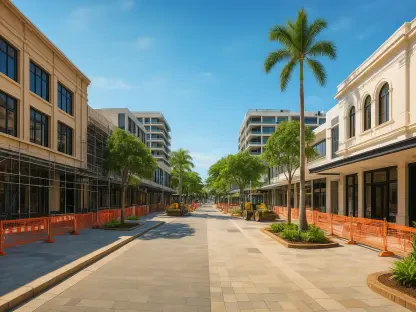
The transformation of a nearly 15-acre plot of land into a dense residential hub represents a shift in municipal priorities toward transit-oriented development and higher-density housing models. At 422 Krenz Avenue, the site of the former Maplewood School, a massive redevelopment project known as Cary Station is poised to redefine the local skyline and social fabric. This $94 million initiative, led by JM Developers, involves the construction of 280 total units, providing a mixture of 13 single-family homes, 15 townhouses, and 16 duplex units intended for purchase. The project also features 236 rental apartment units, which are distributed across three large-scale buildings, with two of these structures reaching a height of five stories. While the village leadership views this as a necessary step toward modernization and economic growth, the proposal has encountered a significant wave of resistance from residents who feel the scale of the project is incompatible with the existing neighborhood.
The Architectural Vision and Demographic Strategy
The architectural strategy behind this development emphasizes a diversified housing stock that aims to accommodate a wide range of residents, from young professionals to seniors looking to downsize. By offering a combination of ownership and rental opportunities, the developers intend to create a multi-generational community that mirrors the evolving needs of the modern housing market. The rental units, housed in the prominent five-story buildings, are designed to cater to those seeking a low-maintenance lifestyle with easy access to regional transit. This high-density approach is a deliberate departure from the traditional suburban model, focusing instead on maximizing the utility of the land while providing various price points for potential residents. The inclusion of single-family homes and townhouses serves as a transitional buffer between the existing low-density neighborhood and the new, more urbanized core of the development, attempting to bridge the gap between two very different styles of living.
Central to the project’s viability is its proximity to the Metra station, which serves as the primary justification for the increased density and the unconventional reduction in on-site parking. Developers argue that the future residents of Cary Station will rely less on personal vehicles and more on public transportation, aligning with a broader trend toward walkable, transit-oriented communities. This strategy is specifically designed to attract a demographic that prioritizes mobility and accessibility over large private lots. By positioning the development as a hub for commuters, the village hopes to stimulate local commerce and increase foot traffic in the downtown area. However, this reliance on transit-oriented logic assumes a permanent shift in commuting habits that not all current residents are convinced will manifest. The success of this demographic strategy hinges on whether the market for high-density suburban living remains robust enough to fill hundreds of units while maintaining the community’s economic stability.
Infrastructure Challenges and Environmental Impact
The request for multiple zoning variances has become a primary point of contention, particularly regarding the reduction of parking spaces from the mandated 531 down to just 350. Residents argue that this nearly 35 percent decrease will lead to an overflow of vehicles onto adjacent narrow streets, creating safety hazards and congestion. Additionally, the proposal seeks to increase density to 18 units per acre and allow building heights that exceed the village’s maximum limit by nine feet. These deviations from standard zoning codes have fueled concerns that the project prioritizes developer profits over the long-term logistical health of the neighborhood. Critics maintain that the infrastructure, originally designed for a quiet school and single-family homes, is fundamentally unequipped to handle such a concentrated influx of residents. The Zoning, Planning and Appeals Board recently provided a 4-2 positive recommendation, yet the dissent within the board highlights the deep-seated skepticism surrounding these variances.
Environmental concerns further complicate the debate, as the transition from grassy fields to impervious surfaces raises significant questions about local water management. The neighborhood is situated in a low-lying area, and many homeowners fear that the massive footprint of the new buildings and paved areas will exacerbate existing flooding issues. Engineers associated with the project have proposed the use of advanced retention ponds designed to mimic natural drainage patterns and regulate the release of stormwater into the system. Despite these technical assurances, skepticism remains high among those who have witnessed the area’s drainage limitations firsthand over the years. The challenge for the developers lies in proving that these man-made solutions can truly offset the loss of natural absorbent soil. As the project moves toward a final decision, the tension between urban expansion and environmental preservation continues to define the public discourse, making the hydrological impact a critical factor in the village’s final assessment.
Economic Framework and Future Development Goals
The financial structure of the Cary Station project involves a complex public-private partnership, including up to $12.35 million in Tax Increment Financing to support its high cost. This arrangement follows a contentious history where the village purchased the property for $5.5 million from the school district, only to later sell it to the developers for the nominal price of one dollar. Proponents of the deal argue that such incentives are necessary to attract large-scale investment and to cover the significant costs of modernizing the site’s infrastructure. The use of TIF funds is intended to pay for itself over time through the increased property tax revenue generated by the new development. However, the optics of selling a multi-million dollar public asset for a single dollar have led to intense public debate regarding fiscal responsibility and the prioritization of developer interests. This financial model places a heavy bet on the project’s long-term success as a catalyst for broader downtown revitalization and increased municipal revenue.
If the Village Board provides final approval, the construction phase is expected to span from 2026 to 2028, coinciding with other major infrastructure improvements in the area. One such project is the extension of Maplewood Road, which is designed to enhance downtown mobility and accommodate the anticipated increase in traffic flow from the new residential core. The synchronization of these projects suggests a comprehensive vision for Cary’s future, one that favors interconnectedness and modern urban planning over the fragmented development patterns of the past. To ensure the project delivers on its promises, the village must establish rigorous oversight mechanisms that hold developers accountable for the promised infrastructure upgrades and environmental safeguards. Moving forward, the focus should be on creating a transparent monitoring system for stormwater management and traffic impact to address resident concerns in real-time. By fostering a collaborative environment where community feedback leads to tangible site adjustments, the village could potentially mitigate the friction between growth and local stability.