
The restoration of Montpelier in Devonshire represents a pivotal moment for Bermuda as the government attempts to reconcile the preservation of a Grade III-listed 18th-century landmark with the rigorous security and lifestyle demands of high-level modern officialdom. This late 18th-century estate, historically the residence for the Deputy Governor, has remained dormant since 2018, leading to a visible decline that sparked intense public debate over its ultimate fate. Recently, the government initiated a formal Request for Proposals to transform this aging structure into a functional asset. The project is not merely a renovation but a significant engineering challenge involving structural additions and technological integration. Success depends on the ability to integrate contemporary comforts without compromising the architectural integrity that earned the property its protected status. Maintaining this balance is essential for the credibility of the island’s heritage policies while ensuring that public funds are utilized to create a residence that is both prestigious and practical for its future high-profile occupants.
Technical Integration: Modernizing an Eighteenth-Century Landmark
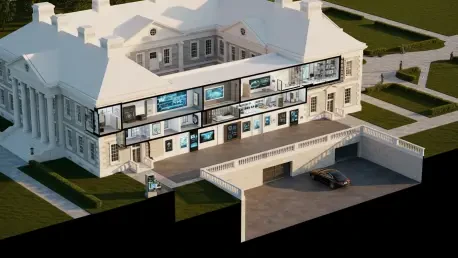
The technical scope of the Montpelier project is ambitious, requiring the construction of an entirely new upper level and a secure car garage while maintaining the aesthetic essence of the original building. Upgrading the roadway system is another critical component, designed to ensure that the residence can accommodate the logistical needs of modern high-ranking officials and their security details. Inside the main house, the transformation will be even more thorough, with a complete replacement of existing kitchens, bathrooms, and bedrooms to incorporate high-end finishes and state-of-the-art building systems. These upgrades are essential for transforming a 200-year-old shell into a living environment that meets current luxury and safety standards. However, every structural change must be executed with extreme precision to avoid damaging the historic masonry or altering the site’s iconic profile, which remains a cornerstone of the Devonshire landscape. The project demands a level of craftsmanship that respects traditional methods while utilizing contemporary materials to ensure the long-term durability of the structure against the local salt air.
Beyond the visible structural changes, the renovation involves a deep integration of modern infrastructure that remains largely hidden from view to preserve the historical ambiance. Electrical systems, climate control, and digital security must be woven into the thick limestone walls, a process that requires specialized engineering to avoid intrusive visible conduits or modern fixtures that clash with the period aesthetic. This infrastructure is not just a luxury but a necessity for any government-sanctioned residence that must provide a secure environment for sensitive administrative work. By prioritizing these invisible upgrades, the government aims to create a building that functions as a high-tech hub while appearing as a preserved piece of Bermuda’s colonial history. This approach requires contractors to be more than just builders; they must act as conservators who understand the nuances of heritage materials. The successful marriage of these two worlds will serve as a blueprint for other government-owned historic sites that currently sit in various stages of neglect, proving that old-world charm and new-world utility can exist in the same space.
Preservation Ethics: Negotiating the Boundaries of Change
Balancing the needs of the state with the expectations of heritage advocates required a series of compromises that significantly shaped the final project parameters. Initially, plans included a swimming pool, which drew sharp criticism from the Bermuda National Trust and the Historic Building Advisory Committee, who argued such an addition would fundamentally ruin the property’s historical context. The eventual removal of this feature served as the turning point for the project, allowing the Department of Planning to grant approval for the necessary “ancillary” works. This process highlighted the ongoing friction between the desire for modern amenities and the obligation to safeguard Bermuda’s physical history. By focusing on the minimum interventions required for functionality, the government managed to appease conservationists while still pushing forward with a plan that ensures the building does not fall further into ruin. This consensus-building was vital for the project’s legitimacy, ensuring that the final result is a restoration rather than a complete rebuild that wipes away the site’s unique identity.
The debate over Montpelier also reflected broader community concerns, particularly from groups like the Kaleidoscope Arts Foundation, which had previously expressed interest in utilizing the space for public or community-based initiatives. While the government ultimately decided to retain the property as a restricted-use official residence, the conversation forced a re-evaluation of how state-owned heritage assets are prioritized. The choice to invest in Montpelier signals a commitment to maintaining the physical links to Bermuda’s governance history, even when the financial and logistical costs are higher than building anew. This decision underscores the philosophy that historic buildings are not merely static monuments but evolving structures that must be given a modern purpose to survive. The scrutiny from local organizations ensured that the renovation would be held to the highest standards of accountability. Moving forward, this level of public engagement should be viewed as a standard requirement for major heritage projects, as it ensures that the collective identity of the community is reflected in the physical preservation of its most important landmarks and buildings.
Strategic Execution: Establishing a Future for Heritage Assets
The successful revitalization of Montpelier depended on the selection of contractors who demonstrated an exceptional understanding of both 18th-century construction and 21st-century technological requirements. Interested parties were invited to a mandatory site visit on May 12, allowing for a thorough assessment of the property’s condition before the final submission deadline on June 2, 2026. This rigid timeline was established to ensure that the revitalization process began without further delay, preventing additional structural deterioration. By requiring such detailed proposals, the government ensured that the selected team possessed the specialized skills necessary to handle delicate lime-based materials and complex structural reinforcements. These professionals were tasked with creating a sustainable maintenance plan that would protect the investment for decades to come, moving beyond the short-term goal of initial renovation. This strategic approach provided a clear roadmap for how Bermuda could manage its aging property portfolio by turning liabilities into functional, high-value assets that contribute to the island’s administrative efficiency.
The lessons learned from the Montpelier project offered a vital perspective on the future management of historic government properties across the island. By prioritizing structural integrity and functional modernization over non-essential luxury additions, the project established a sustainable model for heritage conservation that balanced public sentiment with operational needs. Future initiatives should look to this case as proof that early engagement with conservation groups and detailed planning can mitigate the risks associated with modernizing listed buildings. It was discovered that the key to long-term success lay in viewing these properties as living environments rather than museum pieces, necessitating a flexible approach to design that respected the past while serving the present. Moving forward, the government was encouraged to implement a proactive maintenance schedule for all Grade III-listed sites to avoid the high costs of emergency restoration. This proactive stance would ensure that Bermuda’s architectural history remained a vibrant and usable part of the national landscape, rather than a collection of decaying ruins that required massive capital injections to save.