
The use of makeshift formwork systems has been identified as a critical factor in the structural bulging and misalignments found across several recently constructed Metro stations. This revelation comes from a comprehensive audit conducted by the Comptroller and Auditor General (CAG) of India, which scrutinized the execution of Phase 1 and Phase 2. Working alongside technical consultants from the Indian Institutes of Technology in Delhi and Madras, the audit highlighted a significant gap between design specifications and on-site reality. The Bangalore Metro Rail Corporation (BMRCL) is now under intense scrutiny for its handling of massive projects that serve millions. While the scale of the expansion is impressive, the audit suggests that engineering standards were frequently sidelined in favor of rapid progress. This systemic failure underscores a troubling inconsistency in quality control protocols, raising questions about whether the management structure is equipped to oversee safety during this era of growth.
Technical Oversight and Remediation Strategies
Evaluating Engineering Responses: Durability Concerns
A deep professional rift has emerged regarding the long-term effectiveness of the structural repairs implemented at several elevated stations. The BMRCL has defended its use of high-pressure grouting and surface grinding to correct visual defects like honeycombing and bulging walls at locations such as Chikkabidarakallu. The corporation argues that its quality control measures are sufficient and even expressed optimism that certain micro-cracks would eventually “self-heal” through natural chemical processes. In stark contrast, technical experts from IIT Delhi have expressed grave concerns about the structural integrity of these modified components. They argue that secondary repairs can never fully restore the load-bearing capacity that was lost due to poor initial curing and defective molding. These lapses in the early stages of construction are predicted to significantly shorten the total design life of the transit system, potentially leading to exorbitant maintenance costs that were never factored into the original budget.
Subsurface Complications: Managing Underground Infrastructure
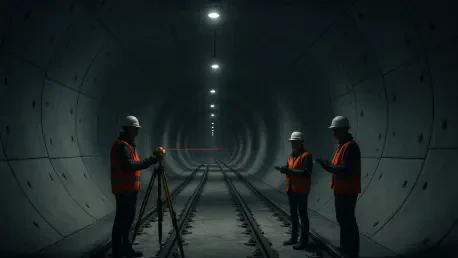
The audit also directed critical attention toward the project’s underground segments, where complex engineering is required to navigate the city’s dense subterranean environment. Between Vellara Junction and Shivaji Nagar, inspectors discovered significant misalignments and cracks within the concrete tunnel lining rings. These defects have allowed water ingress, which poses a long-term threat to the electronic and mechanical systems housed within the tunnels. While the BMRCL initially responded by withholding approximately ₹10 crore in penalties from the responsible contractor, the CAG found that the administrative follow-through was lacking. The process for finalizing these financial deductions remained incomplete, creating a situation where there was no real accountability for the substandard workmanship. This lack of administrative rigor suggests the project management team struggled to enforce contractual obligations, effectively allowing contractors to move forward without correcting the root causes of these failures.
Accountability and Site Management Challenges
Safety Benchmarks: Addressing Operational Hazards
Ensuring operational safety for both the workforce and the general public has become a focal point of the audit’s criticism. Site inspections at major junctions, including Jayadeva Hospital and Nagasandra, revealed a disregard for basic safety protocols that should be standard in modern urban construction. Auditors observed stairs without handrails and unbarricaded platform edges positioned directly above busy thoroughfares, creating imminent risks for falls or falling debris. The BMRCL’s strategy of relying on monetary fines to penalize these safety violations was labeled as insufficient by the auditing body. Experts argued that small cash penalties serve as a poor deterrent for large-scale contractors and cannot compensate for the potential loss of life or the long-term impact of severe injuries. There is a growing consensus that safety must be integrated into the construction culture through constant site monitoring and immediate work stoppages rather than being treated as a minor financial penalty.
Quality Disparities: Standardizing Construction Methods
One of the most glaring issues highlighted by the CAG report is the massive disparity in construction quality between different packages of the Metro project. While certain stations like Nagawara and MG Road received high marks for using approved, high-quality formwork that resulted in superior structural finishes, other locations like the BIEC station were flagged for using unapproved, makeshift arrangements. This lack of uniformity indicates that quality control is being applied sporadically rather than as a universal mandate across the entire network. For the Bengaluru Metro to function as the city’s reliable infrastructure backbone, the corporation must shift its focus from reactive, localized fixes to a proactive, standardized approach. This would involve a total overhaul of how construction materials are vetted and how on-site execution is supervised by independent third parties. Without a move toward rigorous standardization, the city risks inheriting a fragmented transit system where some segments are robust while others require intervention.
Future Considerations: Toward a Resilient Transit Framework
Implementing Advanced Monitoring: Digital Oversight Solutions
The findings of the CAG audit demanded a fundamental shift in how large-scale urban infrastructure projects were managed in the region. Moving forward, the implementation of a real-time, digital twin monitoring system provided the transparency needed to catch structural misalignments before concrete was even poured. This technology allowed engineers to compare the physical site against the digital design in real-time, ensuring that formwork and reinforcements met every exact specification. By utilizing 3D scanning and sensor-integrated molds, the project team was able to identify bulging or shifting in the formwork during the casting process itself. This shift from manual inspection to automated, data-driven oversight ensured that the errors found in previous phases were not repeated. Such systems were essential for maintaining the rigorous precision required for high-speed transit infrastructure, effectively removing the human error associated with makeshift equipment and ensuring every station met standards.
Establishing Independent Authority: Quality Assurance Frameworks
Additionally, the BMRCL needed to establish an independent quality oversight board that operated entirely outside the influence of project timelines or contractor pressure. This body ensured that safety and structural integrity were prioritized over meeting aggressive completion dates, providing a necessary check on the corporation’s internal management. The new framework included mandatory third-party audits for every major structural pour and a transparent reporting system for all safety violations. By adopting these advanced oversight mechanisms and strictly enforcing financial penalties that actually impacted contractor profitability, the city moved toward a future where transit safety was guaranteed. These steps were essential to restoring public confidence and ensuring that the Metro remained a safe, durable asset for generations to come. The transition to this rigorous accountability model marked the beginning of a more mature phase in the city’s infrastructure development, where quality became the primary metric of success.