
To combat the permanent loss of single-family housing stock, the board is considering a strategy that concentrates student populations into specific high-density corridors near campus. Led by Chair Doug Marshall, the Amherst Planning Board recently convened to navigate the complex friction between evolving state housing mandates and the preservation of local neighborhood stability. The meeting highlighted a dual-pronged approach intended to manage the town’s demographic pressures while securing its long-term fiscal health. By focusing on tighter oversight of Accessory Dwelling Units and identifying zones for vertical residential expansion, the board is attempting to create a sustainable roadmap for growth. This strategy is seen as essential in an environment where the demand for housing is increasingly influenced by large-scale rental investments rather than individual homeowners. The board emphasized that without these strategic interventions, the traditional character of the community risks being permanently altered by unmanaged development patterns that do not serve the broader public interest or the local economy.
Addressing the ADU Loophole: Seeking State Exemptions
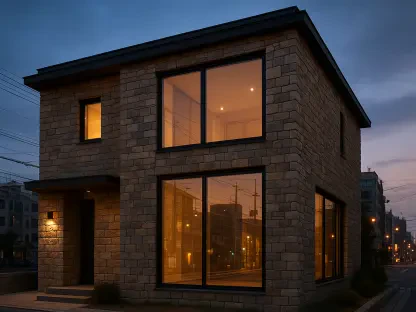
A significant portion of the debate centered on the perceived exploitation of current state-level Accessory Dwelling Unit bylaws, which have historically been intended to support elderly relatives or provide low-income housing options. In Amherst, however, the board observed a surge in applications for large-scale units specifically designed for the high-yield student rental market, often bypassing local size restrictions and undermining the concept of “gentle density.” To address this, the board is seeking a legislative exemption similar to those granted to seasonal communities in the Cape and Islands, arguing that Amherst’s unique demographic shifts require specialized oversight. Regaining local control over the approval process would allow the town to enforce a strict 900-square-foot limit on these units. This measure is intended to prevent the construction of massive additions that overwhelm existing residential structures and increase the intensity of use in quiet neighborhoods beyond their intended capacity.
Bridging the gap between local requirements and state policy necessitates active engagement with state representatives to advocate for a more nuanced understanding of Amherst’s socioeconomic profile. Board members discussed the importance of presenting a unified front to lawmakers, emphasizing that the town is not anti-growth but rather in favor of smart, managed development. While some administrative staff suggested a more cautious approach, potentially waiting for the resolution of pending lawsuits regarding zoning appeals elsewhere in the state, the board chose to remain proactive in its legislative efforts. They argued that the risk of waiting is too high, as every month brings new applications that could permanently transition owner-occupied homes into commercial-grade rental properties. By pursuing these exemptions now, the board aims to safeguard the town’s housing diversity and ensure that future developments contribute positively to the neighborhood fabric rather than detracting from the stability that current residents expect.
Balancing Student Housing: Neighborhood Integrity Concerns
During the deliberations, a dissenting but constructive perspective emerged regarding the overall utility of Accessory Dwelling Units in the broader housing market. Some members noted that while small-scale units might be less efficient than large apartment complexes, every additional bed added to the inventory helps to alleviate some degree of market pressure and could potentially lower costs over time. However, the prevailing consensus among the board remained that the long-term impact of these conversions is rarely reversible. Once a traditional single-family home is converted into a high-density multi-unit rental property, it almost never reverts to its original use as a primary residence for a local family. This permanent shift creates a cumulative effect that alters the demographic makeup of entire streets, leading to concerns about the erosion of community cohesion. The challenge lies in finding a balance that supports the necessity of housing growth without sacrificing the integrity of the town’s established residential zones.
The board also tackled the recurring paradox within the community where residents often voice strong opposition to both small-scale additions and large-scale residential developments. This localized resistance often coincides with a public expectation that the university should take the lead in solving the housing crisis independently. Such conflicting pressures have forced the Planning Board to look beyond simple restrictions and toward a more comprehensive compromise that satisfies the intense demand for student accommodations. The goal is to prevent rental properties from continuing their “creep” into every corner of the town by providing designated areas where such growth is not only permitted but encouraged. By channeling the demand into specific high-activity zones, the board hopes to reduce the incentive for investors to target quiet suburban neighborhoods. This approach acknowledges the reality of the rental market while providing a clear boundary that protects the core residential areas from being overwhelmed by the university’s expanding footprint.
Strategic Rezoning Plans: High-Density Growth Corridors
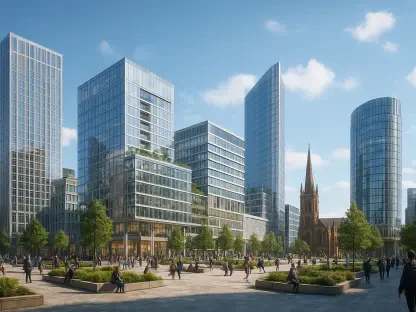
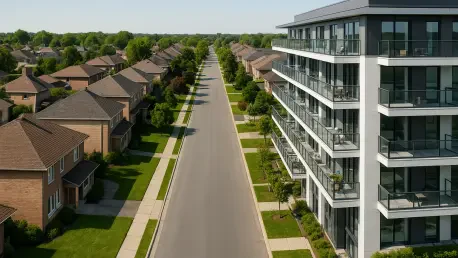
Recognizing that restrictions alone cannot solve the underlying housing shortage, the board introduced a significant plan to rezone specific corridors situated near the UMass campus. By transitioning select areas currently designated as “General Residential” into high-density zones, the town could theoretically accommodate modern five-story residential buildings. This move is strategically designed to concentrate the student population in areas that are already infrastructure-ready and capable of handling higher pedestrian and vehicular traffic. Targeted corridors for this transformation include North and East Pleasant Streets, as well as the neighborhoods situated directly north of Fearing Street. These locations are ideal for vertical expansion because they offer proximity to campus and minimize the need for students to commute through lower-density residential tracts. The board believes that by facilitating massive expansion in these specific areas, they can meet the regional housing goals while preserving the quiet nature of more distant suburban neighborhoods.
A key component of this rezoning strategy involves the implementation of an “overlay district,” which serves as a flexible planning tool allowing for significant residential growth while permitting existing homes to remain as they are. This hybrid approach provides property owners with options rather than mandates, creating a path for redevelopment that is both organic and structured. Beyond managing population distribution, this strategy is also a vital component of the town’s fiscal health. Unlike the university’s property, which is largely tax-exempt, these new high-density residential developments would be fully taxable, providing a necessary boost to the municipal budget. This revenue is essential for maintaining local services, infrastructure, and schools, which face increasing pressure as the regional population grows. By aligning zoning policy with fiscal objectives, the board is attempting to create a win-win scenario where the town benefits from the economic activity generated by the housing demand while maintaining a stable and predictable tax base for all residents.
Long-Term Development: Vision for Amherst Governance
The shift toward supporting vertical growth represents a decisive strategic pivot for the future of Amherst’s governance and urban design. By identifying specific corridors for massive residential expansion, the Planning Board is seeking to shield the broader community from the negative externalities of unregulated rental growth. This “concentrated growth” model is intended to ensure that the town remains a viable place for middle-income residents and the local workforce to live, rather than becoming a landscape dominated exclusively by luxury student rentals. The board recognized that the vitality of the local economy depends on maintaining a diverse population that includes families, professionals, and retirees. By creating high-density hubs, the town can absorb the bulk of the housing demand in a way that is environmentally sustainable and socially responsible. This vision for development prioritizes the preservation of the town’s historical character while embracing the modern realities of being a major educational hub in the twenty-first century.
In the final stages of the meeting, the board committed to drafting a formal rezoning proposal that outlined these specific changes for a comprehensive public review process. They moved to balance immediate legislative lobbying for local control with the long-term goal of fast-tracking developments that aligned with the town’s broader revenue and housing targets. Through these proactive measures, Amherst leaders attempted to reclaim the narrative of their town’s development, ensuring that local voices remained central to the decision-making process. The board successfully identified a path forward that recognized the inevitability of growth while providing the tools necessary to manage its impact on the community’s social and physical infrastructure. These actions were viewed as the first steps in a multi-year effort to stabilize the local housing market and protect the long-term interests of the town’s permanent residents. Future sessions were scheduled to refine the technical aspects of the overlay districts and to initiate further dialogue with state-level housing authorities.