
The pursuit of the perfect carbonated beverage has moved beyond simple plastic countertop machines and into the realm of high-end industrial engineering integrated directly into residential kitchen islands. This shift signifies a growing demand for commercial-grade experiences within the privacy of the home, where the standard of luxury is no longer defined by a simple espresso machine but by a fully integrated beverage center. While a five-thousand-dollar investment in a soda fountain might appear extravagant to the average consumer, proponents argue that the quality of the output and the long-term environmental benefits justify the initial outlay. These systems utilize advanced chilling plates and high-pressure carbonators that maintain a level of fizz often lost in bottled alternatives. However, the decision to install such a system requires a deep understanding of the technical requirements and a realistic assessment of consumption habits. The intersection of engineering and lifestyle convenience remains a focal point for modern interior design.
Technical Sophistication: The Mechanics of High-End Carbonation
At the heart of a high-end home soda fountain lies a complex network of pumps, cooling coils, and mixing valves that must function in perfect harmony to produce a consistent drink. Unlike consumer-grade devices that rely on manual carbonation via small CO2 canisters, professional-grade systems utilize large, high-pressure tanks and sophisticated cold plates. The cold plate is a substantial block of aluminum with embedded stainless steel tubing that uses ice or a dedicated refrigeration unit to chill the water and syrup as they move toward the dispensing head. This rapid cooling process is essential because colder water absorbs and retains carbon dioxide more effectively, ensuring that the final product does not go flat within minutes of being poured. Furthermore, the ability to calibrate the Brix ratio allows for a level of customization that is impossible with pre-packaged cans. This precision engineering ensures that every glass served meets the exact specifications of a premium beverage experience for everyone.
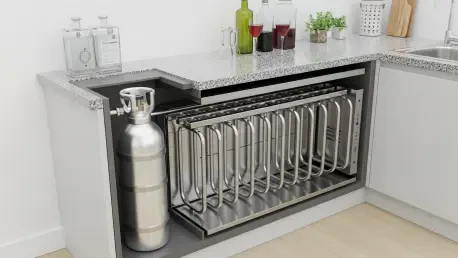
The physical footprint and installation requirements of these systems represent a significant hurdle that distinguishes them from portable kitchen gadgets. A standard commercial-style setup requires a dedicated water line with a high-quality filtration system to ensure that chlorine or mineral deposits do not interfere with the flavor profile. Additionally, the housing for the carbonator, the cooling unit, and the syrup boxes typically demands a substantial amount of under-counter space, often requiring custom cabinetry modifications. Venting is another critical consideration, as the refrigeration components generate heat that must be dissipated to maintain efficiency and prevent hardware failure over time. For homeowners, this means coordinating with plumbers and specialized technicians who understand the nuances of beverage line pressure and gas safety protocols. While the complexity of the installation adds to the total cost, it also ensures a level of reliability and output volume that can handle large social gatherings with ease.
Economic Viability: Sustainability and Financial Realities
When analyzing the fiscal responsibility of a five-thousand-dollar soda system, one must consider the transition from a model of individual waste to a more sustainable bulk consumption approach. The traditional reliance on aluminum cans and plastic bottles contributes significantly to household waste streams, even when recycling programs are utilized effectively. By utilizing five-gallon syrup concentrates and large CO2 cylinders, a home fountain system drastically reduces the volume of packaging material entering the home. Over a period spanning from 2026 to 2030, the cost per ounce of beverage becomes significantly lower than purchasing premium bottled sodas or sparkling waters. However, the break-even point remains distant for low-volume users, making this primarily an investment for high-consumption households or those who frequently host events. The initial capital expenditure is not merely for the liquid itself but for the elimination of the logistics associated with frequent grocery trips and storage.
The choice to adopt professional-grade carbonation technology in a domestic setting relied on a comprehensive strategy that prioritized long-term maintenance and supply chain management. Successful owners established relationships with commercial gas distributors to secure reliable CO2 refills at a fraction of the cost of retail cartridges. They also implemented a monthly sanitation schedule to ensure that the lines remained free of debris, which preserved the flavor integrity of the beverages. These proactive steps transformed a potentially cumbersome appliance into a seamless part of the kitchen infrastructure. Looking toward the future, architects began incorporating dedicated beverage closets into floor plans to accommodate the necessary plumbing and ventilation. By treating the installation as a permanent utility rather than a luxury toy, homeowners mitigated the risks of mechanical failure and ensured a high return on lifestyle enjoyment. This methodical approach provided a clear roadmap for anyone considering a high-end beverage system.