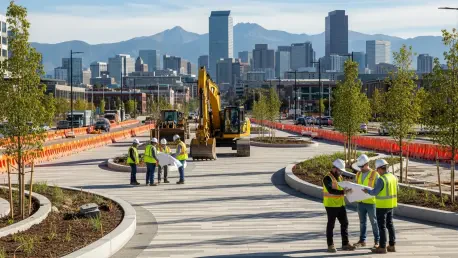

The skyline of Denver is currently defined not just by the jagged silhouettes of the Rocky Mountains, but by a bold, $950 million vision for urban renewal that seeks to redefine the very fabric of the Mile High City. This massive public investment, known as the Vibrant Denver Bond, was approved in late 2025 and is now entering its critical implementation phase, signaling a departure from traditional, piecemeal urban planning. By focusing on 58 distinct projects that span across infrastructure, public health, and social connectivity, the initiative represents a high-stakes bet on the city’s long-term resilience and livability. This is not merely a collection of road repairs and park upgrades; it is a comprehensive strategy designed to bridge the historical gaps between Denver’s disparate neighborhoods while modernizing the essential systems that keep the city functional. As construction begins to ripple through the urban landscape, the bond stands as a testament to the idea that a city’s physical growth must be a collaborative achievement between technical experts and the people who walk its streets every day.
The Intersection of Function and Aesthetic Design
Modern urban environments demand more than just visual appeal, and the Vibrant Denver Bond places landscape architecture at the center of this functional evolution. While a casual observer might mistake these efforts for simple gardening or cosmetic beautification, the discipline is actually a rigorous field that balances artistic expression with high-stakes utility. Every plaza, park, and streetscape funded by this initiative must navigate a complex web of invisible requirements, such as sophisticated stormwater management systems that prevent urban flooding during the region’s intense summer storms. These projects are also engineered to house essential subterranean utilities while simultaneously mitigating the “urban heat island effect” through the strategic placement of native vegetation and permeable surfaces. The challenge for today’s designers is to integrate these utilitarian demands into a seamless aesthetic experience that invites social interaction, ensuring that a space is as efficient at managing a 100-year flood as it is at hosting a local farmers’ market.
Beyond the technicalities of drainage and heat mitigation, the bond serves as a primary catalyst for a more connected and accessible urban realm. The 58 projects are strategically distributed to enhance pedestrian safety and ensure that public parks are within reach of diverse populations, regardless of their zip code. By investing in resilient infrastructure, Denver is preparing for the environmental pressures of the future, such as prolonged droughts and shifting weather patterns, while supporting the daily rhythms of modern urban life. This approach treats the city as a living organism where the physical and social links between neighborhoods are strengthened through thoughtful design. When a new bike path connects a previously isolated community to a central transit hub, or a neighborhood park is retrofitted with accessible equipment, the result is a more inclusive city. This philosophy ensures that the growth fueled by the bond is sustainable and equitable, providing a foundation for a high quality of life that extends well beyond the current construction cycle.
Cultivating Progress Through Public Engagement
A fundamental shift in Denver’s development philosophy is the transition from top-down administrative mandates to a democratic, community-driven approach that prioritizes local voices. Led by the Denver Department of Finance, the selection of the bond’s projects followed an intensive six-month period of public outreach that successfully engaged over 6,200 survey respondents and more than 1,100 town hall participants. This level of transparency was essential to ensure that the nearly $1 billion investment was directed toward the areas with the most significant needs rather than simply following the path of least resistance for planners. By involving residents early in the process, the city has managed to navigate the common challenge of “engagement fatigue,” where citizens feel overwhelmed by the demand for their time. This collaborative model transforms the bond from a bureaucratic document into a shared vision, where the people who use these spaces every day have a direct hand in determining their ultimate form and function.
The tangible benefits of this public participation are most clearly seen in how individual feedback can fundamentally alter a project’s trajectory and cultural significance. A prime example occurred during the redesign of the Civic Center Plaza, where a stakeholder from a local theater group raised concerns about the accessibility of the Greek Theater. This single observation led to a complete reimagining of the space, eventually resulting in the “Gang of 19 Memorial,” which honors the 1978 disability rights activists who protested at that very location. This case study illustrates how community voices can transform standard infrastructure—like a ramp or an elevator—into a meaningful cultural landmark that resonates with local history and identity. It proves that even the smallest suggestion from a resident can turn a functional construction project into a powerful monument, ensuring that the city’s physical evolution remains grounded in the lived experiences and historical struggles of its diverse population.
Transparency and the Shared Responsibility of Growth
As Denver moves deeper into the execution phase of these projects, maintaining public trust through absolute transparency has become a top priority for city officials. Modern digital tools, such as interactive project dashboards and real-time electronic newsletters, now allow residents to track the progress of each bond-funded site with unprecedented detail. This multidisciplinary collaboration between landscape architects, communications experts, and city planners ensures that the “vibrancy” of the city is not just a buzzword but a measurable metric of success. Residents can see exactly how their tax dollars are being used, from the initial soil testing to the final planting of trees. This level of openness is designed to demystify the construction process, helping citizens understand that the temporary inconveniences of road closures and dust are the necessary precursors to long-term improvements in public health, safety, and neighborhood connectivity across the city.
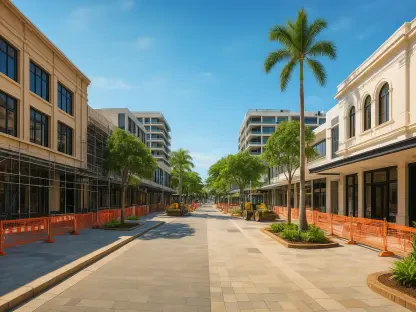
The physical manifestation of the bond—signified by the orange tape and heavy machinery currently visible throughout the city—should be viewed as a sign of a healthier and more integrated future. The City of Denver has reframed this construction period not as a nuisance to be endured, but as a shared journey where every neighbor acts as a co-designer of their own environment. This social contract encourages residents to remain active in the feedback loop, attending neighborhood meetings and contributing to the ongoing dialogue about how these spaces should be maintained and utilized. To ensure the success of these investments, citizens should continue to utilize the city’s digital tracking tools and participate in local design workshops for the remaining project phases. By staying informed and engaged, the people of Denver can ensure that the “soul” of their city remains as functional as it is beautiful, turning a series of construction sites into a legacy of shared progress and enduring urban resilience.