
The traditional metrics of luxury, once defined by the sheer scale of an infinity pool or the industrial power of an outdoor kitchen, have been superseded by a more discerning requirement known as material literacy. In the contemporary architectural landscape, the prestige of a residence is no longer measured solely by visible wealth but by the sophistication of the surfaces that define its exterior boundaries. Material literacy suggests that the most successful outdoor environments are those where every texture and finish feels native to its surroundings rather than being an alien imposition upon the landscape. By prioritizing a deep, technical understanding of how different elements interact with the natural world, designers are now creating spaces that function as seamless, atmospheric extensions of the home’s interior. This shift represents a move toward a higher form of design intelligence, where the visual pedigree and long-term performance of a material are valued far above the fleeting appeal of mass-produced trends. In 2026, homeowners are increasingly viewing their external environments as living galleries, where the ground beneath their feet is expected to carry as much narrative weight as the architecture itself.
Authentic luxury in outdoor design is also being redefined by the chronological evolution of a space, specifically through the critical distinction between patina and degradation. While common, synthetic materials often lose their visual appeal as they weather—becoming brittle or faded—handcrafted surfaces are engineered to age with a specific kind of grace. This design philosophy treats the outdoor surface as a living component of the landscape, capable of absorbing the passage of time without losing its structural or aesthetic integrity. By selecting materials that develop depth and character through exposure to the elements, property owners ensure that their environments gain a sense of history and visual authority that cannot be replicated by industrial alternatives. This commitment to “living” materials transforms the outdoor area from a static installation into a maturing ecosystem, where the natural effects of sunlight and rain are viewed as aesthetic enhancements rather than liabilities to be mitigated through constant maintenance.
The Intersection of Performance and Artistry
Balancing Technical Rigor: Artistry as a Unified Brief
Historically, architects and landscape designers were frequently forced to navigate a frustrating trade-off between the rugged durability required for exterior exposure and the delicate beauty of artisanal craftsmanship. High-performance tiles and pavers often lacked the soul and tactile variation that high-end clients demanded, while beautiful hand-carved or glazed options often failed under the stress of thermal shock and moisture. Today, however, the new standard of luxury requires that these two factors exist as a single, unified brief rather than competing interests. By engineering material collections specifically for outdoor use from their very inception, manufacturers are building technical specifications like UV stability and slip resistance directly into the DNA of products that look and feel like ancient stone or handmade ceramic. This evolution ensures that artistry never comes at the expense of longevity, allowing for a creative freedom that was previously restricted to climate-controlled interior environments.
Achieving this delicate balance requires the utilization of high-quality mediums, such as advanced porcelain and dense minerals, that can mimic a wide array of historical textures while remaining structurally invincible. With the ability to offer over 1,000 variations in shape, finish, and pigmentation, modern material literacy allows for a visual vocabulary that is both broad and deep. This technical foundation ensures that the “under-the-surface” quality of a project is just as sophisticated as its outward appearance. When performance and artistry are treated as equal priorities, the resulting outdoor space becomes a permanent architectural investment rather than a temporary aesthetic upgrade. This approach allows designers to specify materials that hold their own against the most rigorous modern building codes while maintaining the irregularities and “perfect imperfections” that characterize luxury artisan goods. Consequently, the boundary between the rugged outdoors and the refined indoors continues to blur, creating a cohesive living experience that is as durable as it is beautiful.
The Evolution of Craft: Merging Tradition with Modernity
The shift toward material literacy is not merely a technical advancement but a cultural reclamation of artisanal heritage that had been sidelined during the era of mass production. Modern manufacturing processes have now reached a level of maturity where they can replicate the nuance of traditional masonry while imbuing it with twenty-first-century resilience. This marriage of tradition and technology allows for the creation of surfaces that possess the weight, texture, and light-reflecting properties of historical materials like reclaimed limestone or Moroccan zellige, but with the consistent density required for modern load-bearing applications. Designers are no longer limited to a small palette of “safe” exterior options; instead, they are empowered to use materials that tell a story of global craftsmanship, from the geometric complexity of Islamic tilework to the weathered elegance of European bluestone, all while meeting the uncompromising standards of contemporary engineering.
Furthermore, the integration of these artisanal textures into the broader landscape plan serves to ground a property in its specific geographical context. When a surface feels as though it was sourced from the very earth it sits upon, it creates a sense of “place-making” that is a hallmark of true luxury. This level of detail requires a designer to understand the mineral composition of the surrounding terrain and select materials that echo those tones and textures. It is no longer enough for a patio to be functional; it must be a curated experience that engages the senses. The touch of a cool, sand-blasted surface or the visual rhythm of a hand-laid mosaic adds a layer of intellectual and sensory luxury that goes beyond mere decoration. By investing in materials that carry this kind of visual and historical authority, homeowners are effectively future-proofing their estates against the transience of design fads, opting instead for a timelessness that is rooted in the very fabric of the building materials themselves.
Engineering for the Elements
Mastering Climate Challenges: The Science of Surface Survival
The technical side of material literacy centers on three primary environmental challenges that have long plagued outdoor architecture: thermal cycling, solar exposure, and liquid penetration. In climates where temperatures fluctuate significantly between day and night, or across seasons, moisture infiltration remains the leading cause of surface failure. When water enters a porous material and freezes, the resulting expansion causes internal fractures that eventually lead to spalling or complete structural collapse. To combat this, the new standard for luxury outdoor surfaces involves meeting incredibly strict standards for freeze-thaw resistance, typically requiring water absorption rates below 0.5%. When these low-porosity materials are paired with advanced polymer-modified adhesives and professional-grade waterproofing membranes, they remain structurally intact through the harshest winters, providing a level of reliability that was once impossible for artisanal finishes.
Beyond simple structural integrity, the long-term visual health of a project depends heavily on its resistance to the sun’s ultraviolet radiation. High-energy UV rays can quickly strip the pigment from inferior materials, leading to a “chalky” or washed-out appearance within just a few years of installation. Utilizing “through-body” porcelain—where the mineral pigments are consistent throughout the entire thickness of the tile rather than just a surface glaze—ensures that deep earth tones and rich ochres remain vivid for decades. This level of color permanence is essential for maintaining the visual authority of a luxury property. Simultaneously, these surfaces must be engineered to provide adequate grip without sacrificing their high-end feel. By adhering to rigorous Dynamic Coefficient of Friction (DCOF) standards, specifically the DCOF Acutest requiring a minimum of 0.42 for level surfaces, designers can ensure that even the most beautiful pool surrounds remain safe for residents and guests, effectively marrying safety with high-concept design.
Structural Integrity: Innovations in Installation and Longevity
The durability of a luxury outdoor space is not determined solely by the material itself, but by the synergy between the surface and the underlying substrate. Modern material literacy extends to the installation methods, where engineers now utilize specialized drainage systems and decoupling mats to manage the physical stresses of the outdoor environment. These systems allow for the natural expansion and contraction of materials without transferring that stress to the tiles, preventing the unsightly cracking that often ruins high-end stone installations. In 2026, the focus has moved toward a holistic “system” approach, where the tile, the mortar, the grout, and the substrate are all selected to work in unison. This technical rigor ensures that the aesthetic vision of the architect is protected against the inevitable shifts of the earth and the pressures of the climate, creating a finished product that is as stable as it is visually compelling.
Moreover, the advancement of chemical engineering has led to the development of high-performance grouts and sealants that are virtually indistinguishable from traditional lime mortars but offer superior resistance to staining, mold, and chemical erosion. This is particularly relevant in the context of saltwater pools and outdoor dining areas, where traditional materials would quickly degrade under the influence of chlorine or acidic spills. By utilizing these invisible technical upgrades, a designer can maintain the “old-world” charm of a weathered courtyard while providing the “new-world” convenience of a surface that requires minimal upkeep. This invisible engineering is the true silent partner in outdoor luxury, allowing the beauty of the material to take center stage while the science of the installation provides a lifetime of worry-free performance. The result is a landscape that looks effortless but is supported by a foundation of absolute technical precision.
Context-Responsiveness and Spatial Narrative
Connecting Surfaces: Historical Depth and Natural Settings
A hallmark of exceptional outdoor design is context-responsiveness, or the inherent sense that a surface grew naturally from its environment rather than being transported there by a supplier. This is achieved by drawing from diverse architectural and masonry traditions, such as the heavy clay brickwork of North Africa or the light-catching, worn surfaces of antique Belgian bluestone. These collections are not mere imitations; they represent a sophisticated engagement with global material culture. By utilizing materials that echo the weight, density, and texture of historical masonry, designers can create contemporary installations that feel deeply grounded in their specific location. Whether it is a Mediterranean-style hillside terrace or a minimalist urban courtyard, the choice of material acts as the primary connector between the built environment and the natural world, providing a sense of permanence and belonging that defines the luxury experience.
This narrative-driven approach to materials allows a property to communicate its identity through the language of stone and ceramic. For instance, using a reproduction of reclaimed cobble in a modern driveway creates a deliberate tension between history and the present, suggesting a lineage of craft that spans generations. In contrast, a sleek, large-format porcelain that mimics the grain of volcanic basalt can elevate a minimalist garden to a level of stark, sculptural beauty. This ability to manipulate the mood and historical resonance of a space through material choice is the essence of material literacy. It moves beyond the functional requirement of “covering the ground” and enters the realm of storytelling, where the physical characteristics of the surface—its temperature, its reflectivity, and its grit—all contribute to the overarching atmosphere of the home. In this context, the surface is not just a floor; it is the foundation of the home’s external soul.
Spatial Transitions: Creating a Cohesive Outdoor Journey
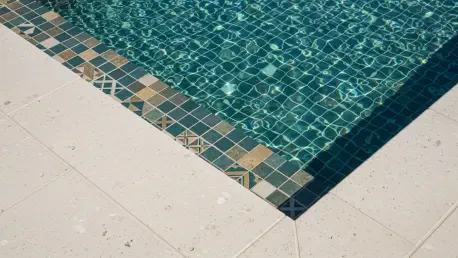
The strategic application of these materials across different spatial zones further elevates the outdoor narrative, allowing for a choreographed experience as one moves through the landscape. On an elevated terrace, which often serves as the primary transition point between the living room and the garden, material continuity is essential. By selecting tiles that echo the interior’s color temperatures and textures, designers can visually expand the perceived square footage of the home, creating a “flow” that makes the transition to the outdoors feel natural and inviting. As the journey continues into more specialized zones, such as pool waterlines or secluded fire pits, the choice of material can shift to meet specific aesthetic and functional needs. This might involve introducing intricate mosaic patterns to add visual drama to a waterline or utilizing rhythmic, textured pavers to slow the pace of movement along a garden path, encouraging a more mindful engagement with the surrounding flora.
This thoughtful distribution of materials ensures that every inch of the landscape tells a cohesive story of craft and permanence. It is this attention to the minute details—the way a grout line aligns with an architectural column or how the texture of a stone changes as it nears a water feature—that distinguishes a truly luxury project from a standard renovation. By treating each spatial zone as a unique chapter in a larger narrative, designers can use material literacy to guide the eye and the body through the environment. The result is a landscape that feels organized, intentional, and deeply layered. Each material choice is made not in isolation, but as part of a broader conversation about how the space should be inhabited and experienced. This spatial intelligence ensures that the outdoor environment is not just a collection of expensive features, but a harmonious, unified whole that resonates with the lifestyle and aesthetic values of the inhabitant.
The Longevity of Purposeful Design
The overarching consensus regarding the evolution of material literacy is that the most intelligent luxury investment is one that prioritizes purpose, performance, and long-term resonance over disposable aesthetic trends. In an era where home design cycles can feel increasingly rapid, the surfaces of a property remain some of its most permanent and impactful features. By merging the heritage of artisan craft with the precision of modern material engineering, designers successfully created spaces that were not only beautiful upon their initial installation but became more resonant and character-rich as they aged. The shift toward high-performance, handcrafted materials allowed for the creation of environments that felt deeply rooted in their landscape, maintaining their integrity and visual authority against the inevitable test of time and the elements.
Moving forward, the focus for developers and homeowners alike should be on the integration of these “literate” materials into the earliest stages of the architectural brief. Instead of treating the outdoor surface as a final finishing touch, it was more effective to view it as the primary structural and aesthetic canvas upon which the rest of the landscape was built. Future considerations for outdoor luxury will likely revolve around even greater levels of material transparency and environmental compatibility, where the lifecycle of a tile or paver is as carefully considered as its visual appeal. By choosing materials that are as technically sound as they are artistically inspired, property owners secured a legacy of quality that transcended simple luxury, offering a permanent testament to the enduring value of well-considered design and superior craftsmanship.