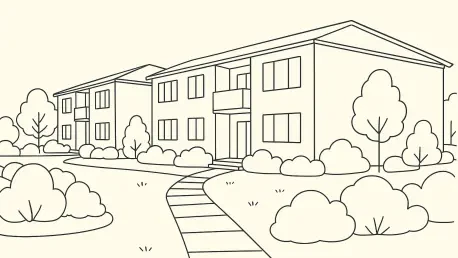

A prospective resident’s perception of value is often dictated by the specific trajectory they follow from the parking lot to the front door, a concept known as the golden path. This psychological journey serves as a microcosm for the broader reality of property investment, where the initial financial transaction is merely a prelude to the complex work of asset optimization. While the financial world often celebrates the high-stakes drama of a property closing, the real engine of wealth creation in real estate operates far away from the boardroom. True profitability is rarely found in the initial purchase price alone; instead, it is forged in the meticulous, day-to-day management that follows the acquisition. By shifting the focus from macro-level financial modeling to micro-level operational execution, investors can transform a theoretical asset into a high-performing financial engine. This transition requires a dedicated bridge between the visionary blueprint of the acquisition team and the tangible, boots-on-the-ground reality of property management.
Mastering the Transition from Acquisition to Operation
Integrating Due Diligence and Execution
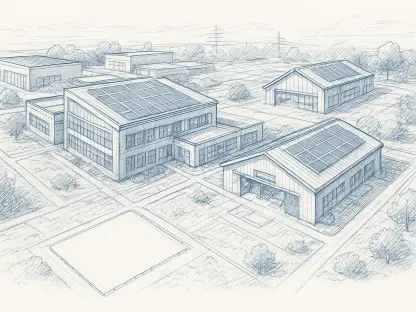
The path to a profitable investment begins long before the final contracts are signed, requiring a seamless fusion of acquisition strategy and operational insight. By integrating operational experts into the pre-acquisition phase, firms can identify hidden costs and potential efficiencies that a purely financial analysis might overlook. This collaborative approach allows a management team to evaluate renovation feasibility and provide realistic cost estimates in real-time, ensuring that the financial modeling remains grounded in the physical reality of the asset.
When the operations team is involved during due diligence, they can begin planning the execution of physical improvements while the deal is still in escrow. This proactive alignment ensures that there are no surprises regarding the structural integrity or mechanical systems of the building, allowing for a more accurate valuation. It also empowers the team to hit the ground running the moment ownership transfers, drastically reducing the lag time between acquisition and value creation, which is essential for hitting early performance targets.
Navigating the Gap Between Projection and Reality
A successful investment relies on the ability to turn paper projections into actualized results through disciplined decision-making and rigorous oversight. While an acquisition team sets the overall strategy, the operations team is responsible for the delivery of the plan, managing everything from complex tenant relations to the maintenance of aging physical infrastructure. This requires a shift in perspective where every small maintenance choice is viewed as a direct contribution to the asset’s long-term yield and overall marketability within a competitive landscape.
The ultimate success of a deal is determined by how well the management team bridges the gap between the initial financial vision and the lived experience of the property. This involves a transition from macro-level modeling to micro-level management where responsiveness and attention to detail become the primary drivers of value. By focusing on the tangible aspects of the property, such as the efficiency of the HVAC systems or the quality of the common areas, managers ensure that the asset remains a desirable location for residents while maintaining a healthy bottom line.
Enhancing Value Through Psychology and Protection
Leveraging the Golden Path and Psychological Aesthetics
A property’s market value is heavily influenced by the immediate psychological impact it has on visitors and tenants during their first interaction with the site. The concept of the golden path focuses on the specific trajectory a person takes from the moment they park their car to the moment they step through the front door of a unit. This experience must be curated to instill a sense of security and quality, as first impressions often dictate a prospective resident’s willingness to pay a premium or sign a long-term lease.
Rather than relying on massive, capital-intensive overhauls, profitability can be driven by high-impact, cost-effective modifications that enhance the visual appeal of the site. Simple upgrades such as modern exterior lighting, refreshed landscaping, and strategic curb appeal can significantly transform the perceived value of a community without requiring a prohibitive budget. These thoughtful aesthetic touches reinforce a sense of quality and care, proving that the most expensive renovation is not always the most effective one when it comes to maximizing the return on investment.
Mitigating Risk with Proactive Maintenance
Viewing maintenance through a lens of risk management is essential for protecting an investment against unforeseen economic downturns and market volatility. By prioritizing preventive care—such as system upgrades and roof replacements—during prosperous years, owners avoid being burdened by emergency expenditures when market conditions soften. This approach shifts maintenance from a reactive chore to a strategic defense, ensuring that the building’s core infrastructure remains sound and functional regardless of the external economic environment.
This proactive stance ensures that capital can be directed toward tenant retention and market adaptation rather than being consumed by urgent, unplanned repairs. In this framework, consistent investment in a building’s infrastructure serves as a strategic defense that stabilizes the asset’s financial health over the long term. By addressing potential issues before they escalate, managers reduce the likelihood of costly downtime or legal liabilities, thereby creating a more resilient and predictable investment vehicle for their stakeholders.
Maximizing Returns Through Human-Centric Management
The Economic Power of Resident Retention
In the world of real estate, property management is fundamentally a people business where resident satisfaction directly impacts the long-term bottom line. The cost of a single vacancy is significant, often totaling several months of lost rent when accounting for turnover labor, marketing expenses, and the inherent risk of an empty unit. By prioritizing responsiveness and hospitality, owners can foster positive relationships that lead to higher retention rates and more stable cash flows, which are the hallmarks of a healthy asset.
When residents feel valued and respected, turnover decreases, creating a more predictable and profitable environment for the investors who provide the capital. This human-centric approach transforms a standard apartment building into a community where people choose to stay, even when faced with competitive market alternatives. This stability allows for more accurate financial forecasting and reduces the wear and tear associated with frequent move-ins and move-outs, ultimately preserving the physical condition of the property.
The Strategic Edge of In-House Operations
Bringing property management in-house creates a powerful alignment of interests that third-party firms often cannot replicate due to their divided loyalties. Internal teams possess a deep sense of accountability and regional expertise, allowing them to adapt quickly to local market dynamics and the specific needs of their tenant base. This structure ensures that every operational decision, from the choice of a landscaping contractor to the timing of a major capital project, is made with the owner’s long-term interests in mind.
This organizational structure also facilitates knowledge compounding, where small operational wins and lessons learned at one site are systematically applied across the entire portfolio. By maintaining a dedicated team of professionals who are directly invested in the owner’s success, a firm can develop a more sophisticated and efficient management model. Ultimately, this internal alignment ensures that every operational decision is made with the asset’s total performance in mind, leading to a more robust and sustainable investment strategy over time.
Future Proofing the Portfolio through Strategic Action
In the preceding analysis, it was demonstrated that real estate success depended on the seamless integration of operational excellence and financial strategy. Investors who prioritized the resident experience and maintained a proactive stance on property maintenance secured more stable returns than those who focused solely on the initial acquisition price. The transition from theory to practice required a disciplined management team capable of executing a vision through hundreds of small, impactful decisions made on a daily basis.
Looking ahead, owners should consider consolidating their management teams to ensure a closer alignment between asset performance and investor expectations. By focusing on high-impact psychological improvements and utilizing preventive maintenance schedules, portfolios remained resilient during market fluctuations. The most successful investors were those who viewed property management as a strategic asset rather than an administrative burden, consistently seeking new ways to enhance the golden path for every resident who called their buildings home.