
The pursuit of a truly luxurious outdoor living environment in St. Louis demands a profound understanding of the region’s unique and often punishing meteorological characteristics. Local design experts Mimi Pultman and Ellen Lancia emphasize that achieving a high-end feel is not merely a matter of selecting expensive furniture, but rather a complex architectural challenge involving the mitigation of extreme humidity and fluctuating temperatures. In the current landscape of 2026, homeowners are increasingly viewing their backyards as sophisticated extensions of their indoor floor plans, requiring a level of detail that rivals any interior renovation. This evolution in design philosophy shifts the focus from temporary seasonal setups to permanent, resilient sanctuaries that can withstand the volatile Midwestern climate. By anticipating specific environmental stressors like intense solar radiation and sudden storm systems, designers can craft spaces that remain functional and inviting even during the most sweltering afternoons.
Strategic Management of Airflow and Heat
Managing the stagnant, heavy air common to Missouri summers is the most critical technical requirement for any outdoor space intended for frequent use. Designers argue that if a location is physically uncomfortable, its visual appeal is ultimately rendered irrelevant because residents and guests will naturally avoid it. To solve this, the integration of high-performance airflow systems, such as industrial-grade standing fans or permanently mounted ceiling fans, has become a non-negotiable standard in luxury design. These mechanical additions do more than just lower the perceived temperature; they create a constant breeze that acts as a physical barrier against flying insects, which are a persistent nuisance in the local ecosystem. By maintaining a steady current of air, a host can transform a ninety-degree evening into a temperate and pleasant social environment. This technical foundation allows for a degree of comfort that encourages longer periods of engagement outdoors.
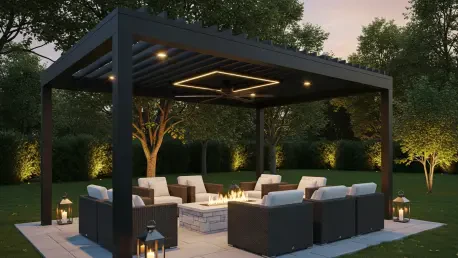
The architecture of shade represents another high-value investment that dictates the total usability window of a backyard during the peak daylight hours. Permanent structures such as pergolas provide more than just a sense of enclosure; they offer significant protection from UV rays while adding architectural weight to the property’s overall footprint. For homeowners who require more flexibility, high-quality umbrellas or parasols can be strategically positioned to block the intense afternoon sun as its angle shifts throughout the day. Without these deliberate interventions, a patio becomes a heat trap that is virtually uninhabitable from midday until late evening. The goal is to create a controlled microclimate where the transition from sun to shade feels natural rather than forced. By treating shade as a structural element rather than an accessory, the design ensures that the space remains a functional asset regardless of the sun’s intensity, providing a reliable retreat for the family.
Material Science and Performance Fabrics
Material science plays a pivotal role in determining the tactile success of an outdoor room, as different surfaces react uniquely to the Missouri sun’s thermal energy. Metal furniture, while durable, acts as a heat sink that can quickly become too hot to touch, often reaching temperatures that make seating hazardous or uncomfortable. In contrast, cool-touch materials like high-quality wicker and sustainably sourced wood are highly recommended because they remain temperate even under direct exposure. These natural and synthetic fibers allow for a more forgiving user experience, ensuring that guests can move freely without the shock of scorching surfaces. Selecting materials based on their thermal properties is a hallmark of sophisticated design, as it prioritizes the human experience over mere visual aesthetics. This careful curation of furniture frames creates a reliable foundation that supports long-term durability and consistent comfort throughout the hottest months of the year.
To complement these heat-resistant frames, the use of performance textiles has become essential in bridging the gap between indoor luxury and outdoor resilience. These engineered fabrics are specifically designed to provide the soft, plush feel of traditional interior upholstery while maintaining a high resistance to moisture, mold, and fading caused by UV exposure. In 2026, the technology behind these textiles has advanced significantly, allowing for intricate patterns and textures that were previously impossible to maintain in an exposed environment. By utilizing these high-end materials, designers can replicate the look of a formal living room in a backyard setting without sacrificing longevity. This level of material integration ensures that the furniture remains as vibrant and comfortable in several years as it was on the day of installation. The result is a seamless aesthetic transition that reinforces the concept of the outdoor room as a permanent, high-value part of the residence’s living area.
Creating Ambiance with Sophisticated Layers
Once the structural foundations are established, the focus shifts toward layering personality and ambiance to prevent the space from feeling disjointed or temporary. Sophisticated lighting is often the most underutilized tool in the designer’s arsenal, yet it has the power to transform a functional backyard into an intentional evening sanctuary. Moving away from the harshness of overhead floodlights, experts suggest a more nuanced approach involving multiple light sources at varying heights and intensities. This includes the strategic placement of portable lamps, lanterns, and flickering candles to create a warm, inviting glow that mimics the intimacy of a high-end restaurant. By dispersing light in this manner, the boundaries of the space are defined more softly, encouraging guests to linger well after sunset. This layered lighting strategy not only enhances safety but also highlights architectural features and landscaping, providing a depth of field that makes the environment feel truly expansive.
Sensory details, particularly those involving olfactory experiences and pest mitigation, should be integrated into the overall decor rather than treated as an afterthought. In a region where mosquitoes and other flying insects are a constant concern, the standard response is often the use of harsh industrial chemicals or unattractive bug traps. However, a luxury approach involves the use of high-end candles and diffusers that feature sophisticated fragrances while doubling as effective repellents. These items contribute to the sensory atmosphere of a gathering, adding a layer of refinement that elevates the host’s attention to detail. When combined with the cooling effects of fans and the visual warmth of layered lighting, these subtle elements create a cohesive narrative of comfort and luxury. This attention to the invisible aspects of the environment ensures that the guests’ experience is protected from the common irritations of outdoor life, allowing the focus to remain entirely on social interaction.
Hosting Standards and Culinary Integration
Elevating the logistics of outdoor entertaining requires a steadfast commitment to quality that mirrors the standards of an indoor dining room. Experts argue that the use of temporary furniture, such as folding chairs or plastic tables, immediately signals a makeshift environment and detracts from the sense of luxury. Instead, outdoor seating should match the scale and comfort of traditional interior furniture to reinforce the feeling of a permanent living space. Every detail, from the weight of the glassware to the sturdiness of the place settings, must be carefully chosen to provide tactile satisfaction while remaining resilient against sudden gusts of wind. Serving fine wine in high-quality glass or sophisticated shatterproof alternatives ensures that the sensory experience of the meal is not compromised by the setting. By maintaining these high standards of service, the host validates the importance of the outdoor room as a premier venue for formal social engagements and family milestones alike.
The success of any outdoor event is also heavily dependent on how well the menu is synchronized with the physical environment and the prevailing weather conditions. For mingling events where guests are expected to stand, serving sophisticated finger foods prevents the logistical awkwardness of trying to use knives and forks without a table. In contrast, sit-down dinners benefit from weighted centerpieces and heavy linens that maintain the table’s integrity against the elements. A critical insight for 2026 is the importance of matching the weight and temperature of the food to the ambient conditions of the St. Louis climate. Cold, refreshing courses are often more appreciated during high-humidity evenings, while the infrastructure for keeping food at the proper temperature must be discreetly integrated into the serving area. This level of planning ensures that the culinary experience is as seamless and polished as the environment itself, creating a memorable and professional atmosphere for all who attend.
Future Considerations for High-End Environments
The transition toward creating resilient and high-end outdoor rooms in St. Louis represented a significant shift in how homeowners approached their residential footprints. Designers focused on the essential hierarchy of needs, starting with climate mitigation and ending with the fine-tuning of sensory details. By prioritizing airflow through high-performance fan systems and investing in the architecture of shade, they successfully neutralized the most difficult aspects of the local microclimate. The selection of cool-touch materials and performance textiles further ensured that these spaces remained functional and comfortable for years to come. These strategic choices allowed for a level of hosting that was previously reserved for indoor environments, proving that even the most volatile weather patterns could be managed through thoughtful engineering. Homeowners found that treating the backyard with the same rigor as an interior renovation provided a substantial return on investment in both property value and lifestyle quality.