
The current landscape of urban housing reveals a striking paradox where high-end residential towers frequently offer breathtaking views while simultaneously feeling disconnected from the very streets they overlook. As large-scale private equity firms continue to acquire extensive portfolios of luxury apartments across major American cities, the traditional relationship between a property manager and a resident is often replaced by automated responses and distant corporate mandates. In vibrant cultural hubs like New Orleans, this shift toward institutional ownership risks diluting the unique identity that makes luxury living desirable in the first place. High-end real estate is not merely a collection of square footage and premium finishes; it is an experience defined by how a building interacts with its neighborhood and how its operators understand the local rhythm of life. Successful management requires an intimate knowledge of the regional climate, social nuances, and historical context that outside firms often fail to grasp.
The Contrast Between Corporate Ownership and Community Stewardship
Personalized Service: The Intersection of High-End Aesthetics and Human Connection
The evolution of the New Orleans rental market has reached a critical juncture where the proximity of decision-makers to their properties determines the quality of the resident experience. While distant investment groups prioritize high-volume standardized operations, BG Property Management has spent the last twenty-eight years demonstrating that luxury is fundamentally rooted in local accountability. By maintaining its headquarters and all management operations within the city, the firm ensures that every tenant request and maintenance issue is handled by professionals who live in the same zip codes as their clients. This approach counters the trend of depersonalized service by fostering a sense of community that extends beyond the walls of an apartment. Residents are not merely account numbers in a database; they are part of a curated environment where the staff understands the specific logistical challenges of the city, from hurricane preparedness to the unique timing of local festivals and parade routes.
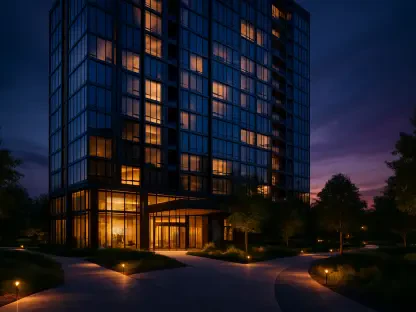
Building on this foundation of local expertise, the physical attributes of properties like 930 Poydras illustrate how modern luxury is defined by more than just interior design. Located in the heart of the Central Business District, this property emphasizes a lifestyle of convenience and sophistication that caters to the professional demographic. The management of such a facility involves coordinating high-end amenities, such as city-view rooftop terraces and state-of-the-art fitness centers, while ensuring that the transition from a busy workday to a private sanctuary is seamless. When the management team is local, they can anticipate the needs of residents based on real-time city conditions, such as traffic patterns or local events that might affect building access. This level of proactive service is difficult for remote firms to replicate, as they lack the immediate sensory connection to the street-level reality. Consequently, the blend of upscale aesthetics and responsive, local management creates a superior living standard.
Neighborhood Integration: Preservation of Identity in the Modern Market
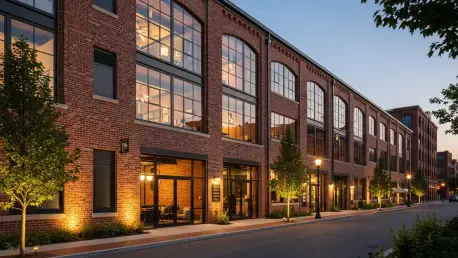
Architectural preservation serves as another pillar of luxury that requires a nuanced, local perspective to execute successfully. In areas like the Marigny and Bywater, properties such as Thirty60 Lofts demonstrate a commitment to maintaining the city’s historical fabric while providing contemporary high-end finishes. This balance is delicate; it requires an understanding of how to treat original materials like exposed brick and factory-style windows without compromising modern comfort. Local managers act as stewards of these historic assets, recognizing that the value of the property is intrinsically tied to its history and its place within the neighborhood. Unlike national firms that might apply a generic “industrial” aesthetic to every market, local experts prioritize authentic restoration. They understand that residents choose these spaces because they want to inhabit a piece of the city’s soul, not a sterile imitation of it. This deep respect for the local architecture ensures that the luxury market remains grounded.
The effectiveness of this management style is also reflected in the diversity of the portfolio, which spans iconic neighborhoods such as the Garden District, the French Quarter, and Mid-City. Each of these areas possesses a distinct personality and specific sets of regulations that govern property usage and maintenance. Navigating the complexities of historic district commissions or local zoning laws is a task best suited for those who deal with these entities daily. By keeping decision-making power within the city, the firm ensures that its operations reflect the specific cultural and lifestyle nuances that define each neighborhood. This regional focus prevents the homogenization of the urban landscape, allowing each property to contribute to the character of its surroundings. Ultimately, the long-term success of high-end real estate depends on this integration, as it creates a more stable and desirable environment for residents who value both the luxury of their home and the vibrancy of their community.
Advancing the Luxury Standard: Technology and Local Accountability
Digital Efficiency: Streamlining Management Through Responsive Innovation
In the modern real estate market, the integration of technology is no longer optional, yet its implementation varies significantly between local firms and distant corporations. The strategy employed by modern local managers involves synthesizing cutting-edge digital tools with traditional, face-to-face accountability. By utilizing streamlined online portals for rent payments, maintenance requests, and resident communication, the management process becomes more efficient for everyone involved. However, the critical difference lies in who is on the other end of that digital interface. In a local management model, a maintenance ticket submitted via an app is received by a team member who can be on-site within minutes, rather than being routed through a national call center. This combination of digital convenience and physical presence represents the pinnacle of modern property management. It provides residents with the ease of 2026 technology while maintaining the security of knowing that help is always nearby.
Furthermore, the data gathered through these technological platforms allows local managers to identify trends and address potential issues before they escalate into significant problems. For example, monitoring building systems through smart technology can alert a local team to a cooling issue during a humid New Orleans summer long before a resident even notices a change in temperature. This proactive maintenance is a hallmark of luxury living, where the goal is to provide a worry-free environment. National firms often use technology to reduce headcount and distance themselves from tenants, but a local approach uses these same tools to enhance the connection. The technology serves as a bridge rather than a barrier, allowing for more precise control over the property’s performance. When residents see that their digital interactions lead to tangible, high-quality results in their physical environment, it reinforces their trust in the management team. This synergy between the digital and physical realms is what defines the future.
Strategic Longevity: Building Trust Through Decades of Local Presence
The history of a firm like BG Property Management serves as concrete evidence that a community-oriented business model is both sustainable and superior in the luxury sector. Spanning from 2026 and looking back over nearly three decades, the company has navigated economic shifts and urban transformations by remaining steadfast in its local focus. This longevity creates a reservoir of trust with residents, vendors, and city officials that newer, outside investment groups cannot match. Trust is a vital component of the luxury market; residents need to know that their home is being managed by an entity with a proven track record of stability and excellence. This historical perspective allows the firm to make long-term investments in their properties that prioritize quality over short-term gains. By choosing to remain locally owned and operated, they have successfully resisted the pressure to prioritize shareholder profits at the expense of the resident experience or the city’s unique character.
In conclusion, the decision to prioritize local management emerged as a decisive factor in maintaining the integrity of the luxury real estate market in New Orleans. The transition toward institutional ownership was countered by a commitment to hands-on stewardship, which successfully blended historical appreciation with modern technological amenities. Property owners and developers recognized that the value of a high-end asset was best protected by those with a deep, personal stake in the local community. Moving forward, the industry must emphasize the training of local management professionals who can bridge the gap between architectural heritage and digital innovation. Investors should seek partnerships with firms that demonstrate a long-term commitment to specific neighborhoods rather than those pursuing rapid, nationwide expansion. By focusing on local accountability and neighborhood integration, the real estate sector ensured that luxury living remained an authentic and deeply rooted experience. The path forward required a renewed focus on the human element within the high-tech landscape of modern property management.