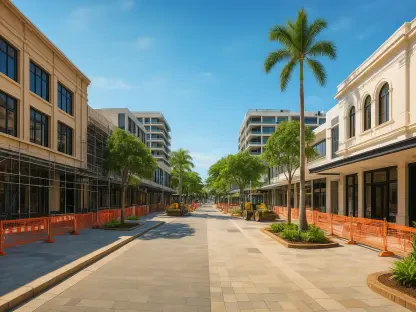

Phnom Penh’s skyline continues to redefine itself as the primary engine of Cambodia’s economic resurgence, transforming once-dormant districts into high-density hubs of international commerce and luxury living. The recent launch of the second phase at TIA CITY represents a significant milestone in this ongoing metamorphosis, signaling a shift toward sophisticated, multi-functional urban environments that cater to a globalized workforce. As the city matures into a regional financial powerhouse, the demand for premium Grade-A office space and integrated commercial facilities has reached unprecedented levels. This development is not merely an addition of floor space but a strategic response to the evolving needs of multinational corporations and high-growth startups that require more than just a desk and a chair. By blending advanced architectural concepts with human-centric design, the project seeks to establish a new benchmark for commercial real estate in Southeast Asia, fostering a culture of innovation and collaboration within its glass-walled perimeters.
Strategic Growth in the Capital’s Financial District
Modernizing the Commercial Landscape
The second phase of this project introduces commercial towers designed to maximize operational efficiency while minimizing environmental impact through smart-grid technology and sustainable materials. These structures utilize high-performance glazing and automated climate control systems to manage tropical heat, ensuring internal environments remain productive without excessive energy consumption. Each floor is engineered with modular layouts that allow companies to scale operations seamlessly, reflecting the fluidity of the modern business world where agility is a core competitive advantage. Beyond the physical office spaces, the integration of retail podiums and shared amenity zones creates a vibrant ecosystem where business and leisure intersect naturally. This approach addresses the increasing preference for mixed-use developments that reduce transit times and provide employees with access to essential services and health facilities, thereby enhancing overall workplace satisfaction and retention.
Connectivity and Urban Integration
Positioned at a critical intersection of major transport arteries, the project benefits from enhanced accessibility that connects the central business district to the outlying industrial zones and the recently expanded international airport logistics corridor. This strategic positioning ensures that logistics and commuting are optimized for both local employees and visiting international executives who require swift transit between key economic nodes. The development incorporates advanced underground parking facilities and dedicated lanes for electric vehicle charging, anticipating the rapid shift toward greener transportation methods within the city’s urban core. Furthermore, the surrounding infrastructure has undergone significant upgrades to accommodate increased pedestrian traffic, with widened sidewalks and green belts that provide a buffer against the busy thoroughfares. By prioritizing physical connectivity, the project acts as a catalyst for broader neighborhood revitalization, encouraging further investment in the residential and service sectors.
Economic Implications and Sustainable Development
Attracting International Investment
The expansion of high-quality commercial real estate serves as a powerful magnet for foreign direct investment, providing the necessary physical infrastructure for global firms to establish their regional headquarters within the Kingdom. As Cambodia continues to diversify its economy away from traditional manufacturing, the presence of world-class facilities like those found in Phase Two provides a professional environment that meets international compliance and safety standards. This alignment with global norms is crucial for attracting financial services, technology firms, and consulting agencies that prioritize transparency and modern amenities. The influx of these high-value industries not only creates direct employment opportunities for the local workforce but also facilitates a significant transfer of skills and knowledge, elevating the overall competitiveness of the regional talent pool. Consequently, the project contributes to a virtuous cycle of growth, where high-quality infrastructure attracts elite tenants who drive further innovation.
Forward-Looking Infrastructure Solutions
Investors and urban planners recognized that the successful completion of this phase established a robust framework for future-proofing the city’s commercial core against shifting global economic trends and environmental challenges. Stakeholders prioritized the implementation of rigorous ESG protocols, which ensured that long-term operational costs remained low while the social impact on the community was positive. It became evident that the move toward high-density, vertical urbanism was the only viable path for sustaining growth within a limited geographic footprint. Moving forward from 2026 into 2028, businesses sought to integrate these flexible spaces with hybrid work models, utilizing smart infrastructure to bridge the gap between physical and digital collaboration. The focus shifted toward creating resilient urban nodes that could withstand climate volatility and provide consistent utility services. Decisions made during this expansion phase provided a blueprint for subsequent developments, ensuring urban livability.