
The transition to including build-to-rent projects reflects an agile approach to immigration that prioritizes long-term housing solutions for a growing national population. The recent shift in New Zealand’s immigration policy signals a bold move to bridge the gap between foreign capital and the domestic housing shortage. By integrating these large-scale residential developments into the Active Investor Plus visa framework, the government aims to channel high-net-worth migration toward productive, high-impact assets. This adjustment signifies a departure from traditional passive investment models that often inflated property prices without adding to the actual housing supply. Instead, it invites global investors to participate in the construction and management of purpose-built rental communities. These projects are intended to provide high-quality, stable living environments for thousands of residents, ensuring that the influx of international wealth directly benefits the broader community while supporting the local building sector through a period of steady expansion.
Strategic Framework: Investor Safeguards and Regulatory Requirements
Regulatory Requirements: Preventing Speculative Real Estate Investment
To ensure that the influx of foreign investment serves the public interest rather than fueling speculative bubbles, New Zealand has established a rigorous set of regulatory parameters. A primary concern for policymakers was the potential for wealthy migrants to buy up existing residential stock, which could inadvertently price out local families. To mitigate this risk, the updated visa guidelines strictly prohibit investors from purchasing individual homes or residing in the developments they are funding. Instead, all capital must be directed toward institutional-grade projects through government-approved managed funds or direct investments in large-scale residential ventures. This structure ensures that the money is managed by professional entities with a track record of delivering complex infrastructure. By mandating that investments flow through these channels, the government can maintain oversight of how funds are utilized, ensuring they are dedicated to increasing the total volume of available housing rather than simply shifting ownership.
Investment Paths: Navigating Growth and Balanced Categories
The updated Active Investor Plus program maintains a nuanced structure designed to balance risk and economic impact through its Growth and Balanced categories. Under the Growth Category, which now includes build-to-rent projects, investors are required to commit $5 million NZD over a three-year period. This path is favored by the government because it directs capital toward sectors that generate high economic activity and employment. Conversely, the Balanced Category requires a $10 million NZD commitment over five years, catering to those who prefer lower-risk, more traditional asset classes. By placing build-to-rent developments within the Growth Category, the government recognizes the significant upfront effort and long-term economic value these projects represent. This strategic positioning encourages investors to take a more active role in New Zealand’s economic landscape, fostering a deeper connection between migrant capital and the nation’s infrastructural health while providing a clear roadmap for how international wealth can be harnessed.
Addressing Housing Supply: Economic Objectives and Market Trends
Institutional Capital: Boosting Rental Stock and Security
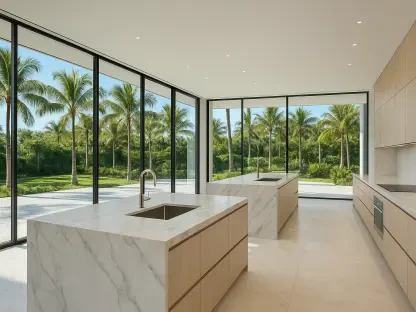
The expansion into the build-to-rent sector is specifically designed to diversify a rental market that has historically relied on small-scale, private landlords. These new institutional-grade developments offer a fundamentally different experience for tenants, characterized by professional management and long-term security of tenure. Unlike traditional rentals, which can be sold at any time by individual owners, build-to-rent properties are designed from the ground up to remain as permanent rental stock. This provides families and individuals with the confidence to put down roots without the constant fear of being forced to relocate. Furthermore, these projects often incorporate modern amenities such as shared workspaces, communal gardens, and integrated technology, which enhance the overall quality of life for residents. By attracting international capital to fund these developments, the government is essentially importing the financial resources necessary to build sophisticated communities that might otherwise remain unfeasible due to local constraints.
Strategic Performance: Evaluating Success and Future Integration
The integration of build-to-rent housing into the visa framework functioned as a catalyst for a more resilient and sustainable property development model. Since the latest program update, the initiative successfully attracted nearly $5 billion NZD in committed capital, with over 460 applications approved by the end of the recent fiscal cycle. This influx demonstrated that high-net-worth individuals from the United States, China, and Europe favored active participation in the economy over passive asset holding. Moving forward, policymakers should consider how this template of foreign-funded, institutional-grade housing could be applied to other critical sectors such as senior living facilities. It was essential to monitor these developments to ensure they met standards for long-term resident satisfaction. Future iterations ought to explore incentives for projects that incorporate advanced green building technologies. By maintaining this proactive stance, New Zealand established a benchmark for how international migration can be harmonized with domestic goals.