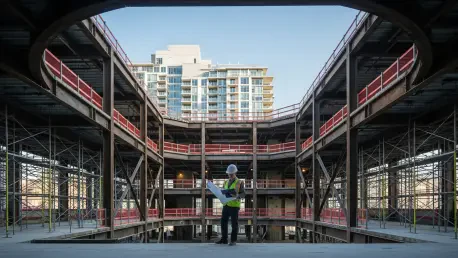

Luca Calaraili is a veteran of the construction industry who understands that the skeleton of a building tells a complex story. With a career rooted in the intricate dance between architectural design and technological innovation, he has watched the New York City skyline undergo a massive, post-pandemic transformation. As Manhattan grapples with the complexities of turning aging office towers into modern living spaces, Calaraili’s perspective on structural integrity and regulatory compliance offers a vital roadmap for an industry currently under the microscope of public safety and intense government scrutiny.
This discussion explores the ripple effects of high-profile structural failures, the systemic reality of code violations in Manhattan, and how the Department of Buildings is shifting its approach to oversight. We also delve into the financial and operational consequences for developers navigating a tightened regulatory environment where every beam and permit is being re-evaluated.
The recent partial construction stoppages at 750 Third Avenue and 222 Broadway seem to have sent a shockwave through the New York development community. Given these incidents followed the structural failure at the former Pfizer building on July 7, what specific red flags should developers be looking for when evaluating an aging office building for a residential future?
When you step into a project like the Pfizer conversion, you have to realize that these structures were never originally designed for the specific floor loads or partition layouts of a residential building. Developers must look beyond the surface and identify unexpected field conditions, such as aging steel that may not behave as the original 20th-century blueprints suggest. The failure on July 7 served as a catalyst, reminding us that even “sound” buildings can hide weaknesses that only reveal themselves during a heavy gut renovation. If an engineering team finds that structural steel isn’t robust enough to support the new design, that is an immediate red flag that requires a design change rather than a quick fix. We are seeing that if these modifications aren’t documented and approved with extreme precision, the Department of Buildings will not hesitate to shut the entire site down to err on the side of safety.
It is often joked that it is impossible to find a building in the Big Apple without a violation, yet we are seeing a massive ramp-up in enforcement right now. How do you distinguish between a minor compliance hiccup and a structural threat that warrants a total work stoppage?
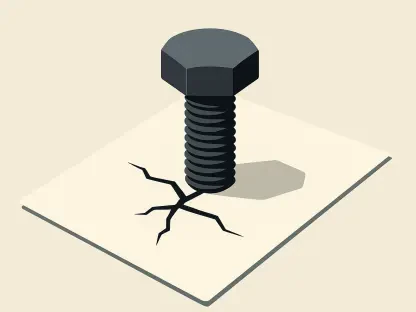
It is a statistical reality that if you scrutinize any major construction project in Manhattan, you will find a violation on almost every single one of them. Most of these are small, administrative issues related to compliance or minor site maintenance that don’t actually threaten the building’s stability. However, the situation at 222 Broadway highlights the danger of the “fix now, report later” mentality, where beams that cracked back in March were repaired quickly but the documentation didn’t reach the city in time. When the DOB sees a timeline discrepancy like that, they view it as a lack of transparency, which is just as serious to them as a physical crack in the foundation. The industry is learning the hard way that a sound field modification can still trigger a stop-work order if the required bureaucratic process isn’t followed to the letter.
How do you perceive the Department of Buildings’ recent surge in inspections following these failures—is this a necessary pivot for public safety or a reactionary measure that might stifle urban revitalization?
The current wave of enforcement is both predictable and unprecedented in its scope, reflecting a city that is still haunted by the fatal 2023 collapse of the parking garage on Ann Street. When a headline-grabbing failure occurs, the government’s natural reflex is to send out a wave of inspectors writing violations left and right for anything and everything to signal that they are paying attention. While some might call it reactionary, the reality of New York’s density and high real estate value means the stakes are simply too high to ignore any deviation from approved plans. This isn’t about reinventing the wheel or creating new regulations, but rather an outreach effort to ensure that crews and inspectors are actually following the protocols that have been on the books for years. We are seeing a shift where the agency is no longer just checking boxes; they are looking to see if the spirit of the safety code is being upheld in every joint and weld.
With the “time is money” mantra in mind, what are the long-term implications for the office-to-residential market if these rigorous, high-scale inspections become the new standard?
For projects already underway, like those halted on July 28 and July 30, the immediate impact is a significant slowdown that can lead to spiraling costs and heated disputes between owners and contractors. Beyond the job site, we are going to see lenders and insurers become much more cautious, likely demanding larger contingencies and independent structural reviews before they release a single dollar of funding. Developers will have to brace for a future where progress is slower and the “surprises” found in old office buildings are treated with much higher levels of engineering scrutiny. This ripple effect means that the residential conversion boom may not stop, but it will certainly become a more expensive and legally complex endeavor for everyone involved.
What is your forecast for the New York City construction landscape over the next few years?
I expect to see a permanent shift in how the Department of Buildings interacts with high-rise conversions, likely leading to formal code updates that specifically target the structural steel requirements for these types of projects. We won’t see the pace of development return to the “wild west” days of rapid-fire approvals; instead, the emphasis will remain on hyper-accurate documentation and mandatory safety outreach. Developers who successfully navigate this will be those who treat the city’s inspectors as partners rather than obstacles, ensuring every field change is signed off before a single hammer swings. Ultimately, the goal isn’t to stop progress, but to ensure that the buildings we live in are as resilient as the ones we once worked in.