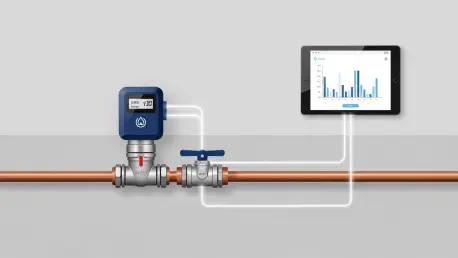

The integration of sophisticated digital ecosystems into modern residential architecture has traditionally focused on energy efficiency and security, yet the focus is rapidly shifting toward the optimization of water consumption. As municipalities struggle with aging infrastructure and fluctuating supply levels, the transition from passive plumbing to intelligent, data-driven water management systems represents the next logical step for the interconnected household. While smart thermostats and automated lighting have become standard expectations for homeowners, the deployment of ultrasonic sensors and Wi-Fi-enabled shut-off valves is creating a new paradigm where water is treated with the same analytical rigor as electrical power. This shift is driven by a combination of environmental necessity and financial pragmatism, as high-definition monitoring tools allow residents to identify microscopic leaks that would otherwise remain hidden. This technology finally addresses a critical resource.
Smart Systems: Intelligent Monitoring
The transition toward digitized water management is spearheaded by the widespread adoption of smart leak detection systems like the Flo by Moen and the Phyn Plus device. These sophisticated hardware solutions utilize pressure sensing and ultrasonic flow technology to create a digital fingerprint of every plumbing fixture in the house, from a running toilet to a dripping garden hose. Unlike traditional moisture sensors that must be placed physically near a potential leak, these centralized devices monitor the main water line to detect anomalies across the entire infrastructure. This proactive approach significantly reduces the risk of catastrophic water damage, which remains a leading cause of residential insurance claims in the current year. Building on this technological foundation, insurance providers have begun offering substantial premium discounts or free hardware to policyholders who install these shut-off valves. This alignment of interest has normalized water as a vital digital utility.
Beyond simple damage prevention, the secondary phase of this evolution involves the granular analysis of consumption patterns to drive behavioral changes and operational efficiency. Modern smart water controllers provide real-time dashboards that categorize usage by appliance, allowing homeowners to see exactly how many gallons are consumed by a specific showerhead or a dishwasher cycle. This level of transparency was previously impossible with mechanical meters, which only provided a cumulative total at the end of a billing cycle. This data-centric approach naturally leads to the implementation of automated irrigation systems that sync with local weather forecasts to prevent overwatering during rainy periods. Furthermore, the ability to remotely disable a home’s water supply via a smartphone app provides a layer of security that complements traditional smart locks. As these systems become more deeply embedded in the home, they are transforming the relationship between consumer and utility.
Future Assets: Circular Water Cycles
As the ecosystem of connected devices matures, the focus is expanding from internal leak detection to the integration of comprehensive greywater recycling and filtration systems. High-end developments are now exploring the use of systems like the Hydraloop, which treats water from showers and washing machines for reuse in toilets and irrigation, effectively halving the total demand on the municipal supply. This approach naturally leads to a more circular economy within the home, where water is no longer viewed as a single-use product but as a reusable asset. The convergence of these technologies with solar-powered water heating and heat-pump-based cooling creates a holistic utility network that optimizes thermal and fluid energy simultaneously. Municipalities are also beginning to realize the benefits of this connectivity, as smart meters allow for demand-response strategies. By coordinating with appliances, the community can mitigate the strain on local treatment plants.
The successful transition to water as a prioritized smart utility required homeowners to move beyond reactive maintenance toward a philosophy of preventive stewardship and data-driven conservation. Property owners who invested in centralized monitoring hardware and integrated irrigation controls achieved significant reductions in utility expenses and effectively eliminated the threat of internal flooding. For those looking to future-proof their residences, the most effective next step involved the installation of an ultrasonic main-line sensor coupled with a secondary mesh of local moisture detectors in high-risk zones. It also became essential for consumers to investigate local utility rebates and insurance incentives that subsidized these upgrades, as many municipalities provided credits for the installation of smart controllers. Furthermore, the adoption of low-flow fixtures offered a return on investment when paired with an analytics dashboard. Using water as a digital asset proved to be a necessary component.