
The conventional American dream of homeownership is undergoing a radical transformation as escalating property values and high interest rates redefine the housing aspirations of many Georgia residents. While the suburban landscape around Atlanta was once defined almost exclusively by for-sale single-family homes, a newer model known as Build-to-Rent (BTR) has firmly established itself as a permanent fixture of the regional economy. This shift is not merely a reaction to temporary market fluctuations but represents a fundamental change in how developers and residents approach the concept of community living in the late 2020s. As the metropolitan area continues to expand outward, the demand for high-quality, professionally managed rental housing has surged, prompting a wave of new construction that combines the privacy of a suburban home with the flexibility of a modern apartment lease. This evolution is particularly evident in counties like Cobb and Coweta, where innovative projects are setting a new standard for density and design in traditional residential corridors.
Emerging Residential Models in Northern Suburbs
Modern Townhome Living at REV3 at Hill Road
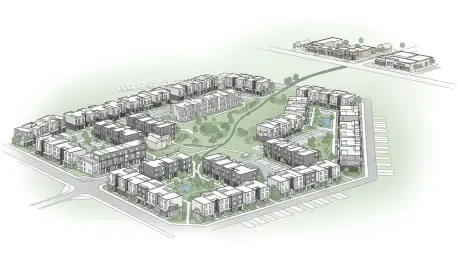
The development of REV3 at Hill Road in Powder Springs serves as a prime example of how the Build-to-Rent sector is maturing into a sophisticated alternative to traditional suburban ownership. This project, spearheaded by Trilogy Investment Company, introduces 120 stacked townhomes that prioritize a neighborhood atmosphere while removing the financial barriers associated with down payments and long-term mortgages. Each unit is designed with the modern professional in mind, featuring open floor plans, high-end finishes, and integrated one-car garages that provide a level of privacy rarely found in standard multi-family apartments. By focusing on a “traditional neighborhood” aesthetic, the developers are successfully targeting a demographic that values the quietude of the suburbs but requires the mobility of a rental agreement. This approach ensures that residents can enjoy the perks of a localized community without the hidden costs of property maintenance and fluctuating tax assessments that often plague first-time homeowners in the current market.
Beyond the individual units, the REV3 community integrates seamlessly with the surrounding natural landscape, offering direct connections to the Silver Comet Trail and dedicated walking paths within the property. These amenities are not merely decorative but are essential components of a lifestyle-oriented strategy intended to foster a sense of belonging and wellness among renters. The inclusion of pet-friendly areas and communal green spaces addresses the specific needs of modern tenants who view their homes as more than just a place to sleep. By situating this project in the northwest suburbs, the development team is tapping into a growing population of individuals who are priced out of the traditional buying market but are unwilling to sacrifice the quality of their living environment. This specific focus on amenity-rich, high-density housing demonstrates a clear shift toward a diversified housing ecosystem that balances density with suburban charm, providing a necessary safety valve for the region’s ongoing housing supply constraints.
Strategic Infrastructure and Suburban Connectivity
The success of BTR projects in the Atlanta periphery is increasingly dependent on their proximity to existing infrastructure and regional recreation hubs. Developments like REV3 are intentionally positioned to capitalize on established transit corridors and trail systems, recognizing that modern renters prioritize ease of movement and access to outdoor activities. This strategic placement helps mitigate the perceived isolation of suburban living, making these communities highly attractive to younger professionals who may work remotely or commute to the city only a few times per week. The infrastructure-first approach also benefits the municipality by concentrating growth in areas where roads and utilities can most efficiently support a denser population. As these developments become more prevalent, the integration of residential clusters with public trails and commercial nodes creates a more walkable and sustainable version of the traditional suburban sprawl that defined the previous decades of Georgia’s growth.
Expanding the Rental Horizon in Southern Corridors
Navigating Zoning Challenges at Celebration Park
In the southern suburb of Newnan, the approval of Celebration Park represents a significant milestone for the Build-to-Rent industry, particularly given the city’s rigorous zoning regulations and recent moratoria on large-scale residential projects. Parkland Residential successfully secured the necessary entitlements for this 150-unit development, highlighting a growing recognition among local officials that diverse housing options are critical for long-term economic stability. Celebration Park is unique in its architectural diversity, offering a combination of rear-entry townhomes and front-entry ranch-style units that cater to a wide range of age groups and household sizes. This mix is specifically intended to appeal to both young families and active adult renters who may be looking to downsize from larger properties without leaving their familiar community. The project’s success in navigating a complex regulatory environment suggests that the BTR model is increasingly viewed as a viable solution to the housing shortage rather than an outlier.
The design of Celebration Park emphasizes a resort-style living experience, complete with a high-end swimming pool and direct access to the LINC Trail, Newnan’s signature multi-use path system. By focusing on these luxury-tier amenities, the project positions itself as a lifestyle choice rather than a compromise for those unable to buy. This distinction is vital in overcoming local skepticism regarding rental developments, as it demonstrates a commitment to long-term property management and community upkeep. The ability to offer ranch-style units also addresses a critical gap in the market for aging populations who require single-level living but prefer the ease of a managed rental. As these high-density communities take shape, they provide a blueprint for how suburban municipalities can accommodate growth while maintaining the high aesthetic and functional standards that residents expect. The integration of varied housing types within a single development ensures a diverse resident base, contributing to a more vibrant and resilient local economy.
Economic Implications of High-Density Rental Assets
The rise of professionally managed rental subdivisions introduces a new economic dynamic to the Atlanta suburbs, shifting the focus from individual equity to institutional investment in local neighborhoods. Critics often point out that these developments utilize land that could have been used for entry-level, for-sale homes, potentially limiting the ability of first-time buyers to build generational wealth through real estate. However, proponents argue that the speed at which BTR projects can be delivered is a crucial factor in addressing the immediate housing crisis. These developments provide a high volume of quality housing units in a fraction of the time it would take to build individual homes for sale, offering immediate relief to a market struggling with inventory shortages. Furthermore, the presence of professional management ensures that the properties are maintained to a uniform standard, protecting the property values of surrounding homeowners and ensuring that the community remains an asset to the county for decades.
Future Considerations for Suburban Housing Strategy
The proliferation of Build-to-Rent communities throughout the metro Atlanta region necessitated a shift in how local governments and residents perceive the concept of “home.” The rapid expansion of projects like REV3 and Celebration Park showed that the market has a deep appetite for flexible, high-quality living arrangements that do not require the long-term debt of a mortgage. Moving forward, policymakers should consider integrating Build-to-Rent zoning as a standard component of suburban planning rather than treating it as an exception. This approach would allow for more predictable growth and ensure that new developments are placed in areas where infrastructure can truly support them. Developers, in turn, must continue to prioritize architectural diversity and community amenities to ensure these rental clusters remain desirable and well-integrated into the broader suburban fabric. By embracing this hybrid model of living, the region was able to provide a diverse array of housing options that met the needs of a modern, mobile workforce while maintaining the essential character of Georgia’s suburban communities.