
The rapid expansion of metropolitan centers often leads to a critical tipping point where traditional infrastructure can no longer sustain the demands of a growing population. In the heart of Cyberabad, the local municipal corporation has recognized that mere maintenance is insufficient for a district evolving into a global technology hub. The recent authorization of fifteen major development projects marks a decisive shift from reactive management to a proactive strategy focused on long-term urban resilience. By prioritizing a mix of high-tech transportation solutions and essential public health upgrades, the administration is attempting to solve the complex puzzle of modern city living. This movement suggests that the future of the region depends not just on digital innovation, but on the physical reliability of the roads, bridges, and drains that facilitate daily movement. The shift toward a smarter, more integrated urban framework indicates a fundamental change in how local governance interacts with the needs of its citizens.
Modernizing Transport: Building a Sustainable Mobility Network
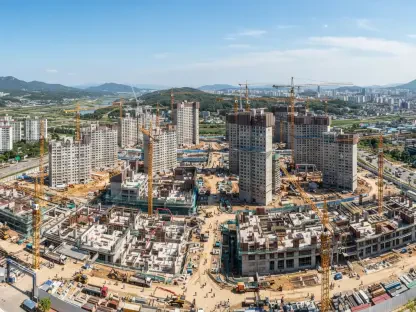
Infrastructure remains the skeletal structure of any thriving city, and the latest approvals for a Rail Over Bridge (ROB) near Lingampally serve as a vital intervention for local logistics. For years, the intersection of rail lines and arterial roads has created significant bottlenecks that delayed both commuters and freight, leading to economic inefficiencies. By greenlighting this project alongside several road-widening initiatives, the corporation is directly addressing the friction points that impede the flow of traffic. These projects are not isolated improvements but are part of a larger plan to integrate Vacuum Dewatered Cement Concrete (VDCC) roads into the city’s grid. This specific paving technology offers superior durability compared to traditional asphalt, ensuring that the heavy volume of vehicles typical of a tech corridor does not lead to frequent road degradation. These investments are designed to create a seamless transit experience that accommodates the current density while preparing for the anticipated growth of the coming years.
Beyond the physical roads themselves, the municipal strategy is embracing a shift toward greener energy through the systematic procurement of electric vehicles (EVs) for administrative use. Transitioning the official fleet to electric power serves a dual purpose: it reduces the immediate carbon footprint of the local government and acts as a signal to the private sector regarding the viability of sustainable transport. This move is complemented by the necessary relocation of utilities and the expansion of storm water drains, which are critical for protecting the integrity of new infrastructure. During the monsoon season, traditional urban landscapes often struggle with drainage, but the planned enhancements aim to mitigate flooding risks that have historically paralyzed the region. By synchronizing the rollout of EVs with more resilient drainage systems, the corporation is building an environment where technology and civil engineering work in tandem to ensure that the city remains operational regardless of the weather conditions or energy costs.
Social Welfare: Prioritizing Public Health and Labor
A city is only as strong as the people who maintain it, and the latest administrative reforms place a significant emphasis on the welfare of the essential workforce. The decision to approve a wage increase for sanitation workers acknowledges the reality that public hygiene is the foundation of urban health. These workers are frequently the first line of defense against disease and environmental degradation, yet their contributions have often been undervalued in traditional budgeting. By formalizing this pay rise, the corporation is not only improving the standard of living for these individuals but also ensuring the long-term stability of the municipal service departments. This human-centric approach to governance suggests that high-tech urban planning must be balanced with social equity to be truly successful. The investment in labor is expected to yield results in the form of cleaner streets and more efficient waste management, which are critical factors in the overall quality of life for the district’s residents.
In addition to supporting the workforce, the establishment of a new ESI Dispensary provides a tangible boost to the local healthcare infrastructure. This facility is strategically positioned to serve the medical needs of the local population, ensuring that basic healthcare is accessible without requiring long-distance travel to overburdened central hospitals. This decentralized approach to medical services is a key component of modern urban planning, as it reduces the strain on the city’s core infrastructure while providing faster response times for patients. To expedite these and other public projects, the standing committee has delegated enhanced powers to various departments, effectively reducing the bureaucratic hurdles that often stall essential developments. This administrative streamlining allows for a more agile response to community needs, ensuring that health and welfare initiatives are implemented with the same urgency as major engineering works. By empowering local officials, the corporation is fostering a more responsive and accountable governing structure.
Environmental Stewardship: Integrating Nature and Governance
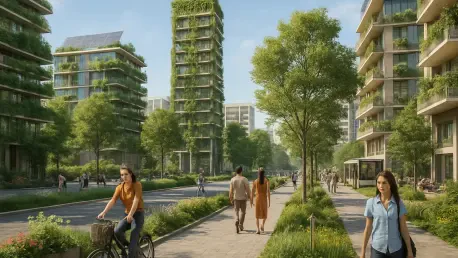
The preservation of natural resources within an urban environment is often a secondary thought, but the new initiatives place environmental sustainability at the center of the city’s growth. The approval of lake maintenance programs reflects a sophisticated understanding of the role that water bodies play in local microclimates and flood prevention. Urban lakes are not merely aesthetic features; they are critical components of the ecosystem that help manage runoff and support local biodiversity. Through the use of Corporate Social Responsibility (CSR) partnerships, the corporation is tapping into the resources of the private sector to develop and maintain public parks. This collaborative model allows for high-quality green spaces to be built and preserved without placing an undue burden on the municipal budget. These parks provide a necessary respite for residents, offering spaces for recreation and social interaction that are often missing in densely populated industrial or technology districts.
Effective urban governance in the current era required a shift away from isolated projects toward a holistic model that integrated ecological health with physical expansion. The administration successfully moved to bypass traditional delays by granting executive autonomy to key departments, ensuring that environmental and infrastructure projects met strict deadlines through the end of the year. This proactive stance allowed the city to begin the transition toward a more sustainable future by utilizing private sector efficiency to bolster public goals. Moving forward, urban planners should prioritize the creation of multi-use green zones that serve as both community hubs and natural drainage basins. Local businesses should also be encouraged to participate in the ongoing maintenance of these areas to ensure long-term viability. By focusing on these interconnected systems, the region established a framework for a resilient, health-oriented city that prioritized the well-being of its citizens alongside its technological aspirations.