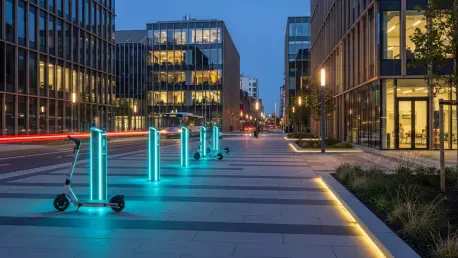

The massive redevelopment of Portsmouth’s northern city center represents a pivotal shift in how mid-sized coastal hubs reconcile their industrial heritage with the demands of a modern, tech-driven economy. For decades, the area once dominated by the Tricorn and later the Cascades shopping center felt like a relic of a bygone era, isolated from the city’s vibrant maritime history. Today, the City Center North project is actively dismantling these physical and economic barriers, creating a unified district that blends residential high-rises with sprawling public gardens. This ambitious master plan does not merely aim to add more retail space; it seeks to redefine the very concept of urban living in the United Kingdom. By integrating advanced sustainable technologies and focusing on human-centric design, the project serves as a blueprint for other cities grappling with post-retail decline. The current phase of construction emphasizes transparency, connectivity, and environmental stewardship, ensuring that the heart of Portsmouth is no longer a concrete desert but a living, breathing ecosystem designed to support a diverse and growing population for many years to come.
Integrating Sustainable Infrastructure and Urban Connectivity
Developing a Multi-Modal Transportation Network: The Pedestrian Priority
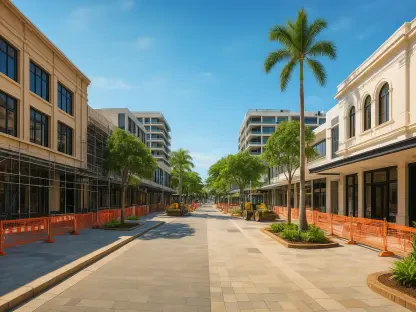
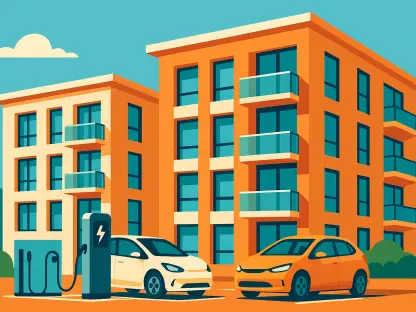
Central to the revitalization of the northern district is the radical reorganization of traffic flow and pedestrian access to eliminate the car-centric bottlenecks that previously choked growth. Developers and urban planners have prioritized a “fifteen-minute city” model, where essential services, workplaces, and recreational areas are all within a short walk or bike ride from residential clusters. This transition involves the creation of broad, tree-lined boulevards and the expansion of the existing bus rapid transit links that connect the city center to the surrounding Portsmouth region. By reducing the reliance on private vehicles, the project significantly lowers the carbon footprint of the area while improving the air quality for thousands of residents. Furthermore, the inclusion of smart cycling lanes equipped with inductive charging points for electric micro-mobility devices demonstrates a commitment to future-proof infrastructure. These pathways are strategically designed to link the historic dockyards with the new commercial zones, fostering a sense of geographic unity that was previously absent due to fragmented planning.
Establishing Green Corridors: A Resilient Environmental Framework
The environmental strategy for City Center North transitioned from conceptual drawings to physical reality through the implementation of massive green corridors that serve as natural flood defenses. These urban forests and rain gardens were engineered to manage the unique hydrological challenges of a coastal city, effectively capturing runoff and mitigating the heat island effect. Local authorities ensured that biodiversity remained a core component of the development, reintroducing native plant species that provide habitats for pollinators within the dense urban fabric. By shifting the focus toward resilient architecture, the project participants proved that commercial viability and ecological health can coexist in a high-density environment. Future stakeholders were encouraged to maintain these public spaces through community-led initiatives and private-sector partnerships that fund ongoing maintenance. The success of this model suggested that similar brownfield sites across the nation could be reclaimed as productive, carbon-negative assets. Moving forward, the integration of modular building techniques and onsite renewable energy production will become the standard for all subsequent phases of Portsmouth’s expansion.