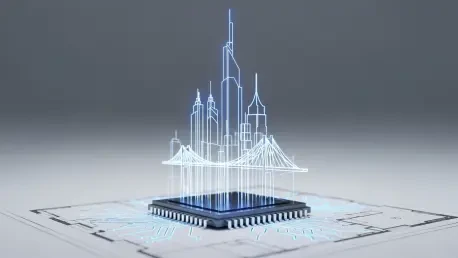

The sight of a foreman unfurling a massive, paper-based blueprint is rapidly becoming a relic of a bygone era as the construction sector pivots toward a digital-first philosophy. This fundamental transition is being fueled by a relentless demand for surgical precision and a drastic reduction in the costly human errors that have historically plagued large-scale infrastructure projects. By moving far beyond the limitations of two-dimensional sketches and static physical models, modern building firms are discovering innovative ways to navigate the increasingly complex logistical demands of contemporary architecture. The industry is currently witnessing a total overhaul of its traditional workflows, replacing reactive, site-based problem-solving with a sophisticated ecosystem of data-driven planning and pre-visualization. This shift ensures that every structural element is accounted for long before the first excavator arrives on the scene, creating a level of transparency and reliability that was previously unattainable in the high-stakes world of heavy construction and urban development.
Beyond the mere digitization of documents, the integration of advanced sensors and high-speed connectivity is creating a living feedback loop between the office and the field. Instead of waiting for weekly progress reports that might hide emerging issues, project managers now have access to real-time streams of telemetry and visual data. This constant flow of information allows for a more agile management style, where minor deviations can be corrected before they cascade into major structural failures or budget overruns. The result is a more resilient industry capable of tackling ambitious designs that would have been deemed too risky or complex just a decade ago. As these technological foundations become more robust, the very definition of a construction site is changing, evolving from a place of manual labor into a sophisticated laboratory where physical execution is guided by a precise digital twin.
Integrating Virtual Reality and Predictive Intelligence
Virtual Reality and Artificial Intelligence have successfully shed their reputations as experimental novelties to become the bedrock of high-efficiency construction management. Rather than simply providing a novel way to view a building, these technologies function as predictive engines that allow project leads to anticipate logistical bottlenecks and safety hazards with remarkable accuracy. AI-driven algorithms can now process historical project data to identify patterns that lead to delays, while VR environments allow teams to stress-test their building sequences in a simulated space. This proactive management style ensures that when crews finally begin physical work, they are following a validated path that has already been “constructed” and optimized thousands of times in a digital sandbox. The ability to foresee a clash between a ventilation duct and a structural beam before either is fabricated represents a massive leap in operational efficiency that directly protects the bottom line.
The democratization of these powerful tools is a defining trend of the current market, as cost-effective mobile headsets and cloud-based processing make immersive tech accessible to boutique firms and independent contractors. While enterprise-grade VR systems still provide the highest fidelity for massive infrastructure projects, smaller residential builders are now using smartphone-compatible accessories to conduct site walkthroughs and troubleshoot renovations. This accessibility means that the advantages of high-tech planning are no longer reserved for skyscraper projects but are becoming a baseline expectation across the entire industry. Experts suggest that within the next few years, the use of immersive software for routine design verification and remote site inspection will be as common as using a tape measure. This widespread adoption is forcing a rapid evolution in the skills required for the modern workforce, placing a premium on digital literacy alongside traditional trade expertise.
Enhancing Project Design and Client Interaction
The implementation of Virtual Reality is fundamentally changing the psychological dynamic between architects and their clients by eliminating the “perception gap” inherent in flat drawings. For decades, stakeholders have had to rely on their imagination to translate 2-D blueprints into a sense of scale, volume, and light, often leading to disappointment or expensive change orders once the physical structure began to take shape. VR bridges this communication divide by allowing a client to physically walk through a digital representation of their project, experiencing the height of the ceilings and the flow of natural light in a visceral way. This immersion allows for a more intuitive understanding of the space, enabling non-experts to provide meaningful feedback that is grounded in experience rather than a struggle to interpret technical symbols.
By facilitating real-time modifications during these virtual tours, firms can dramatically accelerate the approval phase of a project while simultaneously boosting client confidence. When a stakeholder can see the immediate impact of moving a wall or changing a material finish, the decision-making process becomes more collaborative and transparent. Furthermore, these high-fidelity virtual experiences serve as potent marketing assets that allow developers to pre-sell units or secure funding by showcasing a finished product that exists only in code. The ability to offer a “guaranteed” vision of the future provides a competitive edge in a crowded market, as clients are naturally drawn to the certainty and clarity provided by immersive walkthroughs. This shift toward total visual transparency is setting a new standard for customer service in the building trades, where the client’s emotional connection to the space is nurtured long before the foundation is poured.
Improving Site Safety and Workforce Skills
Safety remains the most critical priority on any job site, and the rise of VR training modules is providing a revolutionary way to mitigate the inherent risks of construction work. Historically, the only way to train a crane operator or a heavy equipment driver was to put them behind the controls of a real machine, where a split-second mistake could lead to catastrophic injury or millions of dollars in equipment damage. Today, trainees can log hundreds of hours in a high-fidelity virtual environment that perfectly mimics the physics and controls of specialized machinery. This “fail-safe” training sandbox allows operators to experience emergency scenarios—such as a mechanical failure or an unexpected obstacle—in a controlled setting where they can refine their reflexes without any real-world consequences. This level of preparation ensures that when an employee enters a live site, they do so with a degree of competence and muscle memory that traditional classroom instruction could never provide.
The impact of digital training extends far beyond the simulated cockpit, offering a lifeline to construction projects in remote or underserved geographical regions. In areas where access to specialized trade schools is limited, cloud-based VR modules allow local workforces to receive world-class instruction without the need for expensive travel or the relocation of master trainers. This “tele-training” capability is essential for maintaining global safety standards across a company’s entire portfolio, ensuring that a crew in a rural mountain pass is operating with the same rigor as one in a major metropolitan hub. By decentralizing education, technology is creating a more equitable industry where high-level skills can be acquired anywhere with an internet connection. This global standardization of safety protocols not only protects lives but also ensures a consistent quality of workmanship that is vital for the long-term integrity of modern infrastructure.
Optimizing Operations and Reducing Waste
Financial sustainability in construction is increasingly tied to the prevention of “rework,” a pervasive issue where errors in the initial build necessitate the demolition and reconstruction of finished sections. By utilizing specialized 360-degree cameras and AR-enabled software, engineers can now overlay digital design plans directly onto the physical job site to verify the placement of every pipe, wire, and bolt. This immediate verification process allows teams to catch miscalculations—such as a concrete slab being poured several inches off the mark—before the materials cure and the mistake becomes a permanent, expensive problem. The ability to identify these discrepancies in real-time saves a staggering amount of money and prevents the massive environmental waste associated with discarding ruined construction materials.
Strategic resource management is also being refined through the use of digital site models that allow managers to oversee operations from a centralized remote office. Rather than requiring a full team of surveyors to be physically present for every minor calculation, managers can use drone-captured data and 3D scans to determine the precise volume of earth to be moved or the exact amount of lumber required for a specific floor. This remote capability reduces the logistical burden of transporting personnel to and from the site and allows for a more leaner, more focused on-site crew. As the industry moves toward these data-centric operations, the resulting increase in profit margins is providing firms with the capital needed to further invest in sustainable technologies. This creates a virtuous cycle where increased precision leads to better financial health, which in turn enables the adoption of even more advanced building methods.
Integrating Advanced Hardware and Management Software
The introduction of Augmented Reality and “Smart Helmets” is turning every individual worker on a site into a data-rich node within a larger project network. These next-generation hard hats are often equipped with transparent visors that can display real-time blueprints, thermal imaging, and safety alerts directly in the worker’s line of sight. This hands-free access to information is particularly transformative for complex electrical or plumbing installations, where a technician can see a digital “X-ray” of what lies behind a wall while they are working. This immediate access to data facilitates a level of onsite troubleshooting that was previously impossible, allowing field workers to collaborate with off-site specialists who can see exactly what the worker sees through a high-definition video feed. The result is a much smarter job site where information flows as freely as the materials, reducing the time spent waiting for clarification from headquarters.
To complement these hardware advancements, modern construction firms are adopting sophisticated administrative software that links the financial side of the business directly to physical progress. Estimating tools and point-of-sale platforms have evolved into comprehensive management ecosystems that track everything from material inventory and payroll to project timelines and client payments in one unified interface. This integration ensures that the business side of a project is just as precise as the engineering side, providing a level of transparency that is essential for maintaining trust with investors and regulatory bodies. By creating a seamless digital thread that connects the initial bid to the final payment, companies can operate with a degree of resilience and agility that is necessary to survive in a volatile global economy. These systems do more than just manage data; they provide a clear, auditable trail of every decision and transaction, ensuring that the project remains compliant and profitable from start to finish.
Navigating the Future of Digital Construction
The transition into a fully digitized construction landscape requires a strategic shift in how firms approach both technology and talent management. Moving forward, the most successful organizations will be those that view technological adoption not as a series of isolated purchases, but as a holistic commitment to a data-driven culture. This involves moving beyond the “siloed” approach where the design team uses VR and the field team uses paper, toward a unified environment where every stakeholder interacts with the same digital twin. To facilitate this, companies should prioritize the development of internal “tech champions” who can bridge the gap between traditional craft and digital tools, ensuring that the technology serves the needs of the workers rather than becoming a burden. Investing in robust cybersecurity measures is also a critical next step, as the increasing reliance on cloud-based project data makes construction firms a potential target for digital threats.
Furthermore, the industry must look toward the integration of Internet of Things sensors into finished structures to provide long-term value to building owners. By embedding sensors into the “nervous system” of a building during the construction phase, firms can offer clients a product that monitors its own structural health, energy consumption, and maintenance needs throughout its lifecycle. This shift from “builder” to “lifecycle partner” represents a significant evolution in the business model of construction, opening up new revenue streams and deeper client relationships. As the sector moves toward 2027 and beyond, the focus will likely shift from merely how we build to how we manage the entire lifespan of our built environment. The ultimate goal is to create a seamless continuum of information that begins at the first virtual walkthrough and continues for decades, ensuring that our infrastructure remains as smart, safe, and efficient as the day it was conceived.