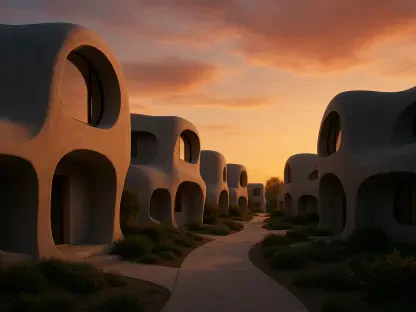

The rise of the Mediterranean style, though still a niche market, indicates a growing interest in bringing global design influences into British domestic spaces. This shift reflects a broader desire among homeowners to move away from cookie-cutter designs toward environments that reflect personal travel experiences and aesthetic sensibilities. In the current landscape of home renovation, the bathroom has evolved from a purely functional utility room into a curated sanctuary. Recent data suggests that over a third of homeowners are now actively prioritizing the creation of a focal point, often through the introduction of an accent wall. While neutral tones such as off-white and beige remain the foundational colors for many projects, the appetite for bold expression is clearly visible in the selection of vibrant hues for specific features. This trend represents a departure from the stark minimalism of previous years, suggesting that personalization is now the primary driver for renovations across the country.
Aesthetic Personalization Through Bold Color Choices
Modern British homeowners are increasingly leveraging accent walls to break the visual monotony of traditional neutral palettes, with over a third of renovators incorporating this feature. The primary motivation behind this choice is to create a distinct visual anchor within the room, transforming the space into something more than just a place for hygiene. Interestingly, color has emerged as the preferred medium for these accents, with a majority of people choosing paint or colored materials over complex patterns or heavy textures. This preference highlights a move toward clean but emotionally resonant design. By focusing on a single wall, individuals can experiment with daring aesthetics without overwhelming the entire square footage of the room. This approach allows for a flexible design strategy where a homeowner can maintain the brightness associated with neutral main walls while still expressing their unique taste through a dedicated, colorful section that defines the character of the suite.
The Strategic Use of Green and Blue Tones
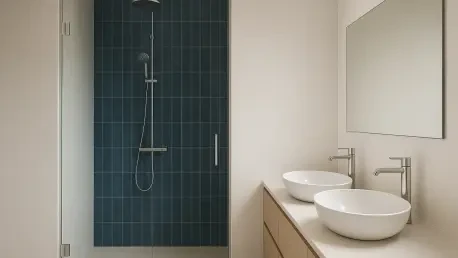
Specific color trends indicate that green and blue are currently dominating the market for these personalized accent features, accounting for a significant portion of choices. These shades are frequently applied to the shower area, turning what was once a utilitarian stall into a vibrant design statement. The preference for these particular colors often stems from a desire to evoke a sense of tranquility and a connection to the natural world, which complements the broader global influences appearing in modern homes. When paired with neutral surroundings like off-white or light beige, these colors provide a sophisticated contrast that feels both modern and timeless. This strategic use of color is not merely about following a fad; it is about creating a sensory experience that aligns with the homeowner’s psychological need for a calming environment. Consequently, the bathroom is no longer just a room to be used, but a space to be experienced, defined by specific hues that resonate with the inhabitant.
Modern Material Selection and Layout Shifts
Wall finishes and basins remain the most frequently updated elements during a renovation, with the vast majority of projects focusing on these critical areas. Tile continues to reign supreme as the dominant material for shower walls, appearing in nearly all modern British bathroom updates. However, the specific type of tile used has seen a dramatic shift, as rectangular designs have experienced a significant surge in popularity. This marks a notable decline in the use of traditional metro tiles, which were once the industry standard. The current preference leans toward sleek, elongated lines that contribute to a feeling of height and spaciousness. Furthermore, the way these tiles are laid has become a key design choice, with grid and vertically stacked configurations becoming the most common arrangements. These patterns provide a sense of order and modern geometry that resonates with the contemporary style favored by many in the United Kingdom, ensuring that the final look is both structured and visually appealing.
Structural Innovations and Professional Guidance
Contrary to earlier predictions that the bathtub would be phased out in favor of oversized walk-in showers, current data shows that this fixture remains a resilient staple of the British home. A majority of renovators are choosing to either add or replace a bathtub during their project, suggesting that the ritual of bathing continues to hold significant cultural and personal value. Interestingly, standard baths have seen an increase in popularity recently, actually overtaking more specialized soaking tubs in certain demographics. This trend may be attributed to a desire for versatility and practical comfort in everyday use. While some homeowners do remove the tub to create a larger shower area, many still view the bath as an essential component for both relaxation and resale value. This balanced approach ensures the bathroom remains functional for diverse needs while still allowing for luxury, proving that traditional elements can adapt to modern lifestyles without losing their inherent appeal or necessity.
The Impact of Professional Services and Technology
The complexity of modern bathroom renovations has led to a high level of professional involvement, with most homeowners hiring experts to manage their projects. General tradespeople and dedicated bathroom fitters are the most common hires, reflecting a preference for skilled labor to handle intricate plumbing and structural work. One of the most significant hurdles for those embarking on a renovation journey is project visualization. It can be difficult for a homeowner to imagine how specific colors, tiles, and layouts will look once completed. To address this, professionals are increasingly turning to advanced technology, such as 3D floor planning tools. These digital solutions allow clients to see a virtual representation of their design before a single tile is laid. This technological integration reduces the risk of dissatisfaction and ensures that the final result matches the homeowner’s vision, fostering a more collaborative and transparent relationship between the client and the contractor throughout the process.
Strategic Planning for Future Renovations
British homeowners successfully navigated the transition toward highly personalized domestic spaces by balancing bold aesthetic choices with professional guidance. The focus shifted away from generic installations toward customized environments that featured colorful accent walls and modernized traditional fixtures like the bathtub. Designers and contractors utilized advanced 3D visualization tools to bridge the gap between initial concepts and final execution, ensuring that structural expansions met the long-term needs of the household. Moving forward, individuals should consider how the integration of global influences, such as Mediterranean textures, can enhance the value and comfort of their living areas. It was essential to prioritize high-quality materials and professional expertise to ensure that these vibrant updates remained durable and functional. Those planning future projects might look to incorporate handleless cabinetry and specific tile configurations to maintain a contemporary edge while exploring deeper color palettes.