
The deep-seated connection between the literary worlds people inhabit during their leisure hours and the physical environments they construct for themselves often transcends simple aesthetic appreciation. When a reader spends hours immersed in a meticulously described setting, the emotional resonances of that world begin to seep into their subconscious preferences for lighting, texture, and spatial organization. This phenomenon is more than just a fleeting desire to replicate a specific scene; it is a profound search for a tangible manifestation of the moods and historical contexts that resonate with one’s inner self. By analyzing iconic works of fiction, it becomes clear that literature provides a sophisticated visual and emotional blueprint that guides the selection of everything from furniture silhouettes to color palettes. Ultimately, the books on a shelf do more than occupy space; they act as a silent curator, shaping the very essence of what a home represents to its inhabitant.
Translating Literary Settings into Distinct Design Movements
Those who find themselves captivated by the atmospheric mystery of Daphne du Maurier’s Rebecca often gravitate toward a Gothic Revival style that prioritizes architectural drama over conventional warmth. This aesthetic choice is rooted in the haunting allure of Manderley, where the design language speaks through arched doorways, floor-to-ceiling windows, and long, echoing corridors that invite a sense of curiosity. The color palette is intentionally moody, favoring dark wood finishes and heavy, floor-length drapes that create a feeling of history and weight. Such spaces are not intended to be immediately cozy but rather to evoke an eerie energy that feels both theatrical and deeply intentional. This approach to interior design suggests that the home is a living entity, a place where the architecture itself tells a story and where every shadow is a deliberate part of the overall composition, favoring pieces that suggest a storied and perhaps slightly mysterious past.
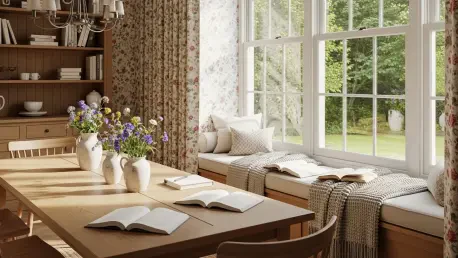
In stark contrast to the dramatic shadows of a Gothic estate, a preference for Louisa May Alcott’s Little Women often manifests as a devotion to the Cottagecore or Modern Farmhouse aesthetic. This style draws its primary inspiration from the domestic warmth of Orchard House, where the focus remains on approachability and nostalgic charm. Key elements include intricate patterned wallpapers, an abundance of natural wood, and a layered use of textiles such as quilts and hand-woven rugs. There is an explicit rejection of clinical perfection in favor of a lived-in look, where the marks of daily use on furniture are seen as badges of comfort rather than flaws to be hidden. For individuals aligned with this literary world, the home should feel unfussy and loved, a sanctuary where collected items are displayed openly to create a welcoming atmosphere. It represents a careful balance between the grandeur of tradition and the humility of rural life, prioritizing emotional needs over rigid design rules.
The opulent world of F. Scott Fitzgerald’s The Great Gatsby provides the ultimate template for enthusiasts of Art Deco opulence and Jazz Age glamour. This decorating style is defined by its use of gilded surfaces, bold geometric patterns, and high-end materials such as veined marble and crystal. While the sprawling mansions of West Egg might suggest a purely maximalist dream of gold accents and towering chandeliers, the literary influence also extends to more grounded interpretations of the era. For instance, the functional elegance of smaller spaces, like Nick Carraway’s cottage, offers a version of the 1920s that focuses on rich, glossy woods and a more restrained sense of luxury. Those whose homes are shaped by this aesthetic are often courageous in their design choices, frequently utilizing jewel-toned palettes and dramatic lighting to create a sense of celebration. It is a style that encourages confidence, reminding the inhabitant that a home can be a stage for the finer things in life.
Readers who admire the sophisticated atmosphere of Patricia Highsmith’s The Talented Mr. Ripley frequently adopt a Transitional style that seamlessly merges antique traditions with contemporary refinements. This aesthetic is epitomized by the idea of an Italian coastal villa, where old-world charm is balanced by modern sensibilities to create a space that feels both curated and effortless. A Ripley-inspired interior often features a blend of wrought-iron furniture, rustic sun-drenched details, and mid-century modern objects that reflect the discerning eye of a worldly traveler. The goal is to achieve a pared-back look that avoids the stiffness of purely traditional rooms while maintaining a high level of quality. By hanging modern art against aged walls or sourcing singular pieces during travels, these decorators create a home that feels authentically lived-in yet intellectually stimulating. This approach suggests a preference for high-quality craftsmanship and a rejection of mass-produced decor.
The enduring legacy of Jane Austen’s Pride and Prejudice points toward an English Country aesthetic that embraces what might be called affectionate chaos. Rather than the intimidating and cold grandeur often associated with aristocratic estates like Pemberley, this style finds its heart in the more modest and charming setting of Longbourn. The decor typically involves dark mahogany furniture and large oil paintings, but these formal elements are softened by a whimsical and unexpected quality that makes the house feel like a home. It is an aesthetic that honors aging and heritage; rooms may appear slightly past their prime, yet they are rich with character and personal family history. For the Austen-inspired decorator, the objective is to cultivate a homey essence that remains flexible enough to accommodate the vibrant reality of daily life. This style represents a firm rejection of the sterile show home concept, favoring instead a space that is deeply personal and welcoming.
Modern Trends in Narrative-Driven Interior Design
A significant shift is currently occurring in the world of interior design, as homeowners increasingly move away from sterile minimalism toward spaces that are narrative-driven. This movement highlights a growing desire for homes to possess a soul and a tangible sense of history, rather than merely serving as functional containers for living. Whether a person is drawn to the moody intensity of Gothicism or the rustic, layered warmth of a farmhouse, there is a shared goal of making the physical environment an extension of a personal story. This trend is supported by the rise of slow decorating, where pieces are collected over time rather than purchased in a single transaction, ensuring that every object has a reason for being in the space. By prioritizing items that evoke specific literary moods or historical eras, individuals are able to create interiors that feel deeply resonant and psychologically grounding. This evolution suggests that design lies in the ability to weave complex narratives.
Another notable trend emerging from these literary influences is the strategic focus on zoning and the creation of secondary, intimate spaces within the home. In literature, grand public rooms are frequently contrasted with quiet, private nooks, and modern decorators are applying this concept to satisfy a diverse range of aesthetic and functional needs. Rather than committing to a single, monolithic style for an entire house, there is a growing trend toward designing smaller rooms—such as a reading alcove or a compact home office—that offer a different atmosphere than the primary living areas. This allowed for a more varied and personal design experience, where a person can move from an Art Deco-inspired living room into a cozy, Cottagecore-themed study. This architectural flexibility acknowledges that human emotions are multifaceted and that a home should provide different environments to suit various moods. By treating each room as a distinct chapter, decorators achieve high complexity.
Future Considerations: Actionable Design Strategies
The analysis of these literary connections demonstrated that books functioned as a reliable compass for identifying an individual’s true decorating style. By focusing on the emotional impact of a space rather than just its visual components, homeowners successfully bypassed fleeting trends to create environments that felt genuinely authentic. The process of auditing one’s own bookshelf became a practical first step in defining a long-term design vision, as it revealed the specific textures, light levels, and historical periods that most resonated with the psyche. Designers encouraged the integration of these insights by suggesting that residents start with one hero piece that anchored a room in its literary inspiration. This approach ensured that the home evolved into a living narrative, where every choice from wall coverings to upholstery contributed to a larger thematic whole. Ultimately, the transition from being a reader to a curator allowed for a more profound connection with the home.