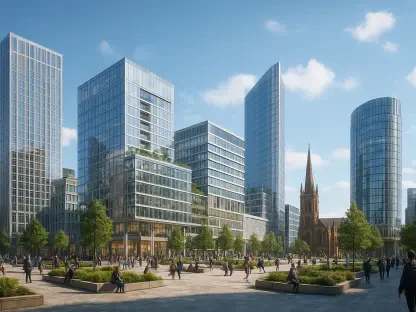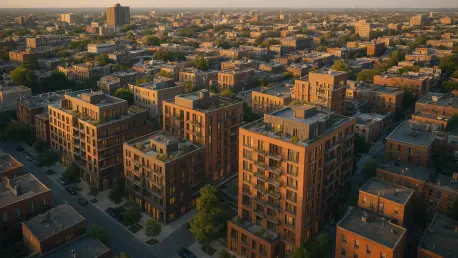

Rents in Bellingham have surged nearly thirty percent above national trends, highlighting a severe mismatch between the supply of homes and the needs of a growing population. While many critics point toward automated pricing systems as the primary catalyst for these spikes, the underlying reality remains centered on a profound lack of inventory. In 2026, the discussion has shifted from purely regulating software to addressing the permit backlogs and restrictive land-use policies that prevent new construction from keeping pace with demand. Although software solutions optimize revenue for property managers, they essentially reflect the existing tightness of the market rather than generating it. The city’s experience serves as a microcosm for broader national struggles where the rate of household formation consistently outstrips the completion of new apartment complexes. Consequently, the focus is now squarely on how to incentivize diverse housing types that accommodate various income levels.
The Intersection of Data and Rent Hikes
Distinguishing Correlation From Causality
Technological platforms often serve as a convenient target for public frustration regarding high living costs, yet their role is primarily reactive. Algorithms analyze real-time data such as occupancy rates, local amenity values, and historical demand to suggest optimal pricing for landlords. However, these tools cannot conjure high prices in a saturated market; they merely identify the maximum price a renter is willing to pay when options are scarce. From 2026 to 2028, researchers observed that even in jurisdictions where algorithmic pricing was restricted, rents continued to climb due to sub-three percent vacancy rates. This scarcity creates a competitive environment where prospective tenants are forced to outbid one another for a limited pool of available units. Until the supply side of the equation is adequately addressed, the removal of specific software will likely result in a manual price adjustment that follows the same upward trajectory dictated by basic economic principles.
Regulatory Responses to Modern Leasing Tools
Regulators have increased their scrutiny of property management software, alleging that such systems facilitate tacit collusion among competitors. While these legal challenges aim to protect consumer interests, they often overlook the fundamental structural deficits in the housing market. Even if a court ruling were to dismantle the current pricing models, the lack of several million housing units across the country would remain the dominant factor in pricing. The focus on software often distracts from the more difficult work of reforming building codes and reducing the excessive fees that make new projects financially unfeasible. Critics argue that blaming technology provides a politically palatable solution to a problem that actually requires difficult compromises on urban density and neighborhood character. Without a significant increase in the volume of available homes, pricing will continue to reflect the imbalance between high demand from a mobile workforce and a stagnant supply of physical buildings.
Strategies for Stabilizing the Housing Market
Reforming Obsolete Zoning and Land Use
Addressing the housing crisis requires a fundamental shift in how cities approach land use and density. For decades, traditional zoning laws have prioritized single-family homes, effectively banning the construction of the missing middle housing that many modern families and professionals require. By legalizing duplexes, triplexes, and accessory dwelling units in neighborhoods previously reserved for detached houses, municipalities can create thousands of new residences without significantly altering the aesthetic of a community. From 2026 to 2028, pilot programs demonstrated that increasing density along transit corridors not only lowers individual housing costs but also boosts local economic activity. This approach naturally leads to a more sustainable urban environment where residents live closer to workplaces. Moreover, modernizing these regulations allows for the repurposing of underutilized commercial spaces into residential units, providing a flexible response to the evolving needs of the urban population.
Sustainable Paths for Urban Growth
In light of these findings, city officials adopted a multi-pronged approach to alleviate the mounting pressure on residents. They prioritized the elimination of parking minimums which previously inflated construction costs by thousands of dollars per unit. By streamlining the environmental review process, the local government accelerated the timeline for mid-sized developments from three years to eighteen months. Financial incentives were directed toward developers who integrated affordable units into market-rate projects, ensuring a diverse social fabric within new neighborhoods. Lawmakers also established a recurring fund for public infrastructure, which supported the utility upgrades necessary for higher density. These proactive measures shifted the focus from software litigation to the physical reality of shelter. The community recognized that while technology might assist in managing properties, only the physical expansion of the housing stock could fundamentally alter the trajectory of the rental market and ensure long-term stability for all citizens.