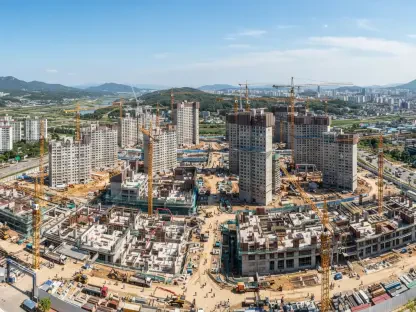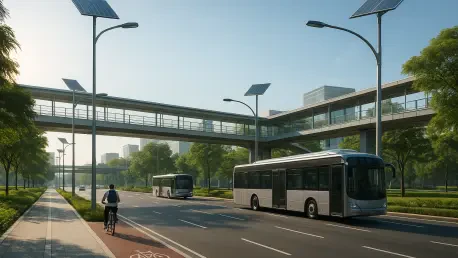

A dedicated Area-Based Development zone spanning 1,267 acres serves as the primary testing ground for intensive infrastructure modernizations including smart roads and pedestrian skywalks. This strategic initiative marks a pivotal shift for a city that has traditionally been defined by its heavy industrial output and sprawling manufacturing sectors. By integrating sophisticated technological frameworks into the existing urban fabric, the local administration is effectively steering the National Capital Region’s third-most populous city toward a more sustainable and efficient future. The transition is governed by a specialized entity designed to manage high-level investments and ensure that the modernization efforts remain aligned with both global standards and local requirements. As the metropolitan area continues to expand, the focus remains on creating a resilient environment that balances its historical significance as an industrial powerhouse with the contemporary demands of a rapidly digitizing population.
Transforming Connectivity and Public Utilities
Advancing Smart Mobility: Regional Integration Strategies
Within the designated smart zones, the implementation of “Smart Roads” has redefined how commuters interact with their environment by prioritizing accessibility and safety. These arterial routes are equipped with zero-emission travel paths and dedicated cycling tracks that encourage residents to opt for greener modes of transport. Beyond physical upgrades, the deployment of an Intelligent Traffic Management System allows for the dynamic adjustment of signal timings based on real-time vehicle densities. This technological layer is critical for a city that has long struggled with heavy congestion stemming from its industrial logistics chains. High-definition surveillance cameras and sensors now monitor intersections, providing data that helps reduce idling times and lower the overall carbon footprint of the transportation network. By emphasizing pedestrian-friendly designs like integrated skywalks, the mission ensures that the most vulnerable road users are protected while improving the overall aesthetic and functional quality of the city’s public corridors.
Strengthening regional integration is equally vital, as the city’s proximity to major economic centers like Delhi and Gurgaon demands a highly fluid cross-border transport strategy. The expansion of the Delhi Metro Violet Line and the modernization of key national highways have effectively woven the local economy into the broader regional fabric, facilitating the movement of thousands of daily workers. Multi-modal transport hubs are now being designed to allow for seamless transitions between rail, bus, and private transport, reducing the reliance on single-occupancy vehicles. This comprehensive approach is not merely about road widening but involves the creation of a sophisticated transit ecosystem that utilizes real-time data to inform commuters about delays or route changes. Consequently, the city is evolving into a more attractive destination for professionals who seek the amenities of a major metropolitan area without the traditional drawbacks of urban sprawl. Such connectivity is essential for maintaining the city’s competitive edge in attracting new talent and businesses.
Sustainable Infrastructure: Modernizing Waste and Water
Sustainable infrastructure serves as the bedrock of this urban renewal, particularly through the modernization of water distribution and treatment facilities. The administration has successfully implemented decentralized sewage treatment plants that alleviate the pressure on the central grid while ensuring that recycled water is available for non-potable uses like park irrigation. One of the most visible environmental triumphs is the ongoing rejuvenation of Badkhal Lake, a project that combines ecological restoration with the development of recreational spaces. By restoring the lake’s water levels through innovative groundwater recharge techniques, the city is not only reviving a local landmark but also improving the microclimate and biodiversity of the surrounding area. These efforts are part of a broader strategy to ensure that the rapid pace of urbanization does not lead to the depletion of vital natural resources. The focus on water security is particularly timely as the city anticipates further population growth and industrial expansion over the next several years.
Waste management protocols have been revolutionized to handle the massive output of an industrial population, with current systems capable of processing over 1,000 tons of solid waste every single day. This is achieved through a combination of zone-specific collection strategies and the use of specialized sorting equipment that maximizes the recovery of recyclable materials. Furthermore, the city has addressed the chronic issue of seasonal urban flooding by constructing an extensive network of stormwater drains that now cover the majority of the primary and secondary road networks. These “hidden” infrastructure improvements are critical for maintaining the city’s functionality during the monsoon season, preventing the economic losses associated with waterlogged streets and property damage. By investing in these fundamental utilities, the city has created a cleaner and more hygienic living environment that directly impacts the health and well-being of its residents. The systematic approach to sanitation reflects a commitment to long-term resilience and operational excellence.
Digital Governance and Socio-Economic Progress
Centralized Operations: The Role of Digital Integration
Centralizing the city’s complex operations is the Integrated Command and Control Centre, which acts as the technological nerve center for all municipal services. This facility aggregates data from thousands of connected devices, including streetlights, water meters, and traffic sensors, providing administrators with a holistic view of the city’s health in real time. Through the use of predictive analytics, the government can now anticipate potential issues—such as water main leaks or power grid imbalances—before they escalate into significant public disruptions. This proactive management style represents a fundamental shift in governance, moving away from reactive firefighting toward a data-driven model that prioritizes efficiency and transparency. In emergency situations, the center serves as a coordination hub for police, fire, and medical services, significantly reducing response times. By harnessing the power of the internet of things, the city is setting a new benchmark for how digital tools can be used to improve the reliability of public services and enhance the overall safety of the urban population.
The “Smart Park” initiative further exemplifies how technology is being blended with public spaces to improve the quality of life for families and individuals. Over 600 parks across the city are undergoing a transformation that includes the installation of smart poles equipped with public Wi-Fi, CCTV cameras for enhanced security, and environmental sensors that track air quality. These parks are no longer just patches of greenery; they have become integrated community hubs that feature solar-powered canopies and rainwater harvesting systems to maintain a neutral environmental impact. The focus on hygiene and accessibility ensures that these spaces are welcoming for all age groups, providing much-needed recreational relief in a densely populated industrial environment. By prioritizing the development of these green lungs, the city is addressing the mental and physical health needs of its citizens while simultaneously promoting sustainable urban design. This approach demonstrates that a smart city is not just about high-tech sensors, but about creating inviting and functional spaces where technology serves the public good.
Economic Growth: Driving Future Urban Innovation
Economic development has accelerated as a direct result of these infrastructure and digital improvements, making the region a magnet for high-value real estate and commercial investments. Businesses are increasingly drawn to the city because of its modernized logistics corridors and the transparency provided by digital governance tools, which simplify the process of obtaining permits and accessing public services. For residents, the improved air quality and reduced commute times have translated into a significantly higher quality of life, positioning the city as a top-tier residential choice within the National Capital Region. This economic vitality is bolstered by participatory governance platforms that allow citizens to provide direct feedback on ongoing projects, ensuring that the development trajectory remains aligned with the community’s actual needs. The synergy between technological advancement and economic growth is creating a self-sustaining cycle of investment that benefits both local entrepreneurs and multinational corporations. The city is proving that an industrial legacy can be a foundation for future innovation.
Moving forward, the blueprint for urban resilience in this region focused on the rapid adoption of electric vehicle infrastructure and the implementation of advanced circular economy principles. Planners prioritized the installation of citywide charging networks to support the transition toward zero-emission public and private transport. The success of these initiatives was grounded in a holistic philosophy that addressed the core pillars of safety, mobility, and governance rather than merely deploying technology for aesthetic purposes. By integrating industrial heritage with future-ready planning, the city served as an influential model for other historic urban centers across the country. The ongoing transformation confirmed that strategic financial investment combined with a clear long-term vision could successfully reinvent established industrial zones. Urban leaders recognized that the next phase of growth required a continued commitment to inclusivity and environmental stewardship. This proactive stance ensured that the city remained a vibrant, competitive, and livable hub well beyond the initial phases of its modernization journey.