
A single architectural constraint, hidden deep within the California building code, has dictated the shape and price of urban living for nearly a century by mandating dual exit paths. This “double-stair” requirement for any building over three stories often forces developers into a corner, resulting in the “Texas donut” style—massive, blocky structures with long, dimly lit corridors. By rethinking this rigid design element, the state could finally unlock the potential of narrow, underutilized urban lots, transforming them into vibrant residential hubs that feel more like homes than institutions.
The Century-Old Regulation Stalling California’s Vertical Growth
The current code mandates two separate staircases for almost every multifamily building, a rule originally intended to ensure safety before the advent of modern fire suppression. Unfortunately, this legacy regulation now serves as a barrier to efficient land use, making it nearly impossible to build small-scale, mid-rise housing on typical city lots. Because two stairs require a significant amount of floor space, developers must build larger, wider buildings to make the projects financially viable, which often eliminates the possibility of smaller, charming infill projects.
This architectural bottleneck has contributed to a landscape of extremes, where cities see either massive luxury complexes or low-density single-family homes, with very little “missing middle” housing in between. By removing the requirement for a second stairwell in mid-rise buildings, California can move away from bulky designs that dominate entire city blocks. This shift would allow for more diverse streetscapes and more efficient use of precious urban land, directly addressing the scarcity of developable space in coastal hubs.
The Legislative Push to Modernize the Point Access Block
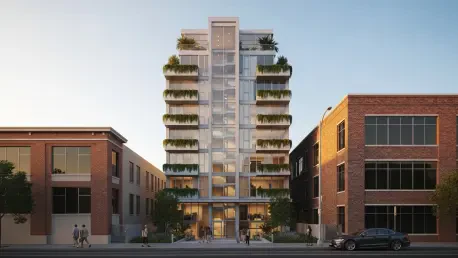
Assemblymember Alex Lee is currently leading the charge to legalize “Point Access Blocks”—buildings with a single central staircase—for structures up to six stories tall. This movement seeks to bring California in line with international standards already common in much of Europe and Asian cities like Tokyo, where single-stair designs are the norm. The legislative debate focuses on whether these modern architectural layouts can finally bridge the widening gap between skyrocketing construction costs and the desperate need for affordable, high-quality density.
The push for this reform is not merely about aesthetics; it is a calculated effort to streamline production in a state where seven other regions have already begun similar transitions. As lawmakers weigh the benefits, they are looking at successful models in Seattle and New York City, where single-stair buildings have existed safely for years. The goal is to provide a regulatory environment that encourages smaller developers to enter the market, fostering a more competitive and varied housing supply that isn’t limited to giant corporate real estate firms.
Unlocking Efficiency and Affordability Through Design Flexibility
Financial hurdles remain a primary obstacle to housing production, but single-stair designs offer a tangible path toward lower costs. Research from The Pew Charitable Trusts indicates that removing the second staircase can slash construction expenses by up to 13% by maximizing rentable or sellable square footage. By reducing the amount of concrete and steel required for redundant circulation areas, builders can pass those savings on to residents, making mid-rise urban living more attainable for middle-income families.
Beyond the balance sheet, this design flexibility fundamentally improves the living experience for the inhabitants themselves. Single-stair buildings allow for “family-sized” apartments that span the width of a building, offering windows on multiple sides for superior cross-ventilation and natural light. In contrast, the traditional double-loaded corridor design often limits units to a single exterior wall, creating “bowling alley” floor plans that lack airflow. Modernizing the code would prioritize human comfort alongside financial efficiency.
Weighing Expert Safety Concerns Against the Need for Density
Despite the clear benefits of increased density, the Office of the State Fire Marshal has expressed reservations regarding the six-story proposal. Fire officials have suggested a more conservative four-story limit, arguing that a second exit provides essential redundancy if smoke or structural damage blocks a primary path. This safety-first perspective emphasizes the traditional reliance on physical exit paths as the ultimate safeguard during a crisis, regardless of the technological advancements in fire prevention.
Housing experts and proponents of the bill counter these concerns by pointing to the massive leaps in safety technology over the last few decades. Modern buildings now feature automated high-pressure sprinkler systems, advanced smoke detection, and fire-resistant materials that were unavailable when the original stair mandates were drafted. They argue that these integrated systems create a safety profile that is significantly higher than that of older, dual-stair buildings, making the transition to six stories a manageable and logical step for California’s future.
Strategies for Integrating Single-Stair Designs into California’s Cities
The path forward requires a balanced approach to implementation, as seen in Culver City, which became the first in the state to adopt these standards locally. Future developments will likely emphasize the use of non-combustible materials and enhanced suppression systems to satisfy fire safety requirements while fitting into narrow urban gaps. By focusing on site-specific safety protocols rather than a one-size-fits-all mandate, cities can encourage architectural innovation that respects both safety and the need for more housing.
Ultimately, the state moved toward a model that favored architectural diversity over rigid, outdated mandates. Planners began prioritizing high-quality design standards that integrated these smaller footprints into the existing fabric of modern neighborhoods. This transition allowed for a more granular approach to urban development, proving that safety and density were not mutually exclusive goals. The adoption of single-stair blocks provided a vital tool for creating cost-effective, livable communities that better reflected the needs of a growing population.