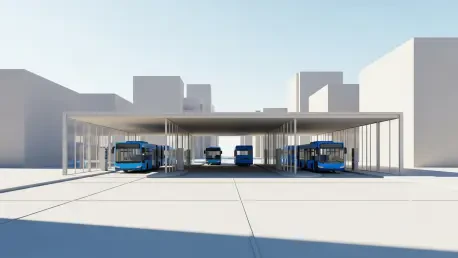

The sudden threat of losing a primary transportation artery in the heart of the Midwest prompted a decisive municipal intervention that could redefine the relationship between cities and private motorcoach services. Chicago has officially moved to purchase the historic West Loop Greyhound terminal for $19.2 million, a strategic acquisition intended to prevent the permanent closure of a site that serves as a cornerstone for regional mobility. For years, the facility faced the risk of being sold for high-rise development, which would have left thousands of travelers stranded without a central hub. By stepping in, the City Council has effectively signaled that intercity bus travel is no longer a peripheral service but a vital public utility. This transition from private ownership to municipal oversight reflects a broader shift in urban planning, where stability and long-term accessibility are prioritized over short-term real estate gains. As other major metropolitan areas struggle with station closures, Chicago’s proactive stance offers a potential blueprint for preserving the national transit network.
The Strategic Value of Public Transit Assets
Funding Modernization: The Power of Targeted Investment
Financing such a significant infrastructure project requires more than just political will; it demands a sophisticated use of existing fiscal tools to avoid depleting the general fund. The city is utilizing Tax Increment Financing by expanding the boundaries of a neighboring district to encompass the terminal property. This mechanism allows the municipality to capture the anticipated growth in property tax revenues generated by local development and reinvest those funds directly into the facility’s modernization. By leveraging this strategy, Chicago can fund necessary repairs and aesthetic upgrades while ensuring the station remains a competitive transit hub in an increasingly dense urban corridor. This approach minimizes the immediate financial impact on taxpayers while creating a self-sustaining model for public asset management. Furthermore, the decision to maintain the site under municipal control prevents the fragmentation of services that often occurs when private entities prioritize profit over public access.
Securing Control: Moving Beyond Private Reliance
The shift toward public ownership of the West Loop terminal addresses the inherent instability that has plagued the private bus industry since the consolidation of major carriers. When private equity firms manage essential transit infrastructure, the focus often shifts toward maximizing land value, sometimes at the expense of operational continuity. Chicago’s intervention effectively removes the terminal from the speculative real estate market, guaranteeing that it will remain a dedicated transportation facility for the foreseeable future. This stability is crucial for long-term planning, as it allows for deeper integration with other public transit agencies like the CTA and Metra. Moreover, by holding the deed to the property, the city can dictate service standards and safety protocols that might otherwise be neglected under private management. This move also provides a sense of security to the hundreds of workers whose livelihoods depend on the terminal’s daily operations. Ultimately, the city is betting that public stability will foster a more resilient ecosystem.
Future-Proofing the National Motorcoach Network
Ensuring Social Equity: Protecting Vital Transit Access
Beyond the economic and logistical implications, the acquisition serves as a critical safeguard for transit equity among the city’s most vulnerable populations. The terminal facilitates more than 450,000 trips annually, providing a lifeline for students, senior citizens, and low-income travelers who rely on the affordability of bus travel. For many of these individuals, the bus is not just a preference but a necessity for reaching family, healthcare, or employment opportunities in neighboring states. Without a centrally located station, many of these riders would face significant hurdles, including increased travel times and higher costs associated with reaching peripheral pickup points. By maintaining the West Loop location, the city ensures that long-distance travel remains accessible to everyone, regardless of their financial status or access to a personal vehicle. This commitment to social equity reinforces the idea that mobility is a fundamental right that should be protected by the government.
Regional Connectivity: Strengthening the Multimodal Bridge
The decision to acquire and modernize the West Loop terminal established a new standard for how major metropolitan areas protected their transit infrastructure. Urban leaders realized that allowing a central transportation hub to disappear would have caused irreparable damage to regional mobility and social equity. Moving forward, cities looked to this model of public intervention as a way to secure the future of the national motorcoach network. It was clear that reliance on private real estate interests alone could not guarantee the stability needed for essential public services. Governments prioritized the integration of diverse transit modes, ensuring that bus terminals were treated with the same importance as major airports or train stations. Future planning required a shift toward permanent public ownership or long-term leases that shielded vital facilities from market volatility. By taking these proactive steps, Chicago preserved a critical artery and provided a clear path for other cities to follow in the quest for a more connected and sustainable transportation future.