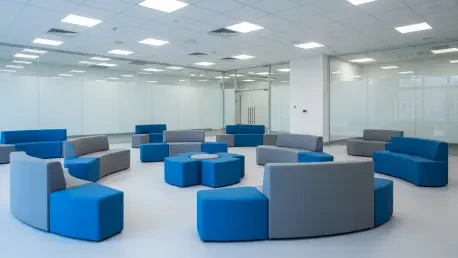

The architectural landscape of behavioral health facilities is currently undergoing a profound transformation as providers move away from traditional institutional aesthetics toward spaces that prioritize human dignity and clinical outcomes. This evolution is driven by a critical need to address a growing mental health crisis with environments that actively participate in the healing process rather than merely serving as holding areas for those in distress. Furniture selection has moved from the periphery of facility planning to the center of clinical strategy, where every chair, bed, and table must fulfill a dual purpose of rigorous safety and therapeutic comfort. Designers are now tasked with the complex challenge of integrating anti-ligature features and high-impact durability with the soft textures and warm palettes typically found in residential or high-end hospitality settings. This synthesis of form and function reflects a deeper understanding that the physical environment is a silent partner in psychiatric care, influencing everything from patient stress to staff retention.
Bridging the Gap: Security and Comfort
Maintaining a secure environment remains the absolute priority for any facility managing high-risk patient populations. Every piece of furniture must be meticulously engineered to eliminate potential ligature points where a patient might attempt self-harm. This includes recessed handles, seamless joints, and rounded edges that offer no purchase for cords or fabrics. Beyond the prevention of self-inflicted injury, the furniture must possess the structural integrity to withstand significant physical force without splintering or breaking into components that could be repurposed as tools or weapons. High-density polyethylene and reinforced steel are common materials used to achieve this level of hardened safety, yet the engineering must remain invisible to the user to prevent the space from feeling punitive. The technical requirements for these items are non-negotiable because the physical safety of patients and clinical staff serves as the bedrock upon which all other therapeutic interventions are built.
Creating Normative Spaces: The Therapeutic Goal
While safety protocols are rigid, the aesthetic approach to behavioral health furniture has become increasingly sophisticated to counteract the anxiety-inducing effects of sterile, clinical environments. Modern designers are utilizing innovative materials like antimicrobial fabrics that mimic the look and feel of traditional textiles while offering the necessary protection against pathogens and fluid ingress. These materials allow for a broader range of colors and textures, moving away from the drab grays and blues of the past in favor of calming earth tones and nature-inspired palettes. Research indicates that a more normative, home-like environment can significantly reduce instances of patient aggression and enhance the overall effectiveness of therapeutic programs. By incorporating soft-seating options that look like residential sofas but contain internal steel reinforcements and tamper-proof fasteners, facilities can create a welcoming atmosphere that respects the patient’s dignity and fosters a sense of trust.
Operational Stability: The Case for Floor Mounting
One of the primary operational decisions facing facility managers involves the method used to secure furniture within patient rooms and common areas to prevent it from being used as a projectile. Historically, floor mounting has served as the gold standard for high-acuity environments, providing an immobile and permanent solution by anchoring pieces directly into the building’s concrete subfloor. This method offers the highest possible level of security, as it effectively removes the risk of furniture being moved, overturned, or thrown during a behavioral crisis. However, the permanence of floor mounting introduces long-term challenges regarding the adaptability of the facility layout. As care models evolve or the specific needs of the patient population change, repositioning or replacing floor-mounted items becomes a disruptive and expensive construction project. The need to drill into the floor also necessitates careful planning to avoid damaging radiant heating systems or other integrated infrastructure.
Versatile Safety: The Role of Ballasted Furniture
As an alternative to the rigid nature of floor mounting, many facilities are increasingly turning to ballasting as a way to balance safety with environmental flexibility. This technique involves filling the internal cavities of specially designed furniture with heavy materials such as dry sand or steel weights, making the pieces too heavy for a single individual to lift or throw effectively. Ballasted furniture provides a secure environment while allowing staff to reconfigure spaces for different therapeutic activities or to accommodate fluctuating patient counts without the need for structural renovations. This adaptability is particularly valuable in common areas where social dynamics may require different seating arrangements to facilitate group therapy. However, the use of ballasted furniture requires a specialized logistics plan during installation, as the extreme weight of the pieces can easily damage high-performance flooring if not handled with precision by professional teams.
Procurement Excellence: Managing Technical Specifications
The procurement of specialized behavioral health furniture involves a much higher degree of complexity than standard commercial furniture due to the technical specifications and safety certifications required. Lead times are often significantly longer, sometimes stretching to several months, because many of these items are custom-manufactured to meet specific clinical demands and safety ratings. Healthcare organizations must initiate the furniture planning process during the early architectural design phases to ensure that the selected products align with both the clinical vision and the building physical constraints. Waiting until the final stages of a project to order these pieces often leads to substantial delays that can postpone the facility opening date and result in lost operational revenue. Effective project management requires constant communication between the clinical leadership, the design firm, and the furniture dealer to ensure that every safety specification is vetted against current standards.
Risk Mitigation: The Strategy of Environmental Zoning
A strategic approach to facility furnishing also involves the concept of environmental zoning, which differentiates between supervised common areas and unsupervised private spaces. In high-visibility areas like dining halls or activity rooms where staff presence is constant, designers may have more latitude to use furniture that focuses on comfort and social interaction. Conversely, in private patient rooms where direct observation is intermittent, the safety requirements must be at their most restrictive to mitigate risks when patients are alone. This zoning strategy allows for a more nuanced and cost-effective procurement process, ensuring that the highest-specification safety furniture is placed where it is needed most while other areas can benefit from a more normalized aesthetic. By carefully analyzing the risk profile of each space within the facility, providers can create a diverse environment that supports different stages of the patient journey and responds to varying levels of autonomy.
Future Resilience: Sustaining a Healing Environment
The integration of specialized furniture into behavioral health settings demonstrated that a harmonized balance between clinical safety and therapeutic comfort was achievable through meticulous planning. Facilities that prioritized a collaborative design process recognized that the physical environment played a decisive role in patient stabilization and staff productivity. It was determined that providers benefitted from implementing regular audits of all furniture assets to identify signs of wear or tampering before those issues evolved into safety hazards. The shift toward modular and ballasted solutions provided the necessary flexibility to adapt to changing psychiatric care models without requiring major capital investments in structural changes. It became evident that investing in high-quality, specialized pieces early in the development process reduced long-term replacement costs and enhanced the facility reputation. Organizations treated furniture as a critical clinical tool, ensuring that their spaces remained resilient.