
Luca Calarailli is a distinguished figure in the construction industry, recognized for his deep expertise in architectural design and his commitment to integrating cutting-edge technology into large-scale infrastructure. With a career defined by managing complex developments and a passion for sustainable innovation, he offers a unique perspective on how modern cities evolve through transit. In this conversation, we explore the strategic nuances of the multi-billion dollar Austin light rail project, discussing the logistical challenges of building an all-electric transit hub and the collaborative efforts required to transform urban mobility.
The procurement process for the light rail facility was completed in roughly one year. How does such a fast timeline influence the selection of a joint venture, and what specific risks does this compressed schedule help mitigate for a multi-billion dollar infrastructure project?
A one-year procurement window is exceptionally lean for a project of this magnitude, and it necessitates choosing a joint venture with a proven track record of immediate mobilization. By selecting the partnership of Kiewit and Austin Commercial so quickly, the Austin Transit Partnership effectively reduces the window for market volatility and cost escalation that often plagues decades-long developments. You can feel the urgency in this approach; it prevents the “analysis paralysis” that typically stalls public works, allowing the team to lock in delivery partners before economic shifts further impact the $7.1 billion budget. This speed also mitigates the political risk of losing public momentum, ensuring that the project moves from a conceptual tax initiative into tangible field investigations without the typical bureaucratic lag.
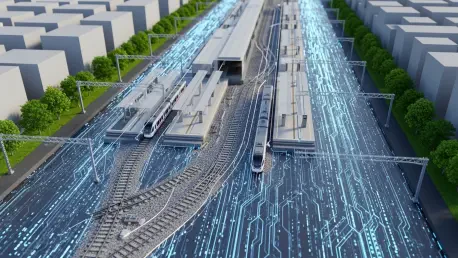
The operations and maintenance facility serves as the central hub for storage, service, and dispatching all-electric vehicles. What are the primary technical hurdles when designing these specialized spaces, and how must the infrastructure be configured to support future system expansions beyond the initial 10-mile alignment?
Designing an all-electric facility requires a sophisticated understanding of high-capacity charging infrastructure and the heavy-duty power grids needed to support a fleet of 15 stations. Unlike traditional diesel yards, this hub must manage the intense heat and electrical load of constant rapid charging while maintaining the specialized tools required for electric drivetrain maintenance. We are building this with a “future-proof” mindset, meaning the 10-mile alignment we see today is just the skeletal foundation for a much larger network. The physical layout must include modular service bays and scalable power substations so that when the city is ready to expand, the central nervous system of the rail line won’t need a total overhaul, saving millions in future retrofitting costs.
With total project costs reaching up to $7.1 billion, the development involves multiple major joint ventures. How are responsibilities coordinated between the delivery partners and preconstruction teams, and what metrics determine if the design, utility, and permitting phases are succeeding?
Coordination on a project this size feels like conducting a massive, multi-part orchestra where the LINC Austin JV handles the broader Phase 1 delivery while Austin Rail Constructors focuses on the $60 million preconstruction phase. To keep everyone in sync, we rely on hyper-transparent data sharing and rigorous milestone tracking, particularly as work begins on the design and permitting stages. Success isn’t just a checked box; it is measured by the seamless transition of field investigation data into final utility permits without triggering costly redesigns. When you have billions of dollars on the line, the primary metric is the “burn rate” of the budget versus the physical progress of the utility work, ensuring that every dollar spent aligns with the long-term vision of a functional transit system.
Local subcontractors represent about half of the design phase team for the upcoming facility. Why is local expertise vital for managing field investigations and permitting, and what step-by-step processes are used to integrate these firms into a massive, first-of-its-kind transit system?
Local expertise is the lifeblood of successful permitting because these firms possess an intimate, sensory understanding of Austin’s unique geological landscape and local regulatory climate. These ten subcontractors bring a “boots-on-the-ground” perspective that a national firm might miss, such as specific soil conditions or historical utility quirks buried beneath the city streets. The integration process begins with pairing these local specialists with the lead JV partners to ensure their niche insights are baked into the high-level engineering models from day one. By involving local firms in roughly half of the design phase, we create a feedback loop where community-specific knowledge directly informs the technical field investigations, resulting in a more resilient and locally-adapted infrastructure.
This system relies on a combination of dedicated tax revenue and federal grants to fund 15 stations. How do project managers balance these funding streams against fluctuating capital costs, and what long-term benefits do all-electric trains provide for the local urban environment?
Managing a $6.8 billion to $7.1 billion budget requires a delicate balancing act between the steady flow of local Proposition A tax revenue and the more variable nature of federal grants. Project managers must be incredibly agile, adjusting construction schedules based on when these funds are released to ensure the project never loses its pulse. The shift to all-electric trains is a game-changer for Austin, offering a whisper-quiet transit experience that drastically reduces urban noise pollution and eliminates tailpipe emissions along the 10-mile corridor. Beyond the environmental stats, there is a visceral sense of pride in building a system that fosters a cleaner, more breathable city center while providing a reliable alternative to the gridlock of Texas highways.
What is your forecast for the Austin light rail project?
I anticipate that this project will become a national blueprint for how mid-sized, rapidly growing cities can successfully implement high-tech transit solutions under tight procurement timelines. Given the early selection of heavy-hitters like Kiewit and the strategic use of local subcontractors, I expect the design and permitting phases to move with uncharacteristic speed, likely hitting key milestones ahead of traditional industry benchmarks. While the $7.1 billion price tag is significant, the long-term economic lift from connected neighborhoods and the operational efficiency of an all-electric fleet will eventually outweigh the initial capital outlay. This project isn’t just about moving people from point A to point B; it’s about establishing a sustainable backbone that will define Austin’s urban identity for the next fifty years.