
A devastating three-alarm fire that recently tore through a six-story residential building in the Inwood neighborhood of Manhattan serves as a sobering reminder of how quickly domestic environments can transform into life-threatening traps. The blaze ignited during the early morning hours on a Monday, originating in a first-floor hallway of the apartment complex before surging through the central stairwell. This rapid vertical ascent of smoke and heat quickly compromised the primary escape route for dozens of residents, forcing many to seek refuge on exterior fire escapes as emergency crews arrived. Despite a response time of approximately three minutes by the fire department, the intensity of the flames led to three fatalities and left eleven others injured, including a first responder who was treated for stable conditions. Five of the fourteen patients were transported in critical condition, highlighting the severe physiological toll that high-intensity urban fires continue to exert on occupants trapped within older structural layouts. The swiftness of the incident left approximately one hundred people displaced from their homes, emphasizing the massive social disruption caused by localized structural failures.
The Critical Role of Physical Barriers in Fire Containment
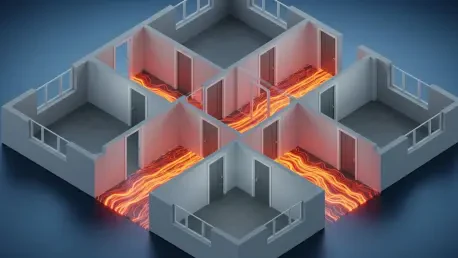
Investigation into the aftermath of the Manhattan blaze revealed a stark disparity in damage levels that directly correlated with the positioning of interior doors during the evacuation. Units where residents managed to close the doors behind them while fleeing sustained remarkably minimal structural and smoke damage compared to those left open. This physical barrier acted as a temporary shield, starving the fire of the oxygen required for rapid combustion while simultaneously preventing toxic smoke from inundating living quarters. Fire officials emphasized that an open door essentially creates a chimney effect, drawing heat and fumes into new areas and accelerating the destruction of the property. The difference between a survivable environment and a total loss often came down to this simple mechanical action. Consequently, the public safety narrative has shifted to prioritize the “close before you doze” and “close while you go” protocols, as these actions buy precious minutes for specialized rescue teams to reach those who remain stranded on the upper floors of high-density housing units. This observation underscores the importance of compartmentalization in fire dynamics, where a simple piece of wood or metal can effectively isolate a hazard.
Strategic Evacuation and Future Safety Protocols
The tragic events in Inwood demonstrated that fire safety education required a more rigorous focus on immediate containment actions during high-stress scenarios. Moving forward from 2026, building managers and safety advocates prioritized the installation of self-closing door mechanisms in multi-family dwellings to mitigate human error during panicked exits. Educational campaigns shifted toward clear, actionable instructions that urged residents to prioritize door closure as a fundamental part of their emergency escape plan. Experts recommended that families conduct regular drills where closing internal and external doors became a reflexive habit. Furthermore, the integration of advanced smoke detection systems that triggered automatic magnetic door holders emerged as a standard recommendation for modernizing older infrastructure. These technical and behavioral adjustments aimed to provide occupants with a greater margin of safety during the critical first minutes of an emergency. By treating every door as a potential life-saving tool, the community moved toward a more resilient approach to urban fire safety, ensuring that the hard-learned lessons of the past informed the protective measures of the future. The emphasis was placed on the fact that while technology assists, individual action remained the most effective defense against the spread of fire.