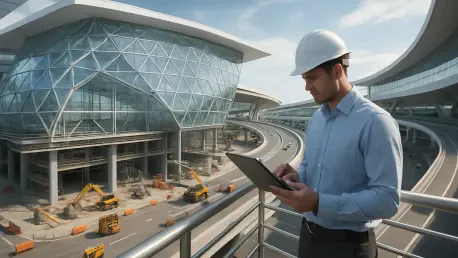

The transformation of Norfolk International Airport represents a critical pivot point for a regional hub that has largely remained anchored in design philosophies established over fifty years ago. Since its last major structural overhaul in 1974, the facility has struggled to keep pace with the rapid technological and logistical shifts defining modern aviation. The current “TransformORF” initiative, a billion-dollar program, serves as an ambitious blueprint to modernize this gateway, which acts as the primary lifeline for five million annual travelers across coastal Virginia and northeastern North Carolina.
Industry observers note that the significance of this upgrade extends far beyond mere cosmetic improvements. By bridging the massive gap between aging 1970s infrastructure and the rigorous demands of the 21st century, the airport aims to move from a state of functional obsolescence toward a model of high-efficiency regional transit. This investment signals a commitment to long-term viability, ensuring that the facility remains a competitive player in a landscape where passenger expectations for technology and comfort are higher than ever before.
Reimagining a 1970s Hub for the Modern Traveler
For decades, Norfolk International Airport operated within the constraints of a terminal design that prioritized the lower traffic volumes of a previous era. The “TransformORF” program represents the first comprehensive effort to dismantle these limitations, focusing on a holistic overhaul of the passenger journey. From expanded gate capacity to streamlined security, the program addresses the fundamental disconnect between a mid-century layout and the high-density requirements of contemporary airlines.
The evolution of the airport is particularly vital given its role as a regional connector. As the population in the surrounding coastal areas continues to grow, the demand for reliable and modern air travel has outstripped the capacity of the original 1974 design. This billion-dollar investment is intended to rectify these shortcomings, creating a facility that can handle increased passenger throughput without compromising the ease of movement that regional travelers have come to expect.
Engineering a Regional Powerhouse through Strategic Expansion
Boosting Throughput via the Concourse A Expansion
The recent completion of the 19,000-square-foot expansion of Concourse A serves as a tangible milestone in the airport’s growth strategy. By adding Gates A10 through A12, the facility has immediately enhanced its ability to manage higher passenger volumes during peak hours. These new spaces provide much-needed breathing room, offering expansive seating and floor-to-ceiling views that replace the cramped, windowless environments typical of older terminal sections.
Major carriers like American Airlines and Breeze Airways have already begun utilizing these gates, validating the airport’s decision to prioritize capacity expansion. However, executing such a large-scale construction project within an active terminal presents significant logistical hurdles. Balancing the noise and dust of construction with the daily needs of thousands of travelers requires a meticulously planned phased approach, ensuring that the friction of development does not alienate the very passengers the airport seeks to attract.
Modernizing Infrastructure to Meet Global Standards
A central component of the modernization effort is the new $31 million Federal Inspection Services facility, which significantly upgrades the airport’s ability to process international arrivals. This addition, supported by substantial federal funding, allows for more efficient customs and immigration procedures, effectively removing a major bottleneck for global connectivity. The facility reflects a move toward international standards, enabling Norfolk to handle a wider variety of flight origins with greater professional precision.
The success of these updates relies heavily on the collaboration between prominent construction firms like J.E. Dunn and Hourigan. These partnerships are essential for synchronizing complex terminal updates with roadway realignments and other landside improvements. Nevertheless, the project faces the inherent risks of large-scale capital investments, particularly as fluctuating construction costs and federal budget shifts can impact the pace of delivery. Maintaining a steady flow of resources remains a top priority for airport leadership.
Navigating the Logistics of Multi-Phase Aviation Development
The shift toward a consolidated rental car facility and improved parking administration signals a move from “utility-first” design to an “experience-first” philosophy. Historically, airport parking and car rentals in Norfolk were fragmented, leading to confusion and delays for arriving passengers. By centralizing these services, the airport mirrors national trends seen in cities like Tampa and Sacramento, where the goal is to create a seamless transition from the aircraft to the final destination.
Despite these physical improvements, some critics argue that infrastructure growth alone does not guarantee a surge in airline interest. Increased gate capacity must be met with strong regional economic incentives to convince carriers to launch new routes. The airport’s leadership must therefore work in tandem with local business sectors to ensure that the physical expansion of the terminal is matched by a growing demand for air travel in the coastal Virginia market.
Economic Vitality and the Competition for Air Connectivity
Improved transportation infrastructure often acts as a primary catalyst for economic development in surrounding regions. For northeastern North Carolina and Virginia, a modernized airport translates to better access for corporate travelers and tourists alike. The presence of state-of-the-art customs and boarding facilities makes the region more attractive to international businesses, potentially leading to new job creation and increased tax revenue for the local municipalities.
Mid-sized regional hubs face an ongoing challenge to innovate in the shadow of larger international gateways. To remain relevant, airports like Norfolk must offer a level of convenience and modern amenity that Tier-1 hubs often lack due to their sheer size and congestion. By investing in high-end gate experiences and streamlined logistics, Norfolk positions itself as a more attractive, less stressful alternative for travelers who value efficiency over the scale of a massive metropolitan airport.
Strategic Blueprints for Future-Proofing Regional Aviation
Integrating customs, gate capacity, and landside logistics into a singular vision was a strategic necessity for Norfolk. This comprehensive approach ensured that improvements in one area were not negated by bottlenecks in another. By aligning landside developments, such as roadway realignments, with airside gate expansions, the project created a balanced ecosystem where the throughput of vehicles and aircraft remained synchronized.
For other regional planners, the Norfolk model highlighted the importance of phased infrastructure projects to minimize passenger fatigue. Long-term renovations can often lead to a decline in customer satisfaction if not managed with clear communication and temporary amenities. Best practices now suggest that keeping the public informed and maintaining high standards of cleanliness during construction are just as important as the final architectural result in maintaining brand loyalty.
The Verdict on Norfolk’s High-Stakes Aviation Investment
The “TransformORF” program addressed the long-standing necessity of maintaining service standards within a fiercely competitive travel landscape. By committing to this billion-dollar gamble, the region secured its position as a modern transit hub capable of supporting future growth. The project moved the facility away from its 1974 limitations, establishing a foundation that improved accessibility and heightened the commercial appeal of coastal Virginia for years to come.
Regional planners realized that physical expansion successfully redefined the identity of the legacy airport. To maintain this momentum, stakeholders prioritized the integration of airport growth with broader city transit goals, ensuring that the terminal remained a centerpiece of regional mobility. These steps provided a clear pathway for future route expansions and sustained economic vitality, proving that strategic infrastructure investment was the most effective tool for regional advancement.