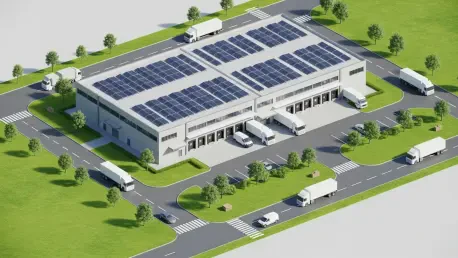

The quiet landscape of Gorham, Maine, currently stands as the focal point of an intense debate regarding industrial expansion versus community preservation. Amazon is currently seeking municipal approval to construct a 146,280-square-foot distribution warehouse, a project that signals a major shift in the local economic environment. This initiative is part of a broader regional strategy that includes proposed facilities in Hermon, Calais, and the Waterville area, marking a significant push for logistics dominance in Northern New England. Having purchased a 94-acre tract off Main Street for a sum of $4 million, the company intends to develop roughly 30 acres of the site to facilitate rapid sorting and delivery operations. This specific facility is designed to function as an organization center where goods arriving from Massachusetts and Connecticut via tractor-trailer are sorted for final delivery through third-party carriers like FedEx and the United States Postal Service.
Strategic Growth and Regional Economic Impact
The project, spearheaded by the developer Bluewater Property Group and the engineering firm Sebago Technics, represents a $20 million investment that is expected to generate approximately 170 new jobs. For many proponents, this development is viewed as a vital expansion of the commercial tax base, offering a solution to the rising financial pressures faced by the municipality. As Gorham’s population continues to grow throughout 2026 and into 2027, the demand for public services like schools and infrastructure maintenance has surged, placing a heavy burden on residential property owners. Industrial projects of this scale are often seen as a necessary trade-off to diversify revenue streams and ensure the long-term sustainability of local government budgets. Residents like Katherine Garrard have emphasized that the town must embrace these opportunities to remain fiscally sound while accommodating the inevitable growth of the suburban population in southern Maine.
Beyond the immediate fiscal benefits, the proposed warehouse represents a sophisticated evolution of regional logistics networks designed to meet the increasing consumer demand for rapid delivery services. By positioning this organization center strategically in Gorham, the company aims to streamline the flow of inventory from larger distribution hubs in Southern New England directly into the Maine market. This facility will act as a critical waypoint, where large-scale shipments are broken down into smaller, manageable loads for final-mile delivery. The investment also includes substantial improvements to the immediate site infrastructure, which proponents argue will modernize the local industrial zone and attract further technological investments in the coming years. This shift reflects a broader trend in suburban planning where industrial zones are repurposed to support the digital economy, bridging the gap between traditional retail models and the modern requirements of global e-commerce systems.
Community Resistance and Environmental Considerations
Despite the promised economic gains, many local residents have voiced strong opposition, focusing on the potential negative externalities associated with a massive 24/7 industrial operation. The primary concerns revolve around the inevitable increase in traffic congestion, as hundreds of tractor-trailers and delivery vans are expected to traverse local roads daily. Residents have also expressed anxiety regarding noise and light pollution, which they believe will disrupt the quiet, rural character of the neighborhoods surrounding the Main Street site. Beyond the immediate physical impacts, skeptics have raised pointed questions regarding corporate accountability and the long-term quality of the jobs being created. Some community members pointed to current labor statistics, arguing that the average hourly wages provided by such facilities are often insufficient to meet the rising cost of living in the region. This skepticism is further fueled by legal disputes in other states, causing some to doubt.
As the project moved through the necessary regulatory channels, the local planning board and environmental agencies carefully weighed the competing interests of industrial growth and residential peace. The Maine Department of Environmental Protection and the Army Corps of Engineers already accepted the development permits, while the Maine Department of Transportation scheduled a hearing for June to address the infrastructure concerns. To ensure a balanced outcome, local leaders focused on implementing strict zoning requirements and mitigation strategies that protected the environment while allowing for commercial expansion. Future considerations included the integration of green buffer zones and noise-reduction technologies to minimize the footprint of the facility on neighboring properties. By fostering a transparent dialogue between the developer and the public, the town established a framework for responsible development that could serve as a model for other Maine communities facing similar choices.