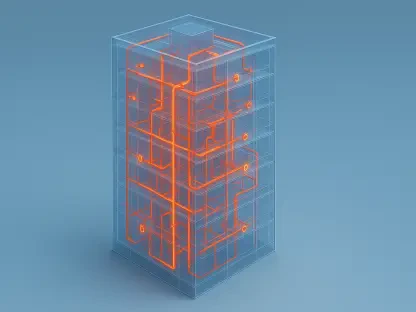

The silent decay of residential infrastructure often remains invisible until a catastrophic failure occurs, forcing homeowners into a frantic cycle of expensive emergency repairs and significant financial strain. This reactive approach, long considered the standard for property management, is undergoing a profound transformation as artificial intelligence and the Internet of Things converge to create a proactive maintenance framework. In premium markets like Vancouver, where real estate valuations reach record highs and labor costs continue to climb, the shift toward a data-driven ecosystem is no longer merely a luxury for the tech-savvy but a financial imperative for asset preservation. By integrating sophisticated hardware with advanced machine learning, modern dwellings are transitioning from passive structures into active participants in their own upkeep, providing a level of oversight that was previously unattainable through manual inspection alone. This evolution is redefining the relationship between homeowners and their properties, as constant digital monitoring replaces the traditional “break-fix” cycle with a seamless flow of predictive care and operational efficiency. The result is a more resilient housing stock that effectively monitors its own health, alerting residents to potential issues long before they escalate into structural crises or major financial liabilities.
Constraints of Traditional Property Upkeep
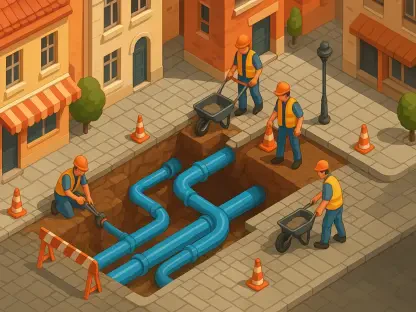
For several decades, the process of maintaining a home relied almost exclusively on the visual observations of the occupant, a method that is inherently flawed due to the hidden nature of most structural and mechanical issues. If a pipe developed a slow leak behind a drywall partition or a furnace motor began to struggle under a heavy load, these symptoms often went unnoticed until the systems completely failed. This traditional model typically results in a delayed response where the initial problem has already caused secondary damage, such as mold growth, water saturation in flooring, or severe electrical hazards. The logistical burden of these failures often leads to a chaotic scramble for service providers who may not be immediately available, resulting in prolonged periods of discomfort and escalating repair costs that could have been avoided through earlier intervention. Consequently, the lack of transparency in a building’s internal systems creates a high-risk environment where the most expensive assets in a person’s portfolio are managed through guesswork rather than precise diagnostics or systematic oversight.
Beyond the physical damage, the reactive model imposes a significant psychological and financial burden on homeowners who must navigate the unpredictability of mechanical failure. Manual inspections are frequently subjective, relying on the individual expertise and tools of a specific technician, which can lead to inconsistent diagnoses or temporary patches rather than permanent solutions. Furthermore, the economic reality of emergency repairs is often punishing, as urgent calls frequently incur premium labor rates, higher costs for expedited parts, and the loss of productivity for the resident who must supervise the work. This inherent inefficiency has created a growing demand for a more structured and predictable approach to home management, one that leverages technology to eliminate the guesswork and stress associated with traditional residential maintenance schedules and unexpected breakdowns. By shifting the focus from repair to prevention, homeowners can stabilize their budgets and ensure that their properties remain safe and functional without the constant anxiety of impending, invisible failures within the walls of their residence.
Technological Foundations of Predictive Systems
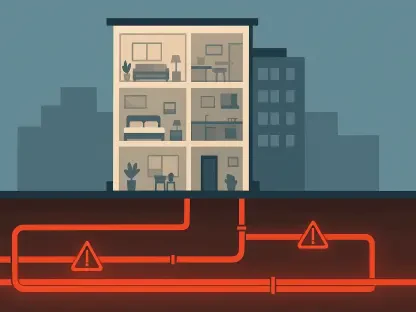
The current technological revolution in home maintenance is grounded in the deployment of high-fidelity sensor networks that act as the eyes and ears of a building. These IoT devices are now capable of monitoring a vast array of metrics, including water flow rates, electrical voltage stability, acoustic signatures of mechanical components, and environmental humidity levels. By gathering this data in real-time, artificial intelligence systems can establish a baseline of normal operation for a specific household, allowing for the immediate identification of anomalies that would be indistinguishable to the human observer. For instance, an AI-driven water monitor can differentiate between the high usage of a washing machine and the subtle, constant pressure loss that indicates a pinhole leak in the plumbing. This level of granularity ensures that maintenance activities are directed by objective data rather than arbitrary time intervals or visual evidence of damage, allowing for a surgical approach to repairs that targets specific faults before they compromise the broader integrity of the household.
Moving beyond simple alerts, the integration of predictive algorithms allows for a shift toward condition-based maintenance, where the timing of service is dictated by the actual wear and tear on a system. By analyzing historical performance data and current environmental factors, these algorithms can forecast the remaining useful life of major components like HVAC units or water heaters with remarkable accuracy. This transition ensures that resources are allocated efficiently, preventing homeowners from replacing functional parts prematurely while simultaneously guaranteeing that critical updates are performed before a failure occurs. In volatile climates where seasonal changes place intense stress on home systems, this predictive capability provides a layer of resilience that stabilizes maintenance costs and protects the long-term structural integrity of the property through precisely timed interventions and optimized performance tuning. As these systems become more integrated, the data they produce becomes a valuable asset in itself, providing a comprehensive “health record” of the home that can be used to plan future upgrades or verify the quality of past maintenance work.
Strategic Integration in Urban Real Estate
The benefits of an AI-driven maintenance ecosystem extend significantly into the professional service sector, where logistics and technician deployment are being optimized through intelligent platforms. Service companies now utilize specialized software that matches the complexity of a diagnosed issue with the specific certifications and experience level of a technician, ensuring that the right professional arrives on-site with the necessary parts and knowledge. This system drastically reduces the need for multiple diagnostic visits and shortens the overall repair time, which is beneficial for both the service provider and the resident. Additionally, AI handles the scheduling of routine tasks to minimize travel distances and fuel consumption, contributing to a more sustainable operational model that lowers the carbon footprint of the local repair industry while improving response times across the urban landscape. This streamlined approach to logistics ensures that the limited pool of skilled labor is utilized as effectively as possible, addressing the persistent labor shortages that often plague the home service industry in major metropolitan areas.
Within high-density real estate markets, particularly in urban centers like Vancouver, the adoption of smart maintenance technology serves as a critical component of property valuation and financial planning. The high cost of entry for housing in these regions makes the preservation of the asset a top priority, and a documented history of proactive, AI-monitored care provides tangible proof of a home’s condition to potential buyers. Real estate professionals are increasingly seeing homes with integrated maintenance hubs command higher prices, as these systems mitigate the risks associated with hidden defects and deferred maintenance. The economic ripple effects also include lower insurance premiums in some cases, as the reduced risk of catastrophic water or fire damage makes the property a safer bet for underwriters. Consequently, the initial investment in smart sensors and subscriptions is viewed as a form of “equity insurance” that yields dividends in both immediate savings and long-term resale value, making it an essential strategy for homeowners looking to protect their most significant financial investment in a competitive and high-stakes market.
Adoption Barriers and the Path Forward
Despite the clear operational and financial advantages, the transition to a fully automated maintenance environment faces several logistical and social challenges that must be addressed for wider adoption. The upfront costs of hardware installation and the ongoing expense of software subscriptions can be a barrier for some homeowners, particularly those in older properties that require extensive retrofitting to support a modern sensor network. Furthermore, the collection of detailed operational data raises valid concerns regarding privacy and cybersecurity, as the interconnected nature of these devices creates potential vulnerabilities that must be guarded with robust encryption and transparent data governance policies. There is also a notable skill gap among traditional tradespeople, who are now tasked with mastering both physical craftsmanship and digital diagnostic tools, requiring a new standard of professional training and technological literacy within the construction and repair industries. Addressing these barriers will require a collaborative effort between technology developers, policymakers, and service organizations to create standardized protocols and more accessible entry points for consumers.
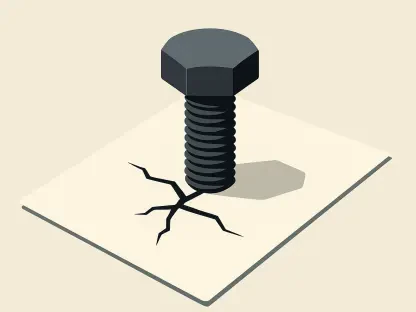
Looking toward the next phase of residential innovation, the horizon of home stewardship is defined by the emergence of robotics and total system integration. While current AI focuses on diagnostics and scheduling, the next phase will likely involve specialized robotic units capable of performing routine physical tasks, such as cleaning gutters, inspecting crawlspaces, or even conducting minor repairs in hard-to-reach areas. Building materials themselves are evolving to incorporate self-healing properties, such as concrete that can seal its own cracks or pipes that signal their own degradation before they fail. Eventually, the role of the homeowner will shift from manager to overseer, as virtual assistants manage the entire lifecycle of the home—automatically negotiating service contracts, scheduling repairs based on market rates, and ensuring the property remains in peak condition with minimal human input. This trajectory points toward a future where the physical environment is seamlessly managed by an invisible layer of intelligence, creating a truly autonomous living experience that prioritizes safety, efficiency, and the long-term health of the built environment.
Transitioning toward Intelligent Property Stewardship
The movement toward an intelligent property management framework represents a fundamental change in how the concept of “home” is understood, moving from a static asset to a dynamic, self-regulating system. As urban environments become more complex and the pressures of environmental changes and economic volatility increase, the ability of a home to monitor itself and predict its own needs becomes an essential feature of modern life. This integration of technology and architecture fosters a sense of security and reliability that was previously impossible, allowing residents to focus on their lives rather than the maintenance of their surroundings. By turning data into actionable insights, homeowners are empowered to make smarter financial decisions and contribute to the overall sustainability of their communities by reducing waste and preventing the premature disposal of mechanical systems through better care and precise intervention. This shift in mindset transforms the role of the property owner from a reactive fire-fighter into a strategic steward of a sophisticated technological asset, ensuring that the home remains a stable sanctuary for generations to come.
The adoption of proactive maintenance strategies proved to be a decisive step in modernizing the residential sector, as the reliance on old-world reactive models was successfully phased out. Stakeholders within the industry recognized that the path forward required a commitment to technological literacy and the implementation of robust security protocols to protect the digital integrity of the home. Moving forward, homeowners were encouraged to conduct an audit of their existing systems to identify high-risk areas—such as aging plumbing or outdated electrical panels—and begin the incremental installation of smart sensors. It was also determined that selecting service providers who utilize AI-driven diagnostic platforms ensured the highest quality of care and long-term reliability. By prioritizing these innovations, the community established a new standard for property stewardship that prioritized prevention, efficiency, and the long-term preservation of residential wealth and safety. Through these deliberate steps, the housing market transitioned into an era where predictive care became the baseline, ensuring that the complexity of modern homeownership was managed with precision and foresight.