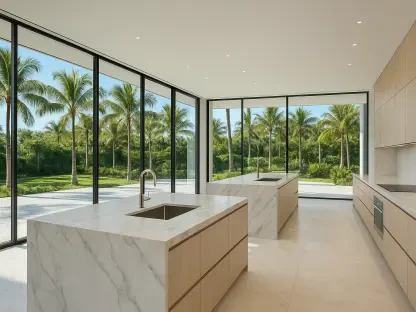

The cinematic kitchen with a sprawling marble island and the perfect bowl of lemons has transcended the silver screen to become a foundational blueprint for modern residential interior design in 2026. This specific aesthetic, widely attributed to the directorial vision of Nancy Meyers, represents more than just a collection of expensive furniture; it serves as a cultural signifier of emotional stability and refined domesticity. For many homeowners, the goal is to capture that elusive sense of Hamptons sophistication that remains grounded in everyday comfort rather than cold, museum-like perfection. By understanding the core tenets of this design philosophy, which emphasizes light-filled spaces and high-quality textures, individuals can transform their living environments into sanctuaries that feel both aspirational and accessible. This approach to home styling relies on a delicate balance between luxury and lived-in authenticity, proving that a sophisticated atmosphere does not always require a professional decorator.
Elements of Lived-In Luxury
Mastering the Art of Slipcovers and Layering: A Design Foundation
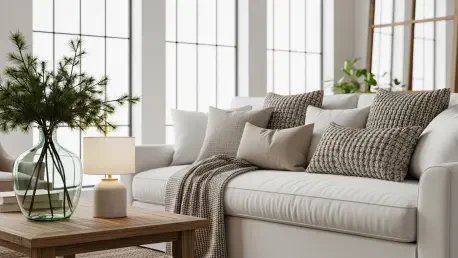
One of the primary technical cornerstones of this specific interior style is the strategic use of slipcovered furniture to replace rigid or overly formal upholstery options. Moving away from stiff, structured pieces, slipcovers invite a more relaxed lifestyle where the home remains welcoming to guests, pets, and children while maintaining an exceptionally high-quality appearance. White or cream-colored fabrics are typically prioritized to provide a sense of luxury that feels clean yet fundamentally approachable for daily use. These covers are not merely functional additions; they are deliberate design choices that signal a lack of pretension in a high-end environment. By choosing durable materials like heavy linen or cotton denim, homeowners can achieve a look that suggests wealth without the anxiety of damaging a showroom piece. This design choice effectively bridges the gap between the pristine images seen in films and the practical requirements of a busy, modern household in 2026.
Beyond the furniture itself, the essential component of this aesthetic involves strategic layering through the use of various textiles like woven rugs, oversized throw pillows, and soft blankets. This nuanced approach creates a sense of depth and warmth within a room, suggesting a long history of curated collecting rather than a set of items purchased simultaneously from a single retail store. These elements work in harmony to create an environment that values emotional resonance and physical comfort over cold, formal architecture or stark minimalism. By mixing different textures such as chunky knits, smooth silks, and rustic wools, the space gains a tactile quality that invites relaxation and social interaction. Each layer acts as a narrative thread, building a story of a home that has been lived in and loved over time. This layering technique is vital for softening the edges of large living areas, making them feel intimate and grounded despite their expansive floor plans.
Cultivating Depth through Textures and Curated Objects: The Finished Look
To achieve the full cinematic effect, it is necessary to integrate a variety of curated objects that reflect personal interests and a sophisticated worldview. This might include stacks of art books, antique silver trays, or oversized glass vases filled with seasonal greenery, all of which contribute to a sense of abundance and thoughtfulness. The goal is to avoid a cluttered appearance while ensuring that every surface has been considered and styled to evoke a feeling of peace and order. In 2026, the trend has shifted toward artisanal pieces that highlight craftsmanship and natural materials, such as hand-turned wooden bowls or ceramic lamps with organic shapes. These items serve as focal points that draw the eye and provide visual interest across different levels of the room. When these objects are placed with intention, they reinforce the idea that the home is a gallery of one’s life, carefully assembled to provide beauty and a sense of belonging for everyone who enters.
Lighting also plays a critical role in defining the atmosphere, moving beyond simple utility to become a central design feature that enhances the overall mood of the home. The Meyers aesthetic favors multiple light sources, including floor lamps with pleated shades, small accent lamps on bookshelves, and large windows that maximize the presence of natural sunlight. This tiered lighting strategy eliminates harsh shadows and creates a glow that mimics the golden hour seen in classic films, making the interior feel warm and inviting at any time of day. In 2026, homeowners are increasingly utilizing smart lighting systems to subtly adjust color temperatures to match the natural circadian rhythm, further enhancing the comfort levels of the living environment. By focusing on the interplay between light and shadow, the design achieves a soft-focus quality that makes even a standard suburban home feel like a coastal retreat. This attention to detail ensures that the aesthetic is an immersive environment.
Media Consumption and the Lifestyle Ecosystem
The Influence of Celebrity Magazines: Bridging Hollywood and Home
The pursuit of this sophisticated aesthetic is intrinsically tied to a media ecosystem that includes celebrity-centric publications such as US Weekly, In Touch Weekly, and Life and Style. These magazines act as a vital bridge between the exclusive world of Hollywood glamour and the suburban home, disseminating high-end design trends to a remarkably broad audience. They provide the essential visual inspiration necessary for readers to translate complex lifestyle trends into their own living spaces through accessible imagery and editorial advice. By showcasing the private residences of film stars and directors, these publications demystify the elements of luxury living and make them feel attainable for the average consumer. In 2026, these media outlets continue to serve as a primary source of information for those looking to stay current with evolving interior styles. The constant flow of celebrity lifestyle content ensures that the public remains engaged with the specific visual language of comfort and wealth.
Furthermore, the way consumers interact with this media has evolved to include a more analytical approach to celebrity living, where readers look for specific brands and design patterns to replicate. This visual literacy allows individuals to identify high-low decorating opportunities, finding budget-friendly versions of the expensive items featured in glossy magazine spreads. The editorial focus often highlights specific rooms, such as the grand kitchens or airy bedrooms, which are central to the cinematic lifestyle being promoted. This constant exposure to curated domesticity reinforces the desire for a home that serves as a backdrop for a well-lived life, similar to the characters in a popular film. As people consume this content, they are not just looking at pictures; they are absorbing a philosophy of home management that prioritizes aesthetics as a form of self-care. This connection between media consumption and interior design creates a feedback loop for many modern homes.
Strategy for Achieving High-End Style on a Budget: Practical Solutions
Homeowners in 2026 often utilize service-oriented publications like Woman’s World and First For Women, which focus on practical advice and budget-friendly lifestyle hacks for the modern interior. These titles cater specifically to the look for less segment of the design trend, offering quick tips for those who want the sophisticated feel of a coastal estate without the associated designer price tag. This variety in the publication landscape ensures that aspirational design remains accessible to a wide range of demographics and financial backgrounds. By following these guides, individuals can learn how to refurbish existing furniture with fresh paint or find high-quality textiles at discount retailers. These resources emphasize that the cinematic home is not about the total cost of the items, but about the thoughtfulness of the arrangement and the comfort of the environment. This democratization of luxury allows every homeowner to participate in the trend of creating a peaceful domestic sanctuary.
Homeowners successfully bridged the gap between their daily reality and a cinematic dream by combining specific decor choices with curated media inspiration throughout the year. The market effectively supported these efforts through editorial content that focused on practical solutions and accessible lifestyle upgrades. These strategies ensured that the refined feel of high-end real estate was translated into functional living spaces that prioritized emotional well-being and domestic harmony. Ultimately, the adoption of these design philosophies reflected a broader cultural consensus that a beautiful and peaceful home should be affordable and deeply personal for its inhabitants. To maintain this success, the most effective approach involved investing in durable, high-quality textiles that withstood the rigors of daily life while providing a sense of timeless elegance. This collective movement toward lived-in luxury proved that sophisticated aesthetics could be achieved through careful planning and a consistent engagement with design media.